There is a version of the 1990s that belongs entirely to Umbro. Not to Nike, not to Adidas, not to any of the continental brands that dominated the decade elsewhere. In England, on the pitches that mattered most, the double diamond was everywhere.
Founded in Cheshire, built on football
Umbro was founded in 1920 by Harold Humphreys in Wilmslow, Cheshire. The name collapsed Humphreys Brothers into two syllables. The company made football kits before making anything else, and that focus never really changed. By the 1950s Umbro was supplying clubs across the English Football League and had begun equipping national sides.
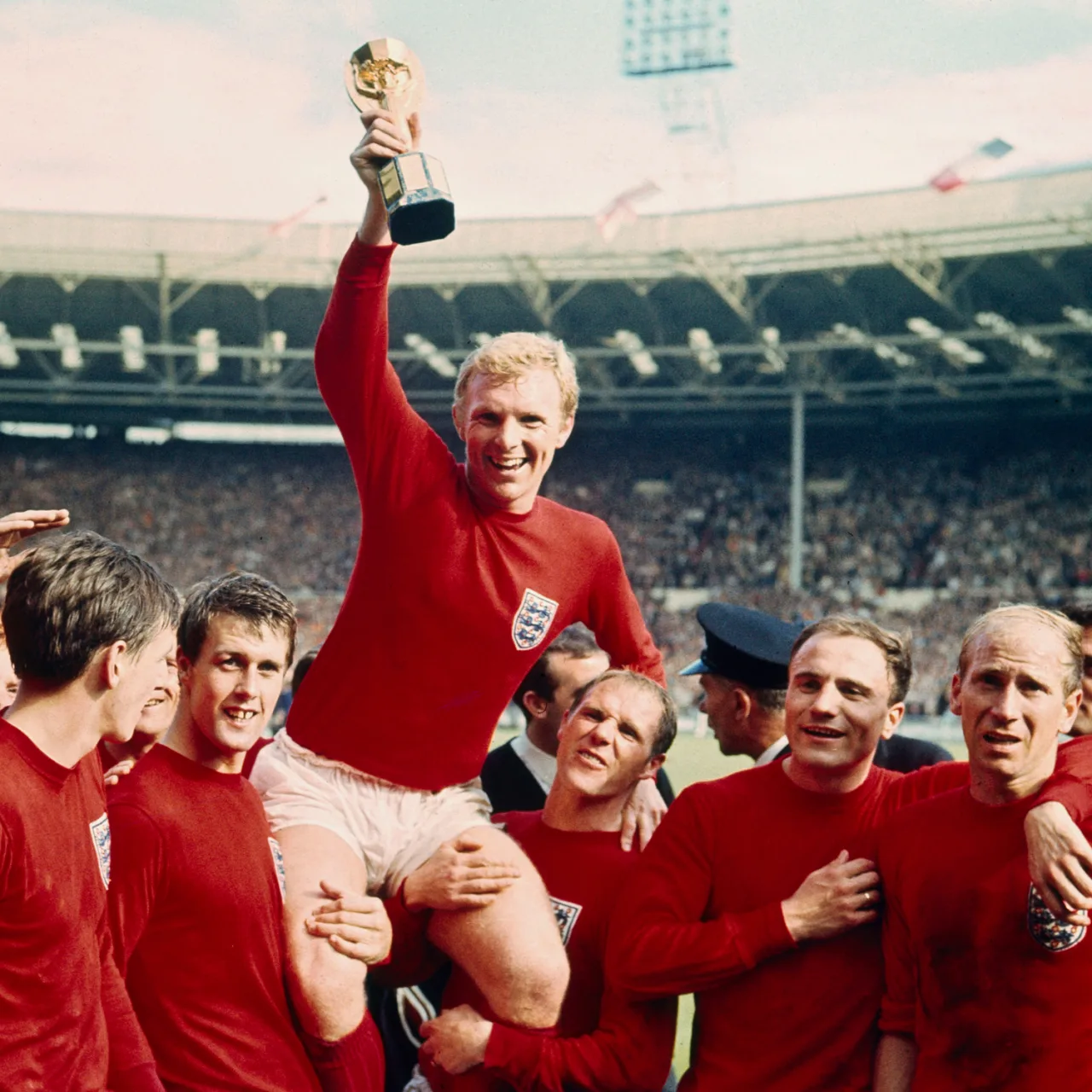
The relationship with the England national team became the brand's defining commercial association. Umbro dressed England at the 1966 World Cup on home soil. The white shirt Bobby Moore lifted the trophy in was an Umbro garment. That moment anchored the brand to English football history in a way that no subsequent deal could replicate.
The Premier League era arrives
The formation of the Premier League in 1992 changed the commercial logic of football kits permanently. Clubs could now sell replica shirts at scale, and shirt design became a marketing exercise as much as a practical one. Umbro was positioned perfectly. They already held the contracts for some of the most supported clubs in England, and their design teams understood that the new retail market rewarded shirts that worked as much off the pitch as on it.
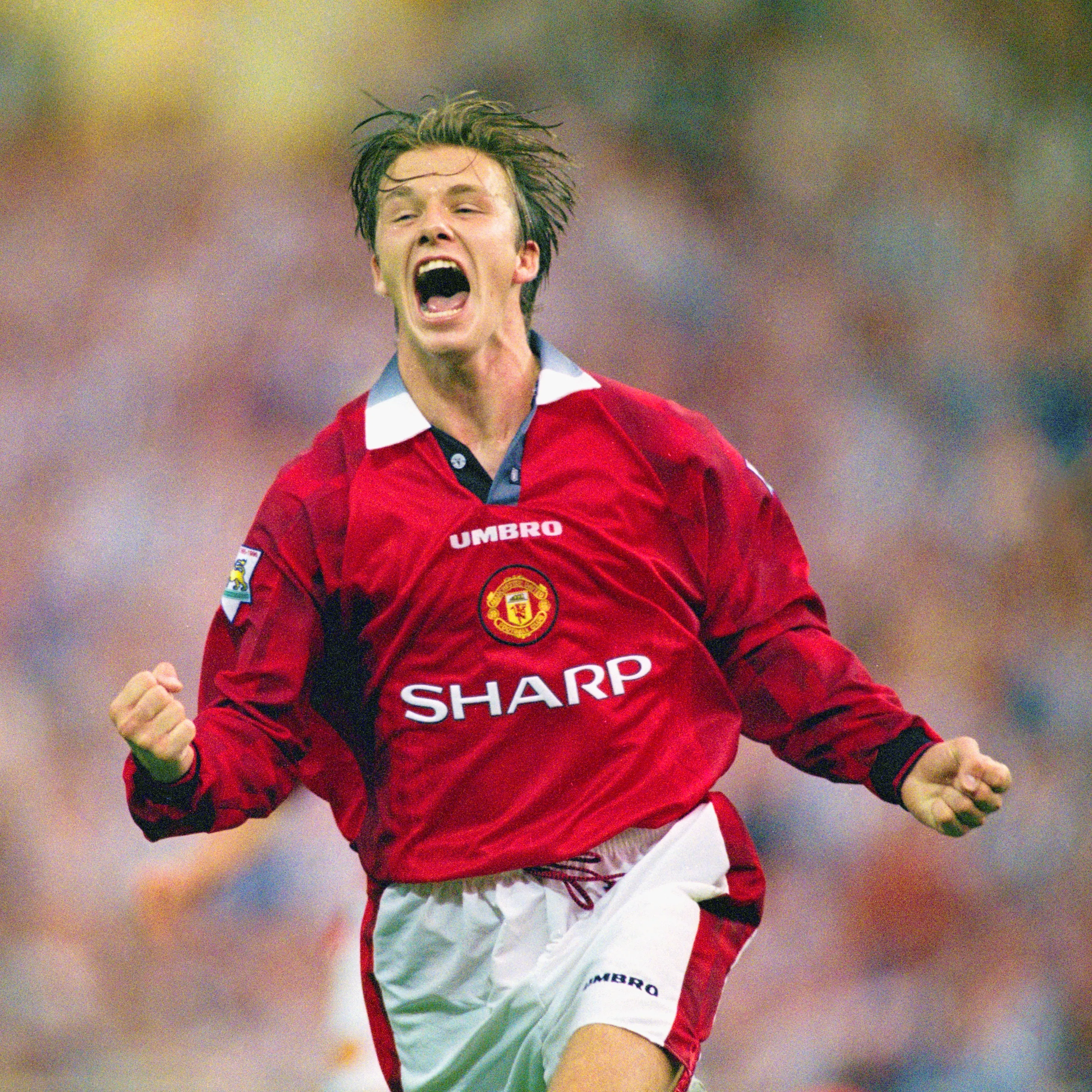
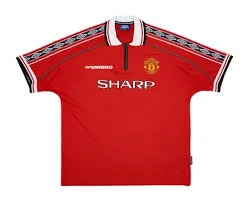
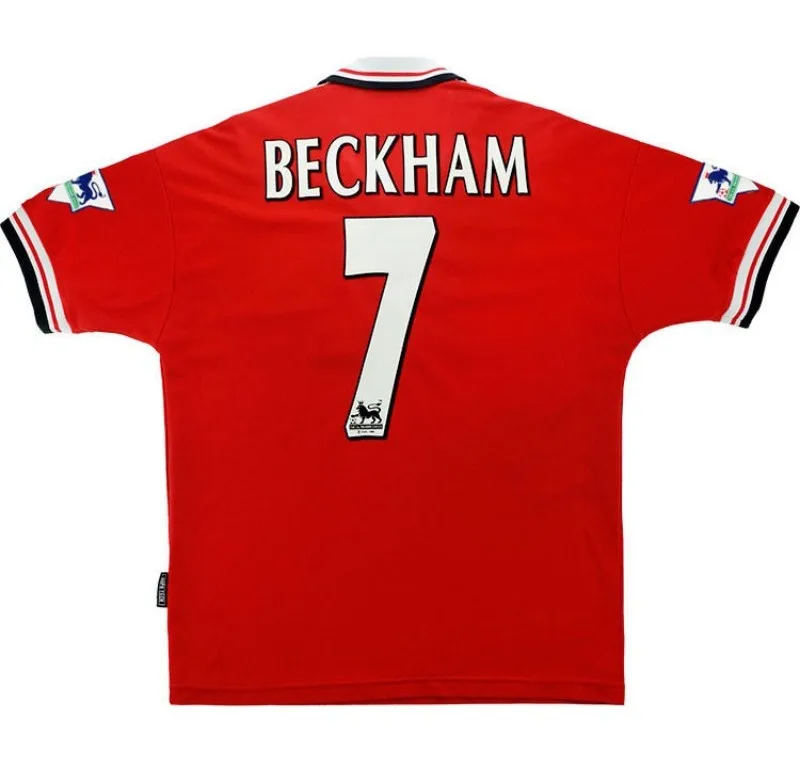
Manchester United wore Umbro through the core of their dominant 1990s period. The 1992-93 home kit was the first shirt worn in the Premier League era, a classic red with a broad Umbro collar and Sharp sponsor. The 1993-94 FA Cup Final shirt followed in a double-winning season. The 1994-95 home kit and the 1995-96 home kit, worn during the Double under Eric Cantona and Peter Schmeichel, are among the most recognised shirts of the decade.
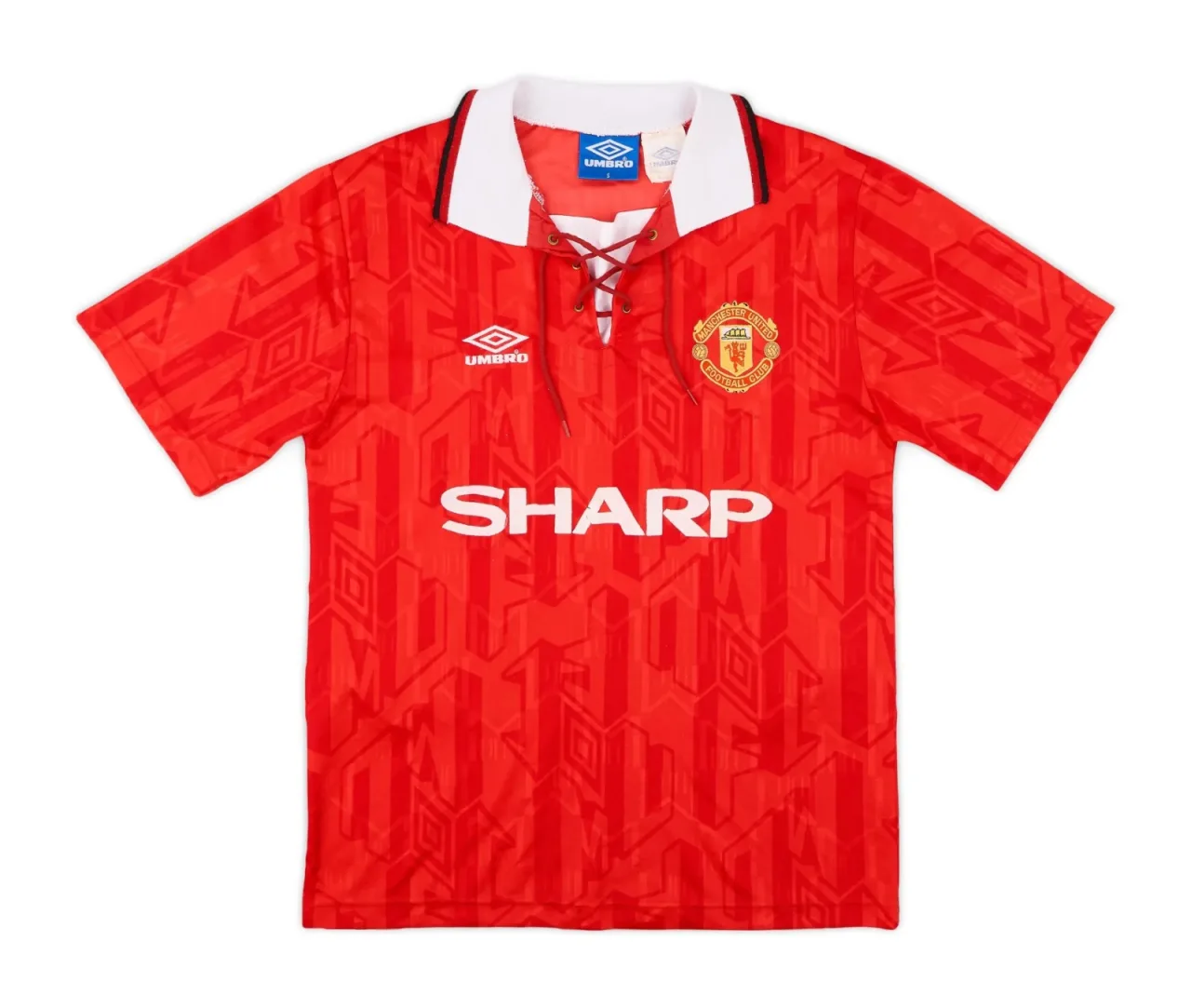
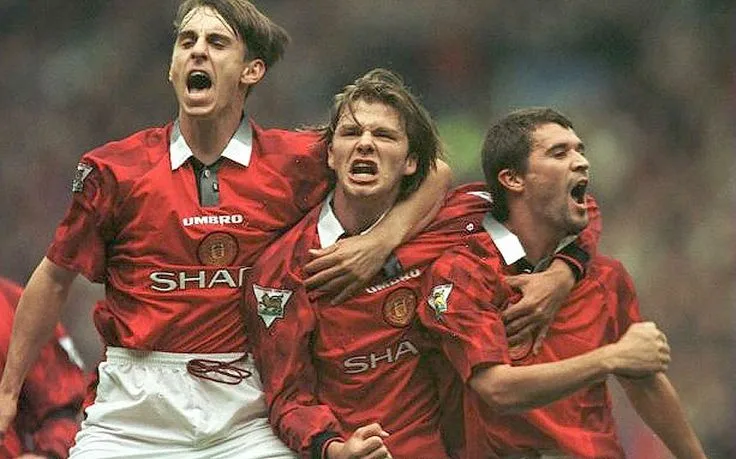
The contrast between the clean traditional home shirt and the increasingly experimental away and third kits of that period reflects exactly what the brand was doing: holding the classic line while taking risks in secondary colours. The grey away of 1995-96, famously substituted at half-time against Southampton, has become an object of fascination in its own right.
West Ham United's Umbro shirts from the early and mid-1990s have become among the most sought-after in the collector market. The claret and blue combinations from that era, with generous cuts, woven badges and heavy cotton blends with synthetic panels, represent a manufacturing standard that the market has never fully returned to.
Euro 96 and the grey shirt
The 1996 European Championship, hosted in England, produced the most discussed away kit in the tournament's history. England's grey away shirt, worn in the group stage, became the subject of a story that has hardened into mythology: that manager Terry Venables withdrew the shirt at half-time because the players could not pick each other out against the crowd.
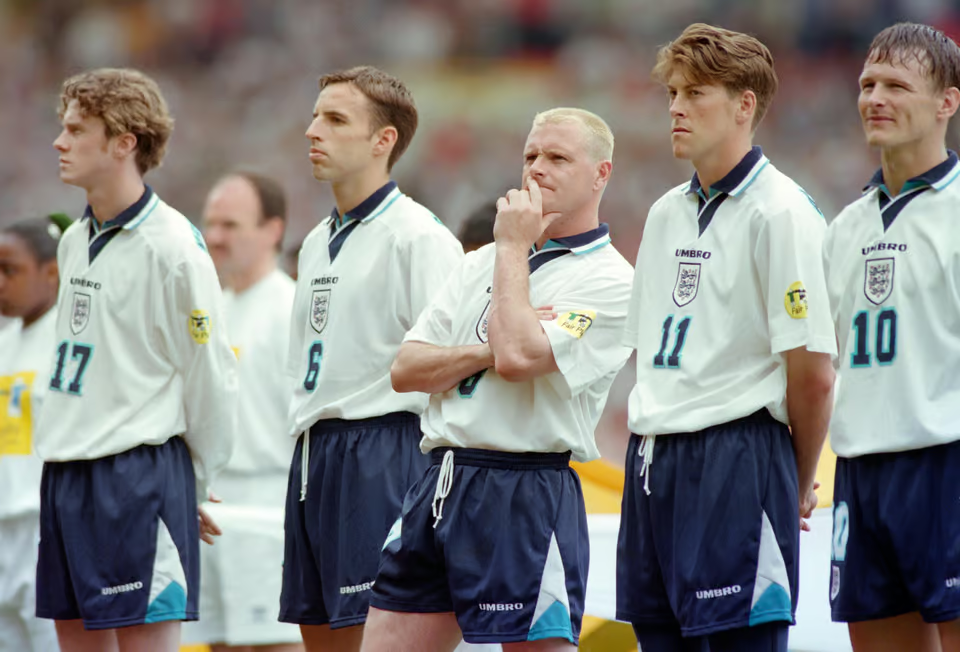
Whether or not that account is entirely accurate, the shirt itself became an object. The silvery grey colour, the tonal Umbro branding, the relatively plain design. It stands apart from almost everything worn at major tournaments in that decade. Collectors have continued to value it precisely because of its brevity. It appeared in one tournament, was associated with a famous defeat, and was never worn again.
The home white shirt from the same tournament is the other half of that story. England played their home fixtures at Wembley in a shirt that balanced the traditional broad collar and pin-striped detailing with Umbro's mid-decade template. Shearer, Sheringham, Gascoigne. The penalty shootout exit against Germany. The shirt carries the weight of what England came closest to achieving on home soil.
The treble season
The 1998-99 Champions League Final kit is arguably the single most significant shirt Umbro produced in the decade. Manchester United wore it to win the Champions League in Barcelona, completing an unprecedented treble with two injury-time goals against Bayern München. The white away shirt, with its simple red and black trim, has appreciating value in the secondary market to this day.
What happened next
Nike entered English club football in the late 1990s, picking off the largest commercial relationships. Manchester United moved to Nike ahead of the 1999/2000 season. The scale of what Nike could offer, in global distribution, endorsement leverage and manufacturing investment, was not something Umbro could match at the same level.
Umbro remained competitive in international kit supply and continued to hold meaningful club contracts into the 2000s. The brand was acquired by Nike in 2007. In 2012, Nike sold it to Iconix Brand Group. It has since passed through further ownership changes.
What survives is the output. Browse the full Umbro catalogue on ShirtSociety to see the shirts from the decade between the Premier League's formation and the end of the century. They represent a very specific moment in English football's commercial and aesthetic history, and Umbro made most of the ones that mattered.