
Est. 1924 · Manchester, England · The Diamond
Umbro — England's kit maker
One hundred years of English football. The World Cup of 1966. The Treble of 1999. The diamond on the collar that collectors know before they read the label. 3,445 Umbro kits archived on ShirtSociety.
The Diamond
1924 · Harold & Wallace Humphreys · Manchester
Umbro was founded in 1924 by Harold and Wallace Humphreys in Wilmslow, Cheshire. The name came from the brothers themselves: Umphreys brothers. The diamond, which became the most recognised element of the brand's visual identity, was present from the early decades: a lozenge mark stitched into collars, cuffs, and seams that serious collectors now use to date shirts before they read the label.
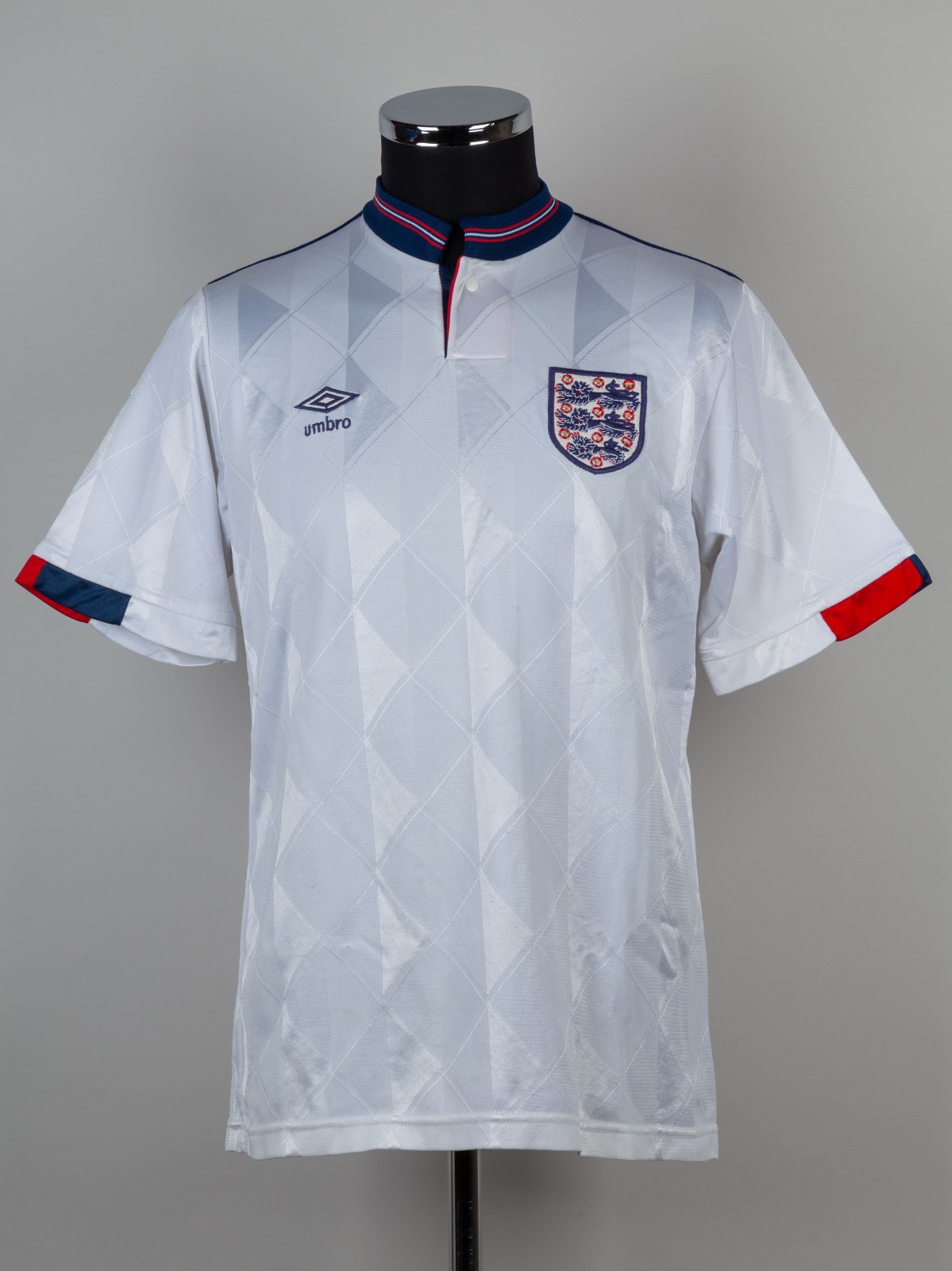
Unlike adidas's three stripes or Nike's swoosh, the Umbro diamond is a subtle mark, woven into fabric rather than printed or applied. On vintage Umbro shirts, its presence and execution tells you the era at a glance. Pre-1980s diamonds are typically embroidered in a single thread colour. The 1980s brought the diamond into templates as a structural design element; you can see it in the collar construction of the England 1990 shirt. The 1990s saw it boldly applied as a repeating motif across chest panels and shorts.
For collectors, the diamond is not decoration. It is authentication. A shirt with no diamond but a supposed Umbro label warrants scrutiny. When present and correctly executed, it is one of the most reliable provenance markers in football shirt collecting.
1966 — the World Cup
30 July 1966 · Wembley Stadium · England 4–2 West Germany
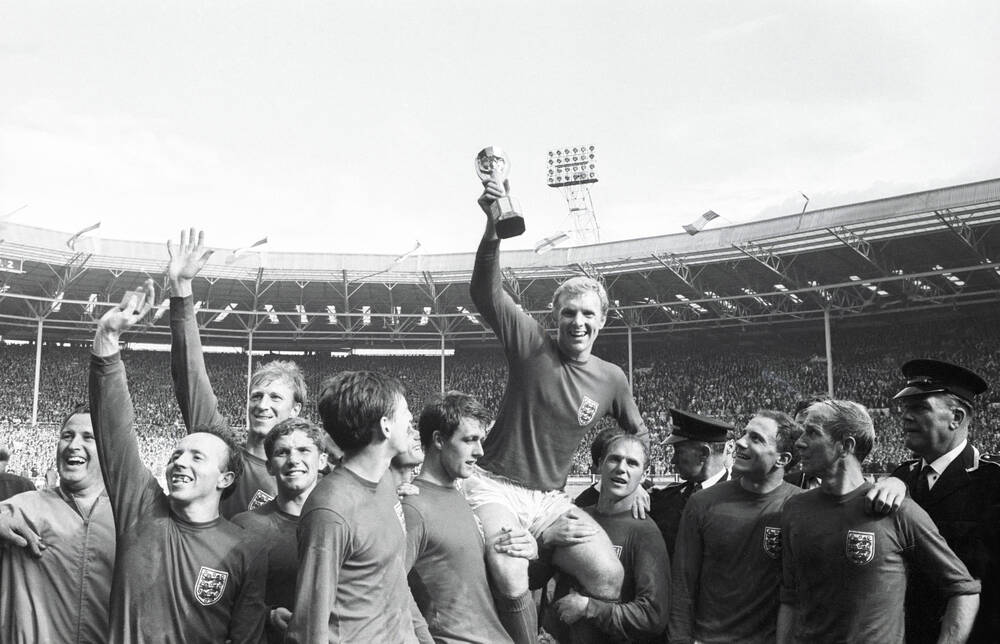
Bobby Moore lifted the Jules Rimet trophy in a plain white Umbro shirt. The 1966 home kit, a simple crew-neck white shirt with no sponsor, no elaborate design, just the Three Lions badge, is the most important piece of clothing in English football history. Every collector knows it. Geoff Hurst's hat-trick. Kenneth Wolstenholme's commentary. And Umbro on every shirt of every player on the pitch.
What makes the 1966 kit compelling for collectors is its simplicity. There is nowhere to hide: the cloth, the cut, the badge placement, the collar construction. These are the only variables. Finding an original in good condition is genuinely difficult. The shirts saw hard use. Replica production was limited by modern standards. Condition-graded originals are among the most sought-after items in the collecting community.
England wore Umbro for most of their post-war history, with one significant interruption: Admiral supplied the national team from 1974 to 1984, covering the 1978 and 1982 World Cups. Umbro returned in 1984 and held the contract until 2012, when Nike took over. The 1966 kit marks the pinnacle of the relationship: the only England shirt ever worn by a World Cup-winning squad.
The English game
The clubs that built the archive
For most of the 20th century, Umbro was the dominant kit manufacturer for English football. Not just the national team, the clubs too. At any given point from the 1960s through to the early 2000s, Umbro supplied more English top-flight clubs than any other single manufacturer, though Admiral in the 1970s and later Adidas, Reebok and Nike all held significant market share. The depth of the archive this creates is unmatched by any other brand in English football.
Key clubs in the archive
-
Manchester United
First Division / Premier League era through 2002
-
Chelsea
Long Umbro partnership through the 1990s
-
Everton
Goodison Park in classic Umbro blue
-
West Ham
Claret and blue, diamond collar
-
Nottingham Forest
European Cup double in Umbro, 1979–80
Why this matters for collectors
English football shirts from the 1970s, 1980s and early 1990s are among the most collected in the world, and the vast majority are Umbro. The combination of domestic manufacturing quality, the diamond label as an authentication mark, and the cultural weight of the clubs involved makes Umbro's English club archive the deepest and most collectable in the catalogue.
Nottingham Forest's European Cup run (1978–80) in particular, with Brian Clough, Peter Shilton and Trevor Francis, produced some of the most historically significant Umbro club shirts ever made.
Manchester United — the treble
1998/99 · League, FA Cup, Champions League
Manchester United's 1998/99 season remains one of the greatest in English football history: the first Treble ever won by an English club (Manchester City later matched it in 2022/23). Every shirt across that campaign was Umbro. Sheringham and Solskjær in Barcelona. Keane and Scholes suspended for the final, watching from the stands. The Champions League final kit worn at Camp Nou is one of the most collected football shirts of any era.
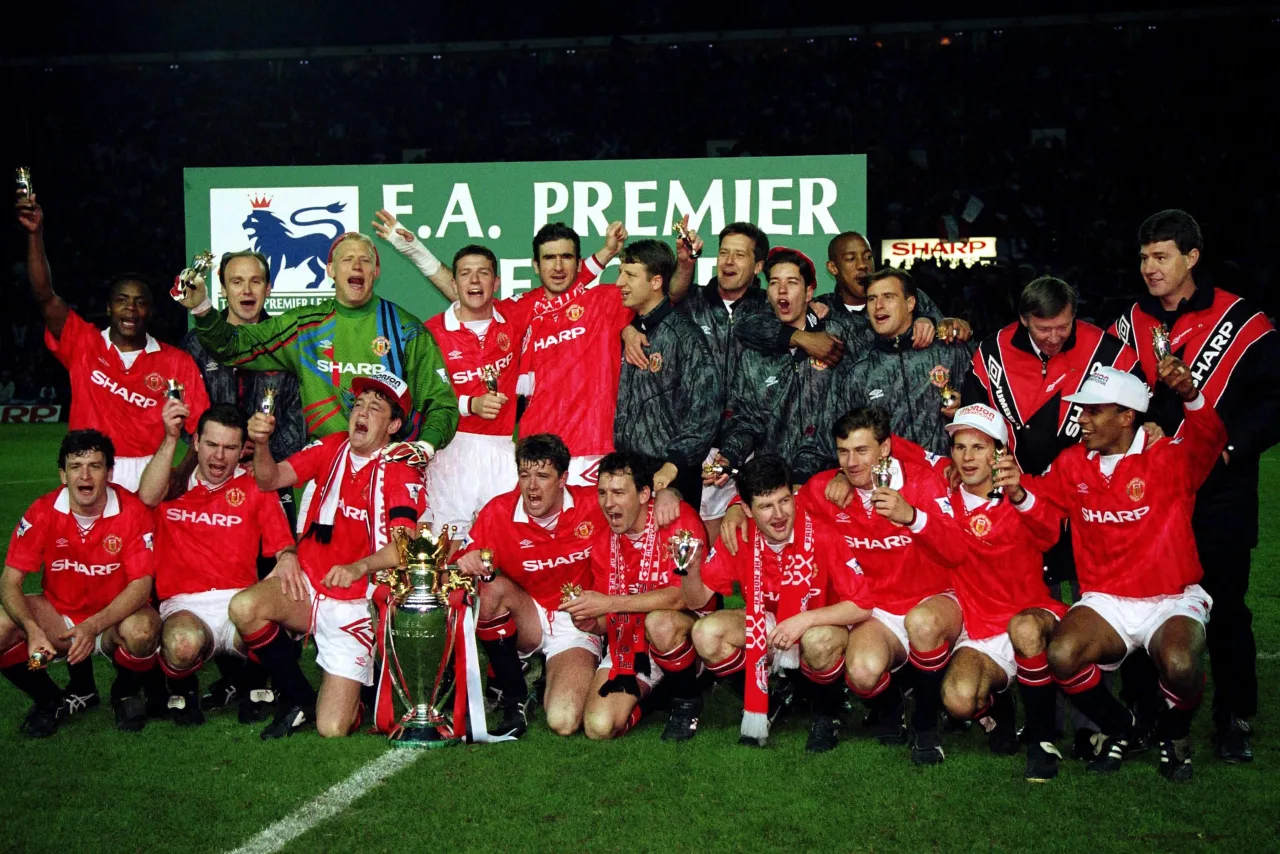
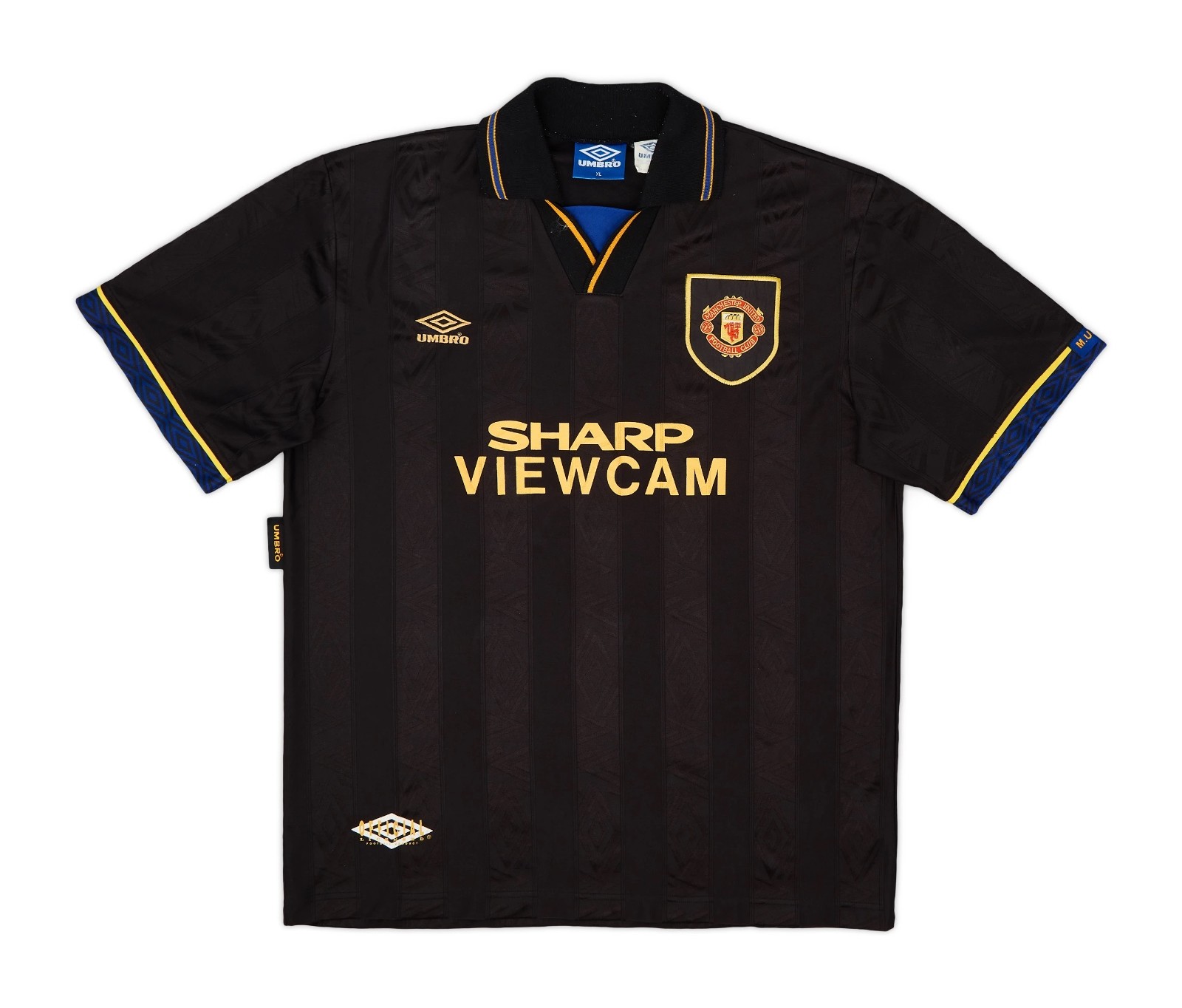
United's Umbro partnership ran from the early 1990s through 2002, encompassing five Premier League titles, two FA Cups, and the Treble. The 1992–93 home shirt, from the first Premier League season, is the starting point of a deeply collected run. The 1993–94 double-winning season produced another iconic shirt. The 1996–97 home kit (Cantona's last) and the 1998–99 shirts mark the peak.
Browse all Manchester United Umbro kits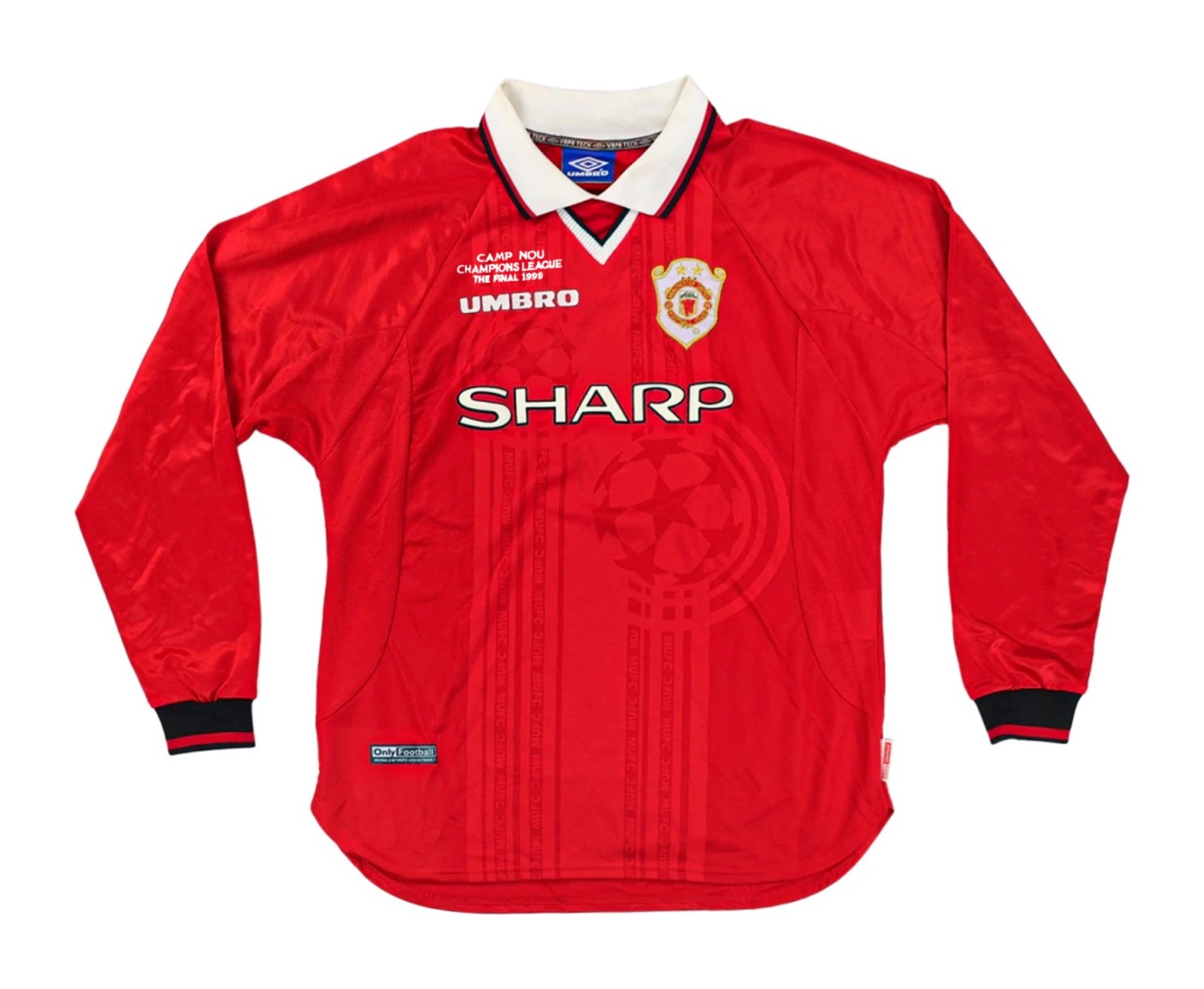
2000–2006 · Eriksson's England · The Last Umbro Era
Beckham's England
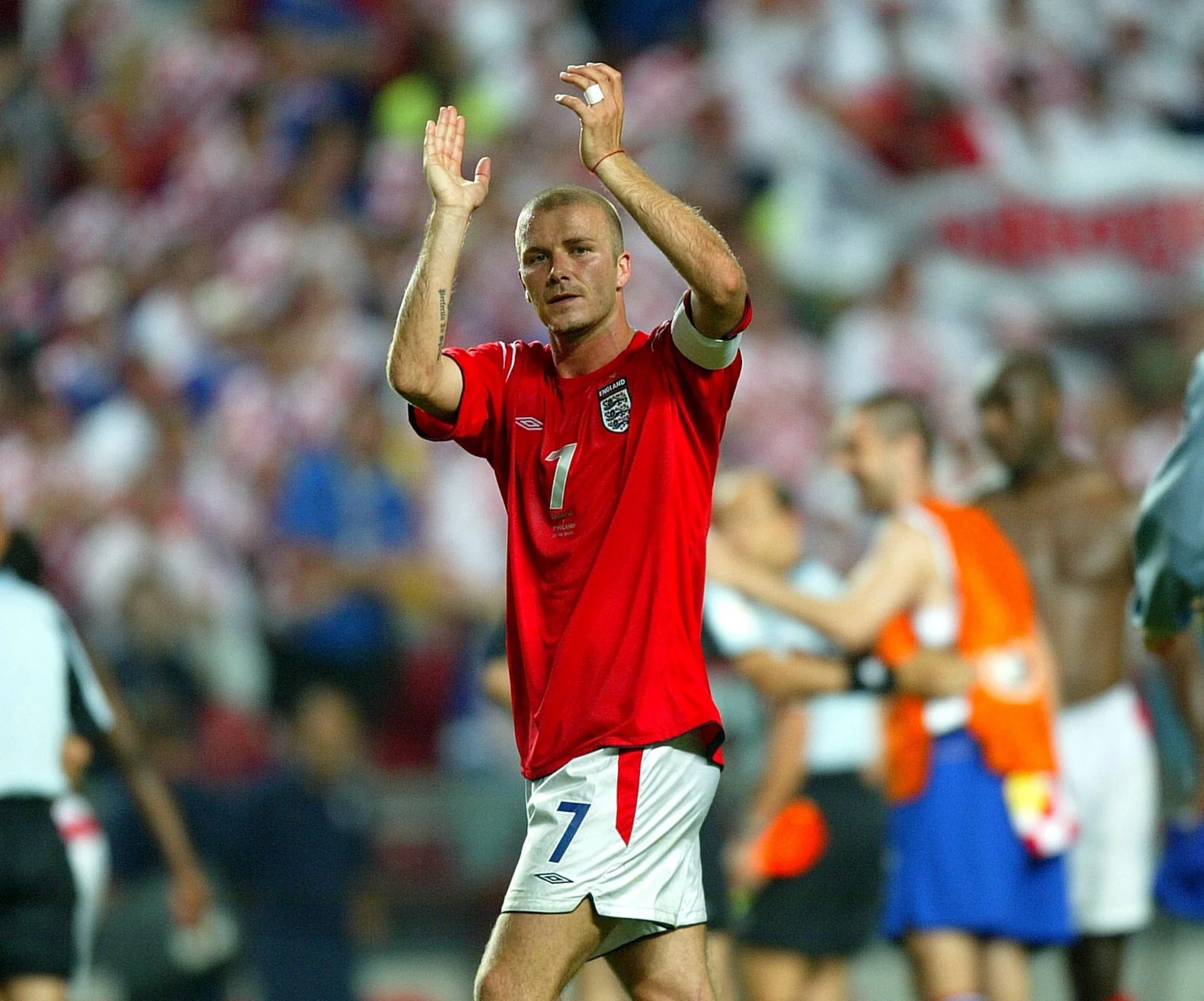
The final era of England in Umbro produced some of the brand's most visually distinctive shirts. The 2004–06 away kit, a bright red shirt with St George cross detailing on the shoulders, is one of the more striking England away designs of the modern era. Beckham, Owen, Lampard, Gerrard, Terry. The "Golden Generation" that never quite delivered a tournament win.
England wore Umbro through to 2012, but the 2000–2007 window marks the last period of genuine creative ambition under the partnership. The Nike acquisition in 2007 shifted the brand's focus, and the subsequent England kits, while technically Umbro, lost some of the character of the earlier decades.
2007–2012 · The Nike Acquisition
When Nike bought the competition
In 2007, Nike acquired Umbro for £285 million. The purchase was less about loving Umbro and more about removing a competitor from the England kit market. Nike held the contract, consolidated production, and Umbro's independence effectively ended. The brand continued: kits were still made, clubs still wore them. But the creative energy that had defined Umbro's best decades dissipated.
In 2012, Nike sold Umbro to the Iconix Brand Group for $225 million, less than they paid for it. Umbro has since operated with more independence, gradually returning to club partnerships in the English lower leagues and eventually reclaiming some of the domestic heritage positioning. For collectors, the 2007–2012 Nike-era Umbro shirts occupy a distinct and generally less valued place in the archive, identifiable by Nike's involvement in production and distribution. Pre-acquisition Umbro (particularly pre-2002) is where collector demand concentrates.
Key milestones
Founded in Wilmslow, Cheshire
Harold and Wallace Humphreys register the Umbro name, derived from their own surname. Early focus on sportswear manufacturing. The diamond mark is established as the brand's signature within the first decade.
England win the World Cup
Bobby Moore lifts the Jules Rimet trophy at Wembley. Every outfield player and goalkeeper on England's World Cup-winning squad wears Umbro. The most significant single moment in the brand's history, and the most collectable shirts it has ever produced.
Nottingham Forest — European Cup winners
Brian Clough's Forest win the European Cup in Umbro, then defend it in 1980. Two consecutive European Cup wins from a club that had only been promoted to the First Division two years earlier. The shirts from this era are among the most historically significant in English club football.
Italia 90 — Gazza's tears
England reach the World Cup semi-final. Paul Gascoigne's tears after his yellow card, knowing he would miss the final if England got through, become the defining image of the tournament. The white Umbro home shirt is as associated with that moment as anything Umbro has ever made. England lost on penalties to West Germany.
Euro 96 — Three Lions
England host the European Championship. Shearer and Sheringham score four against Holland. Gazza's goal against Scotland. The "Three Lions" song enters the culture. England lose on penalties to Germany in the semi-final. The Umbro home shirt from Euro 96, white with blue and red trim, is one of the decade's most collected England items.
Manchester United — The Treble
Umbro kits in every match of the first Treble won by an English club. Premier League, FA Cup, Champions League. Sheringham and Solskjær at Camp Nou. The UCL Final shirt is the most collected Umbro club item of the modern era. (Manchester City later matched the achievement in 2022/23.)
Nike acquires Umbro for £285m
Nike buys Umbro, primarily to secure the England national team kit contract and remove a domestic competitor. Umbro continues operating but creative independence is significantly reduced under Nike ownership.
Nike sells to Iconix — Umbro relaunched
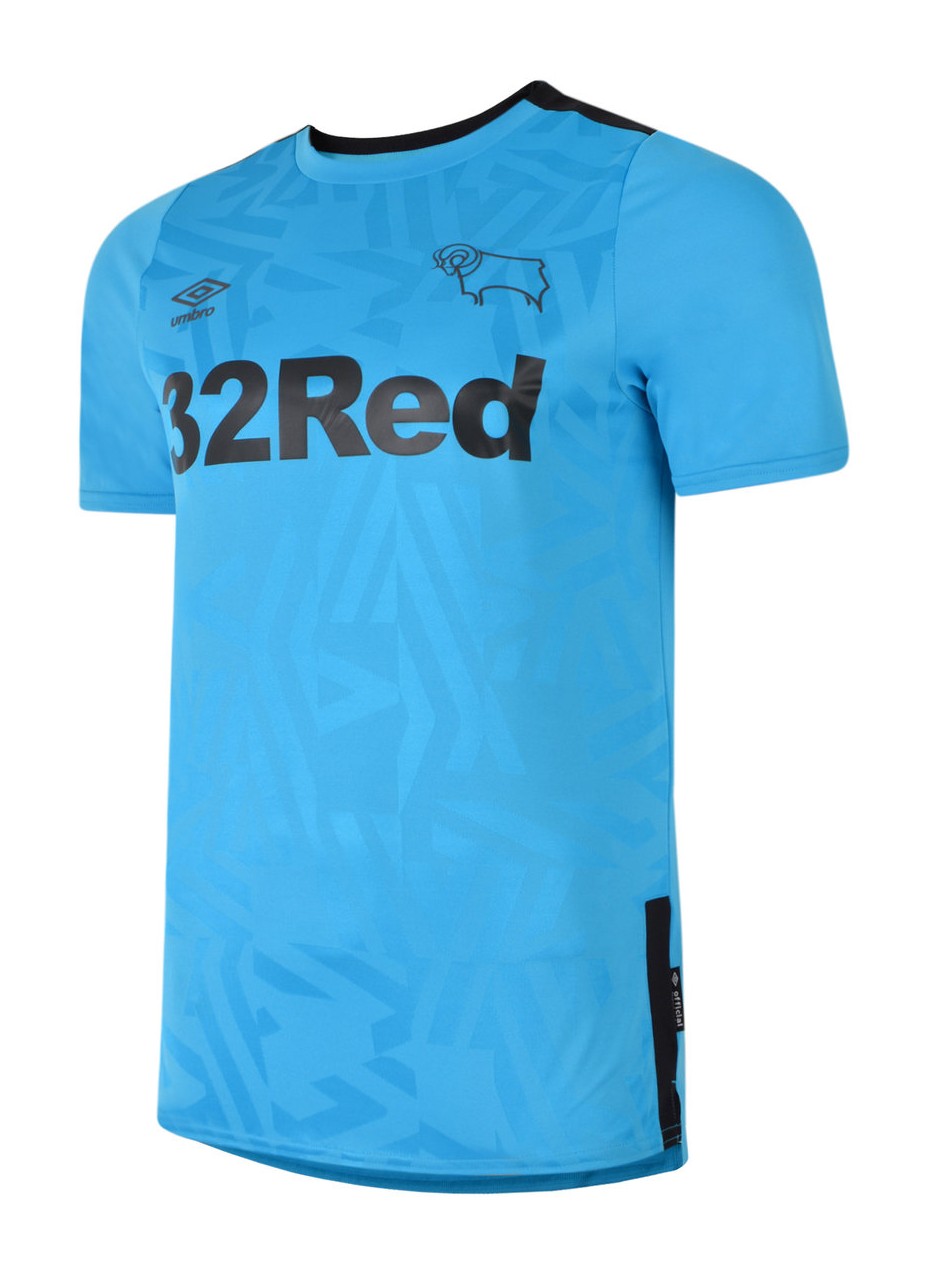
Nike sells Umbro for $225m, a loss on the original acquisition. Umbro relaunches as an independent brand under Iconix, gradually returning to English football with club partnerships and heritage-focused positioning.
Logo evolution
 1960s
1960s
 1974
1974
 1980
1980
 1992
1992
 1999
Present
1999
Present
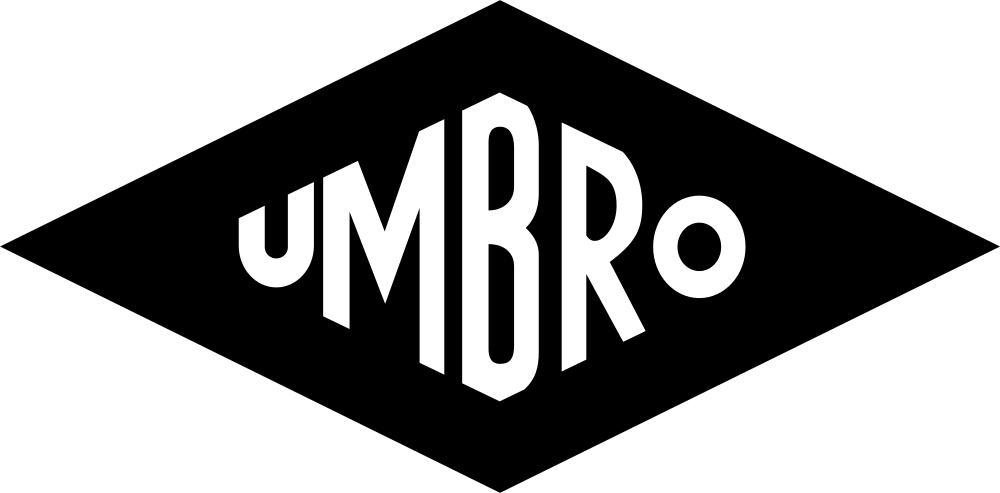
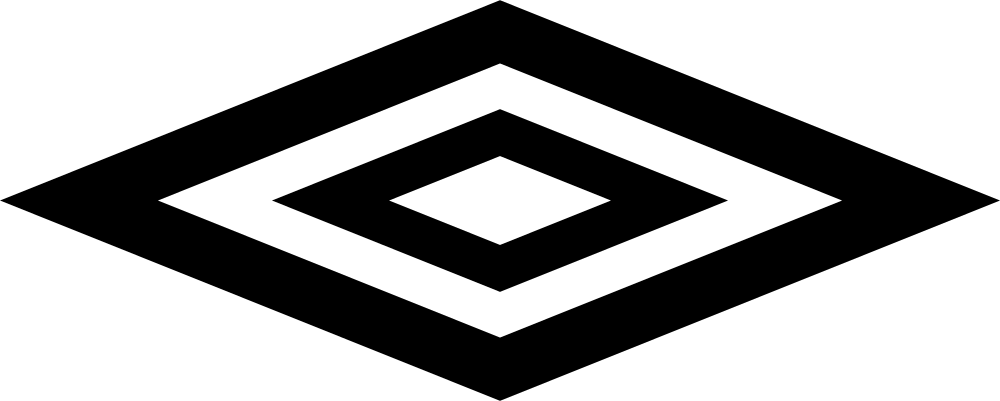
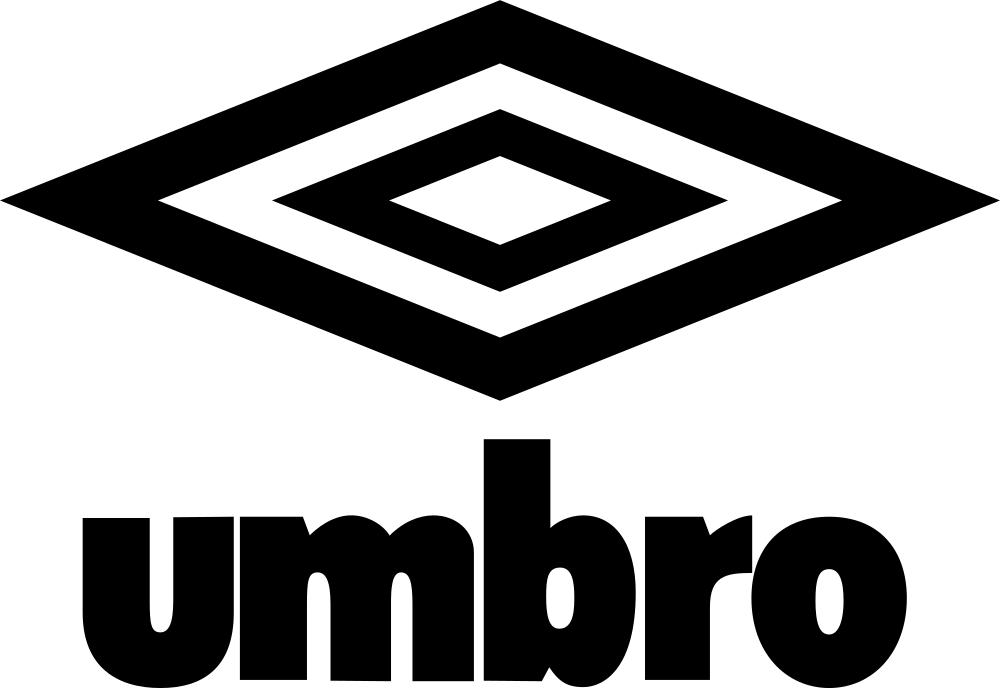
The Umbro logo has evolved through several distinct forms across its century of history, from the stylised wordmarks of the 1960s and 1970s to the diamond-integrated marks of the 1990s. The diamond motif, present in the brand's identity from the beginning, reaches its most explicit expression in the 1990s logo used during the England Euro 96 and Man United Treble era.
3,445
Kits in ShirtSociety
185
Clubs
1966
World Cup
1924
Founded
Iconic Umbro kits
A century of English football, distilled into six shirts.
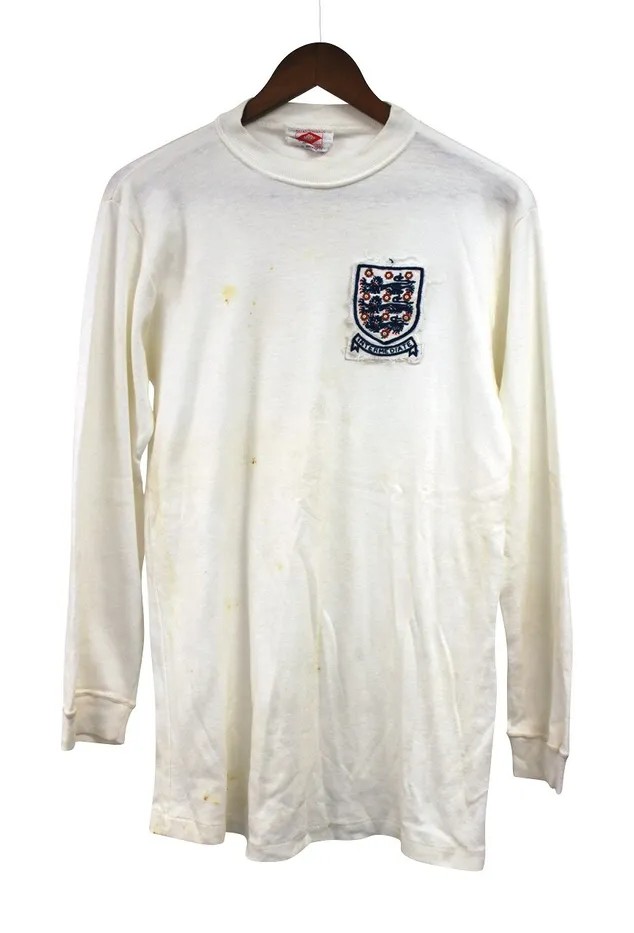
Bobby Moore. Geoff Hurst's hat-trick. Four-two at Wembley. The white shirt with no sponsor, no logo on the chest, just the Three Lions badge and Umbro's craft. The most important football shirt England have ever worn, and the most important shirt Umbro have ever made.
Sheringham. Solskjær. Ninety seconds. Camp Nou. The Treble shirt, worn in the most dramatic comeback in Champions League final history. United's greatest night, in Umbro's finest club kit.
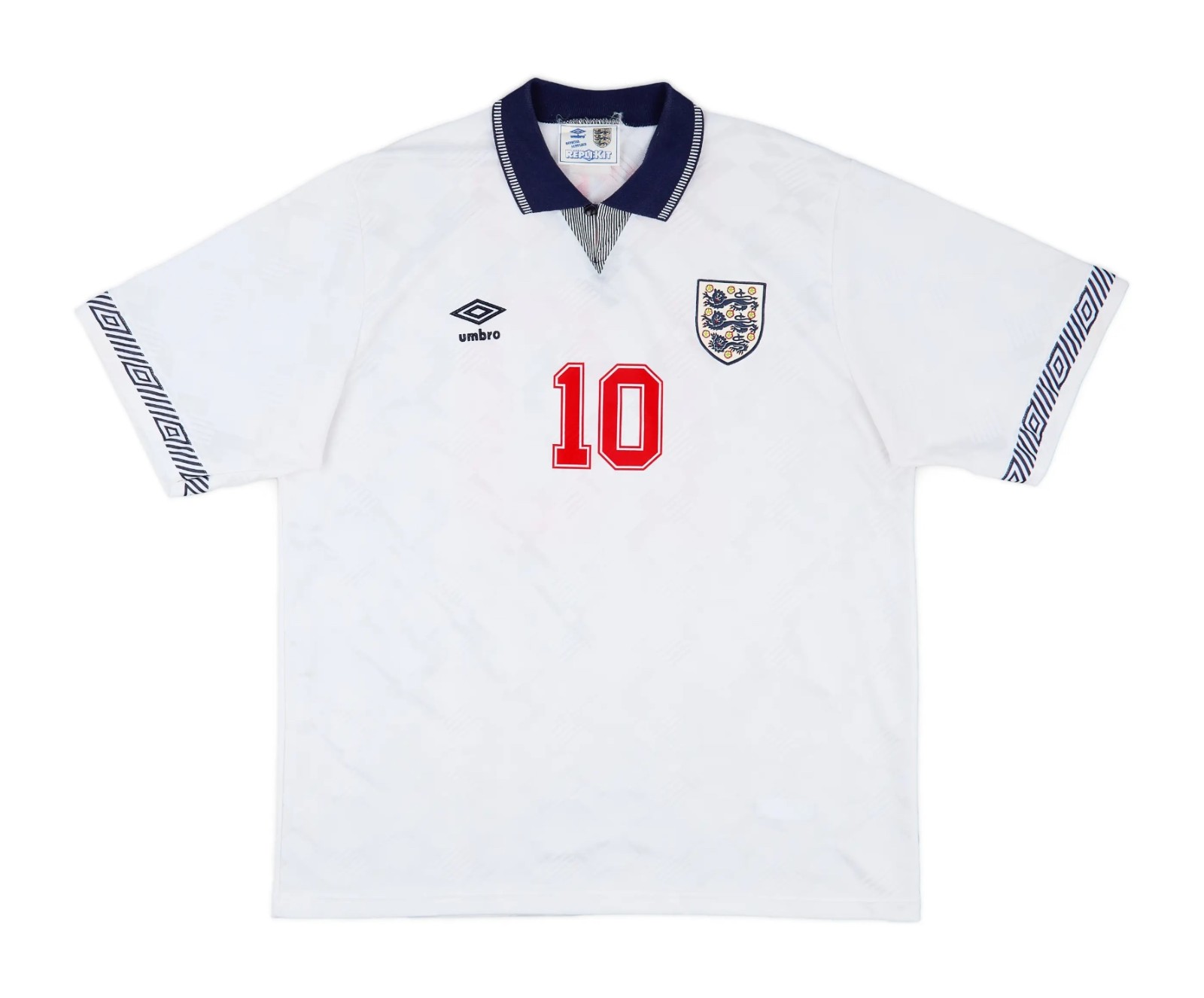
Gazza's tears. Lineker's goals. Platt's volley against Belgium in extra time. England lose on penalties to West Germany in Turin. The white Umbro shirt with the diamond collar detail is the defining English football image of a generation.
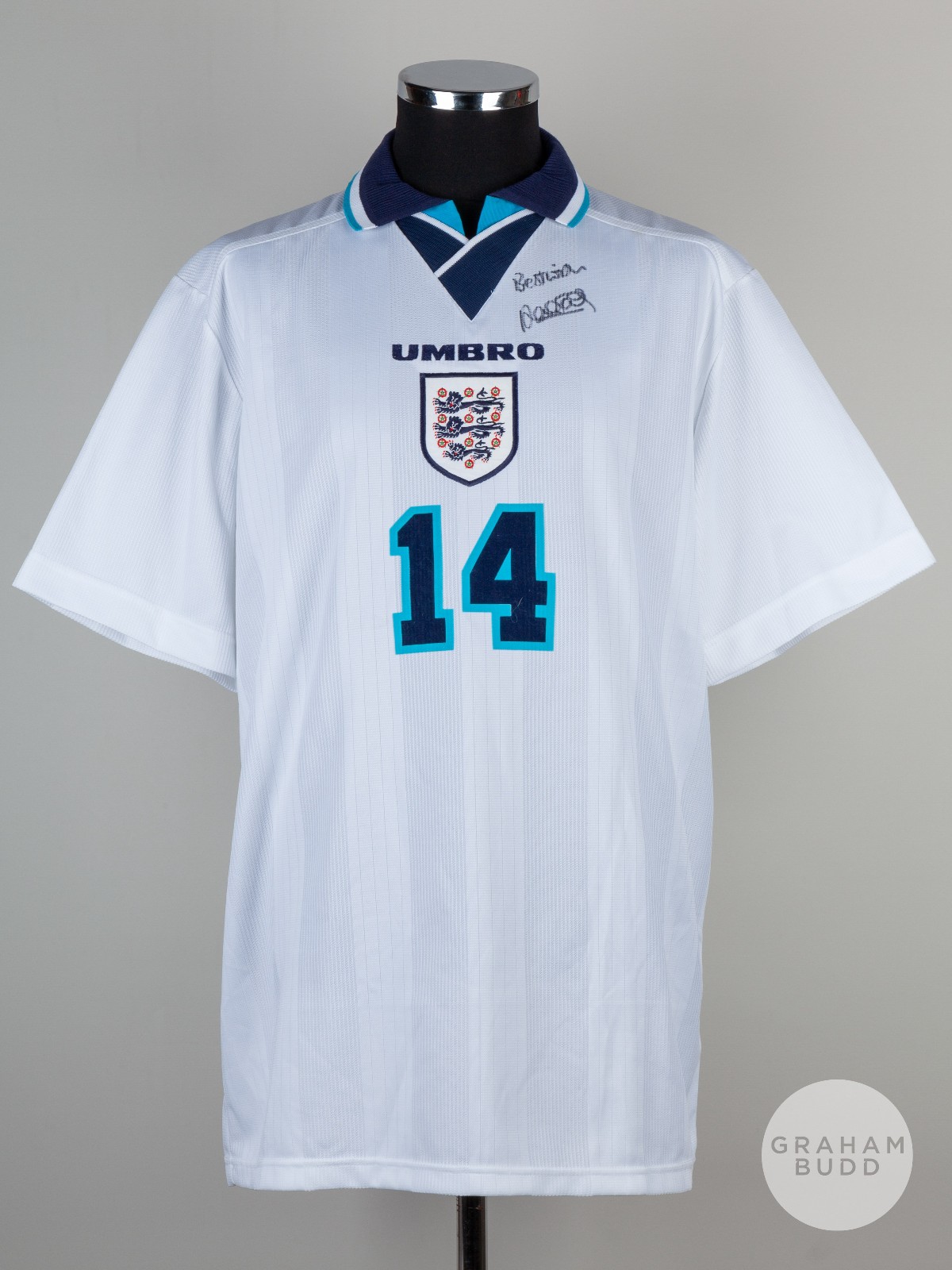
Shearer and Sheringham. Four against Holland. Gazza's volley against Scotland. England at home, in the best Umbro England shirt of the modern era, and then penalties against Germany in the semi-final. "Football's coming home" has never quite come.
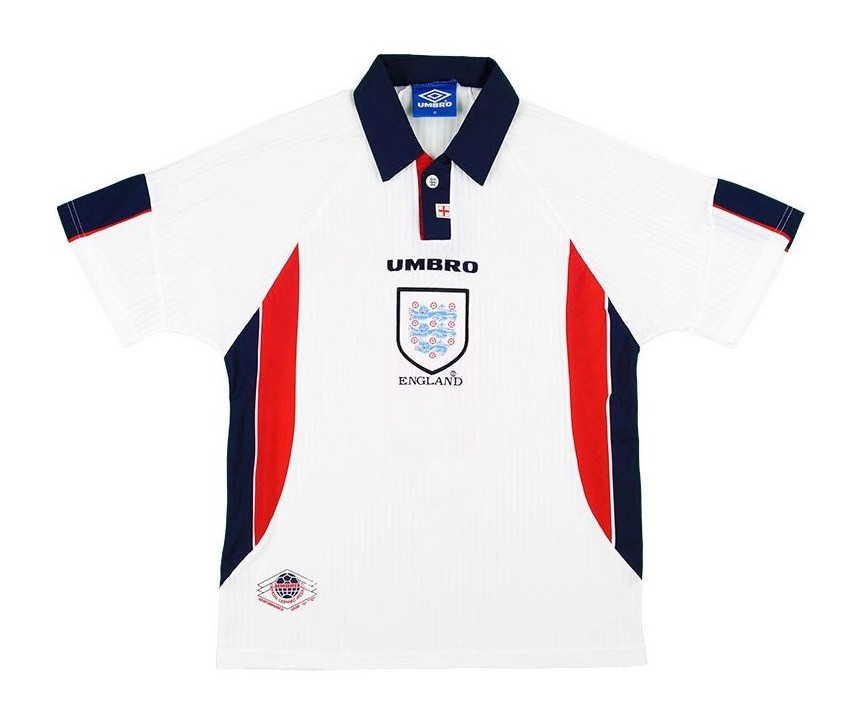
Beckham's red card. Owen's goal against Argentina, one of the best individual goals in World Cup history. England exit on penalties, again. By 1998, Beckham was already one of the most talked-about players on the planet. The shirt documents his lowest and most defining moment on the international stage.
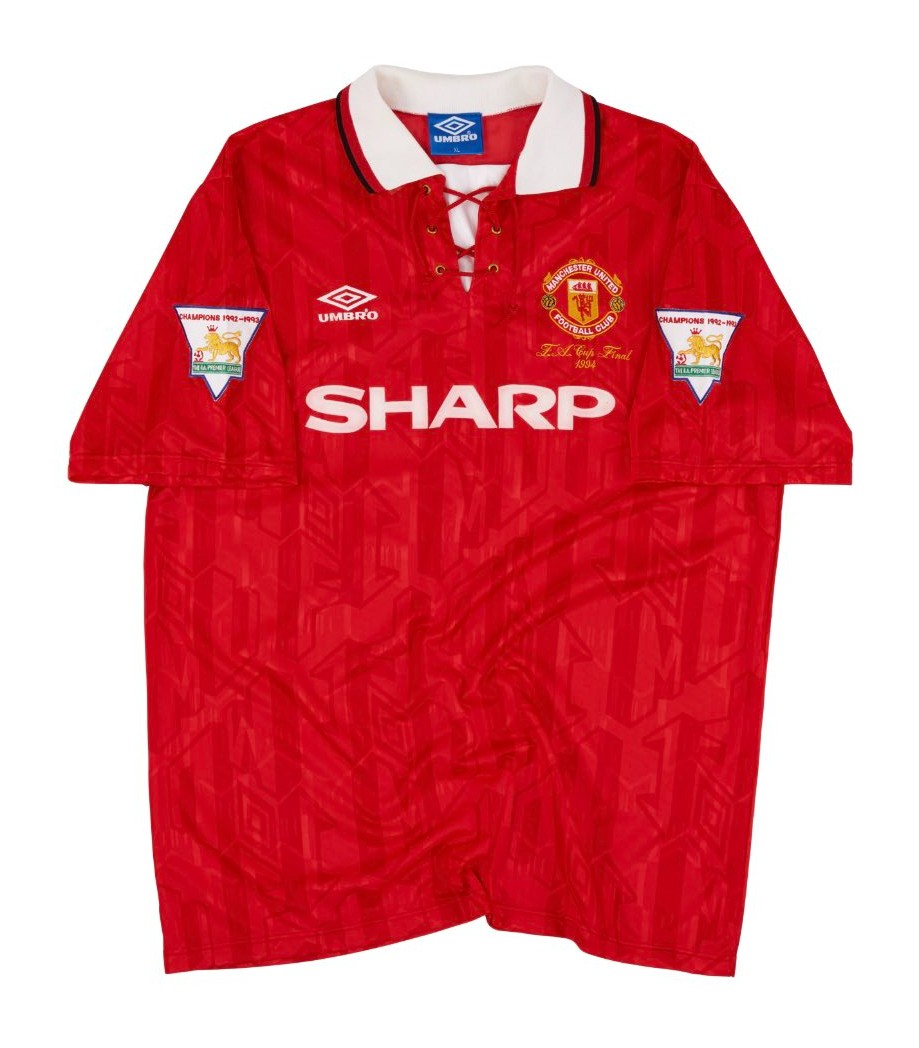
United's first domestic Double in their history. Cantona, Kanchelskis, Giggs, Sharpe. Ferguson had already won his first title the previous season (1992/93), but the Double confirmed the dynasty, documented in a classic Umbro shirt from the opening years of the Premier League.
Collector notes — what to look for
A hundred years of English football manufacturing. Here is what separates a great Umbro piece from a common one.
The Diamond — Your Primary Dating Tool
Learn the diamond variants by era. Pre-1980s: embroidered, single colour, small. 1980s: structural, woven into collar construction. 1990s: repeated as a pattern. 2000s: printed, larger. The absence of a diamond on a claimed vintage shirt is a red flag. Legitimate pre-1990s Umbro almost always carries it.
England vs. Club — Where Value Concentrates
England shirts command the highest prices in the Umbro archive: particularly 1966, 1990, and 1996. But serious collectors increasingly target club items: Nottingham Forest 1979–80, West Ham 1970s, and the Manchester United 1992–2002 run. Club shirts in match-worn or match-issue condition are rare and underpriced relative to their historical importance.
Pre-Acquisition vs. Nike-Era — Know the Difference
Post-2007 Nike-era Umbro shirts are identifiable by changes in manufacturing standards and by Nike's production marks in certain territories. Pre-2002 Umbro, made in England or Portugal, is generally higher quality and more collectable. The window 2002–2007 (post-Manchester United contract loss, pre-Nike) is interesting and underexplored.
The Lower Leagues — Hidden Archive
Umbro's dominance of English football means their archive extends deep into the lower leagues, with clubs from the Third and Fourth Division wearing the same manufacturer as England and United. For niche collectors, finding a well-preserved Umbro shirt from a lower-league club in the 1970s or 1980s, especially with a match-worn provenance, is one of the most satisfying finds in the hobby.
Featured in