
Est. 1899 · Marseille, France · Les Phocéens
Olympique de Marseille
Founded in 1899 in the port city of Marseille, OM are the only French club to have won the European Cup, claiming the title in 1993. Nine Ligue 1 titles. The Stade Vélodrome. Papin. Waddle. Cantona. Drogba. 244 Marseille kits catalogued on ShirtSociety.
1899: born in the port city
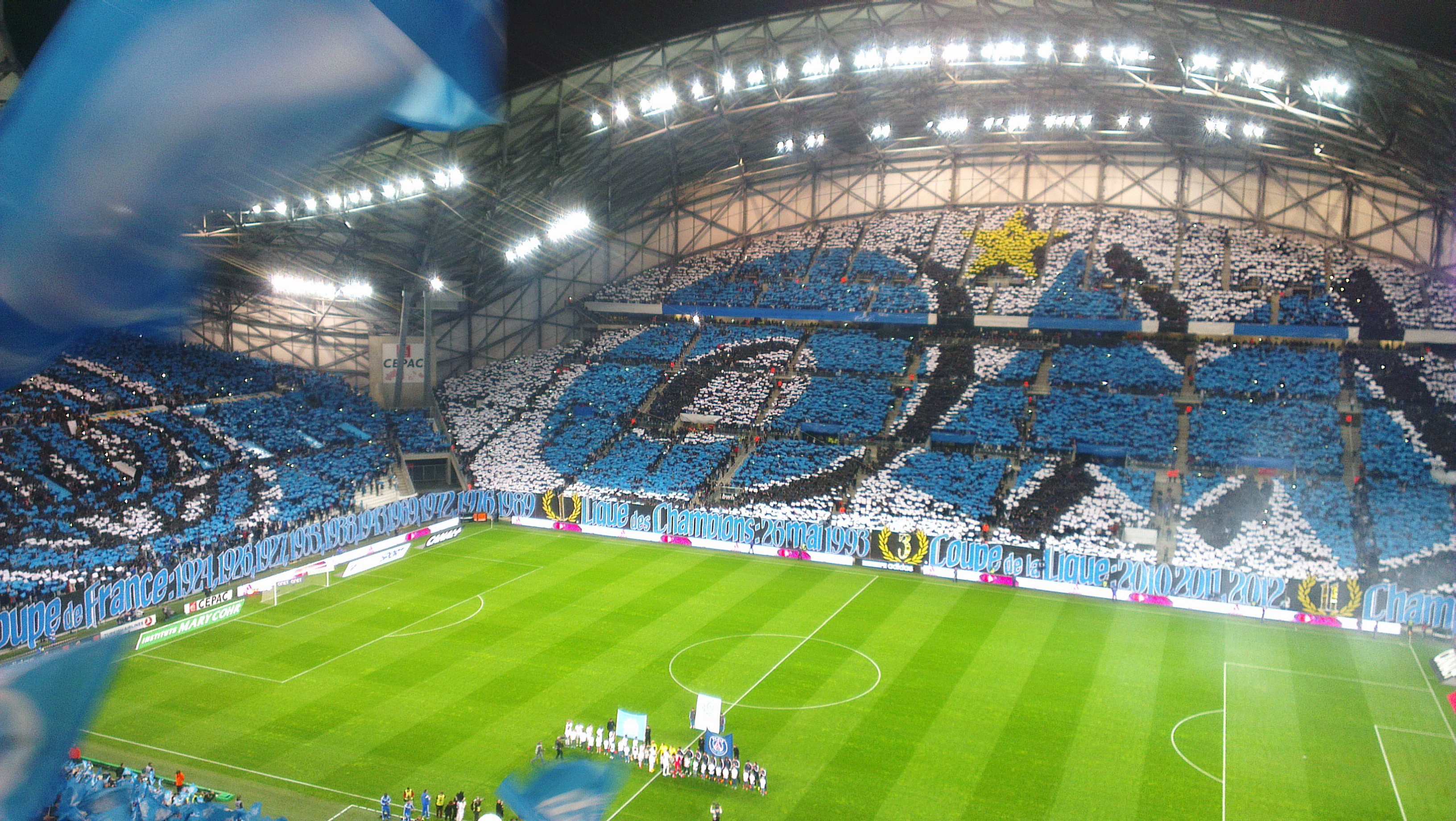
1899 · Football Club de Marseille · White shirts from the beginning
Olympique de Marseille was founded on 31 August 1899, making it one of the oldest professional clubs in France. The city of Marseille is France's second-largest by population and one of its oldest, a port on the Mediterranean coast with a history stretching back to ancient Greek settlement. The relationship between the club and the city has historically been close, with football occupying a central place in local identity.
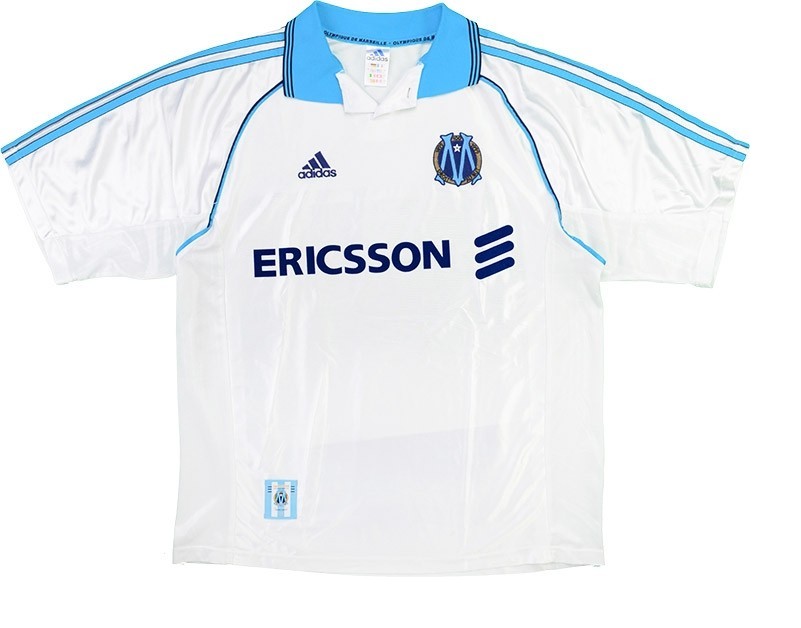
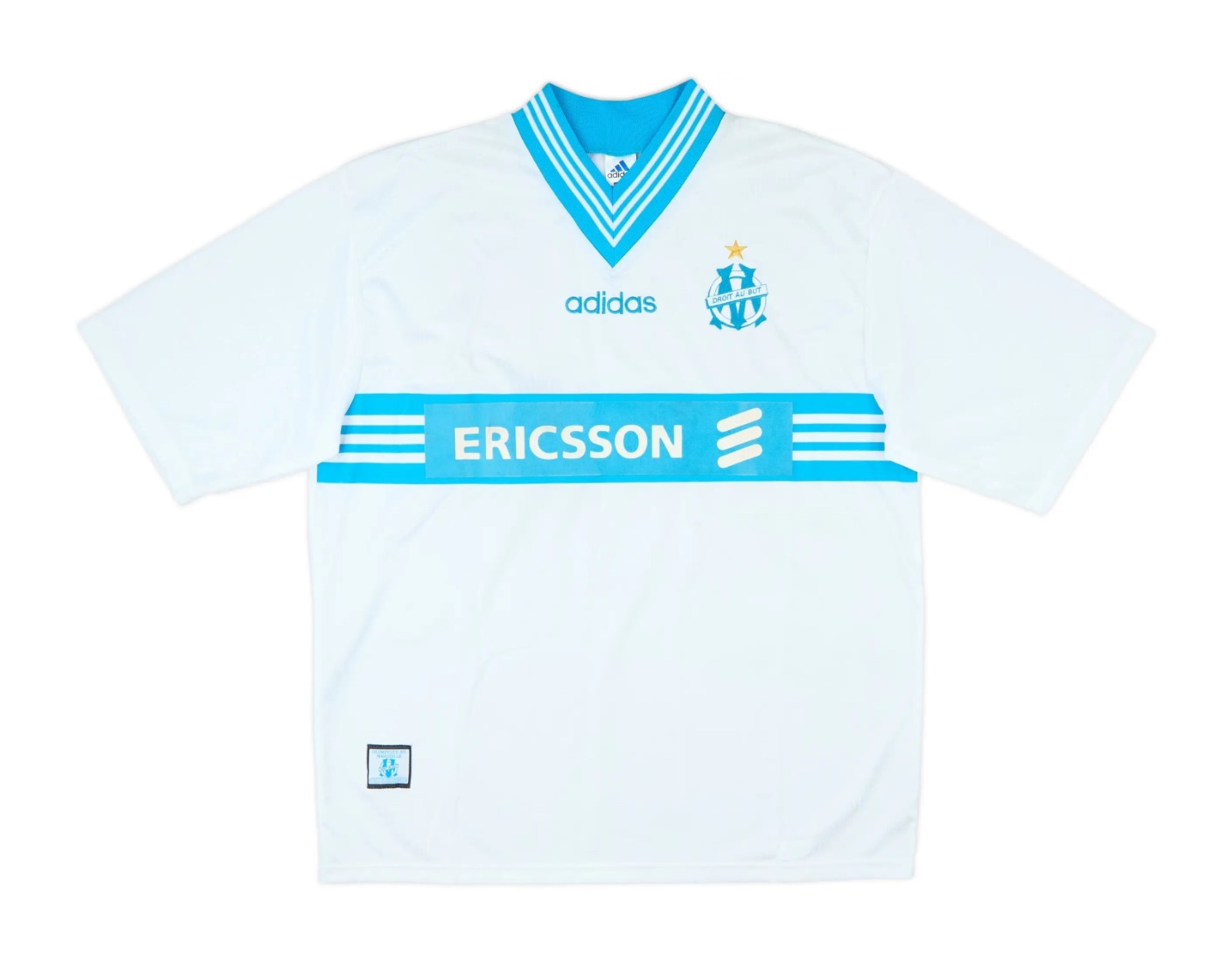
The club's colours are blue and white. The home shirt has historically been white with blue detailing, and the shade of blue has shifted across eras and manufacturers, from deep navy to lighter tones. The white home shirt is the constant: across decades, OM have played in white at the Vélodrome.
OM have won the French league title nine times and one Champions League. For much of the 20th century they were one of the dominant forces in French domestic football. Paris Saint-Germain's change of ownership in 2011 and the investment that followed shifted that balance significantly.
The club's nickname, Les Phocéens, refers to the ancient Greek colony of Phocaea, whose settlers founded the city of Massalia, the forerunner of modern Marseille, around 600 BC. The connection to the sea and to the ancient Mediterranean world runs through the city's identity, and through the club's too.
The Tapie era: ambition without limits
1986–1994 · Bernard Tapie · Papin · Waddle · Cantona
Bernard Tapie bought Olympique de Marseille in 1986 and immediately changed the scale of ambition at the club. He spent heavily, brought in international players at a time when that was unusual in French football, and demanded results. OM won five consecutive league titles from 1987/88 to 1991/92. The club became a genuine European force, reaching the Champions League final in 1991 and winning it in 1993.
The players Tapie assembled during this period represent the most celebrated generation in the club's history. Jean-Pierre Papin won the Ballon d'Or in 1991 after five seasons in the white shirt, establishing himself as one of the best strikers in Europe. Chris Waddle arrived from Tottenham in 1989 and produced three of the best seasons of his career. Eric Cantona spent time at the club, as did Didier Deschamps, Rudi Völler, and Abedi Pelé.
The era ended in scandal. In 1993, OM were found to have bribed Valenciennes players ahead of a league match. Tapie was later jailed. The club were stripped of their 1992/93 Ligue 1 title and relegated to the second division. The Champions League title from the same season was allowed to stand.
Browse all Marseille kits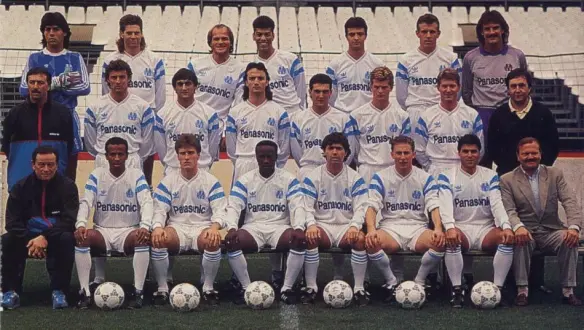
1993: the night in Munich
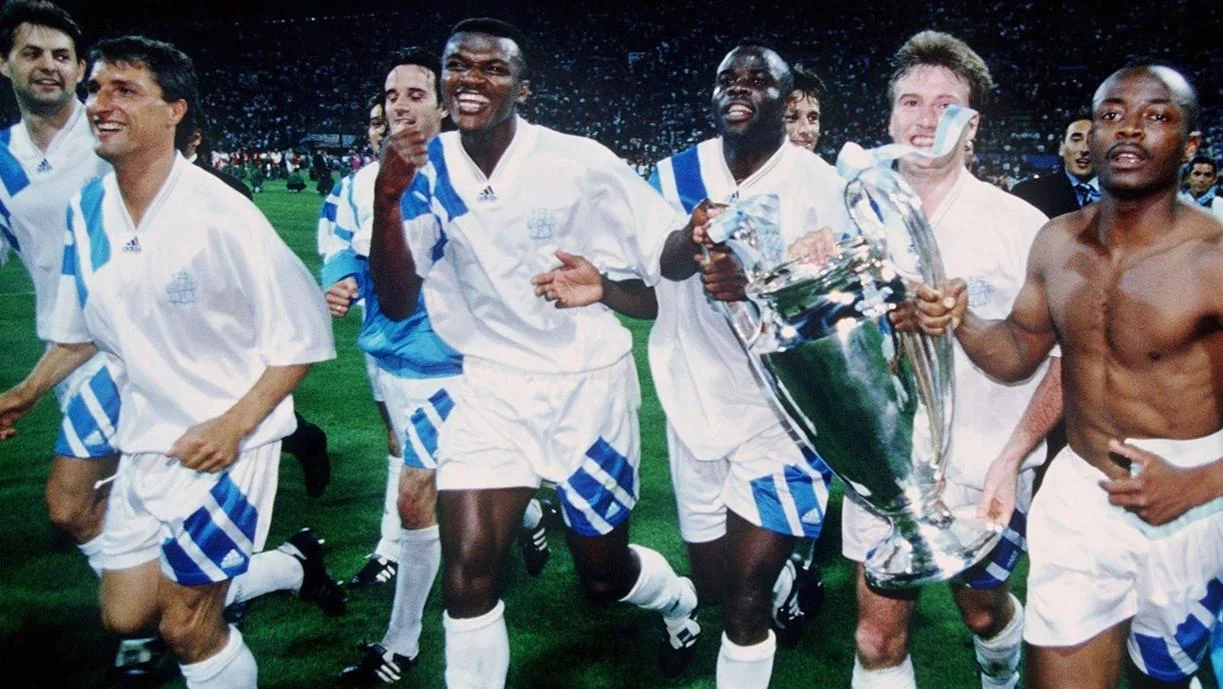
26 May 1993 · Olympiastadion, Munich · OM 1–0 AC Milan
On 26 May 1993, Olympique de Marseille beat AC Milan 1–0 in the European Cup final in Munich. Basile Boli scored the only goal with a header from a corner in the 43rd minute. Milan, with Maldini, Baresi, and Van Basten, were considered heavy favourites. OM held them out for the full 90 minutes.
The squad included Rudi Völler, Abedi Pelé, Deschamps as captain, Marcel Desailly and Boli at the back, and Fabien Barthez in goal. It remains the only time a French club has won the European Cup or Champions League. The white shirt worn that night in Munich is the most historically significant kit in the club's archive.
The match-fixing scandal that followed, centred on a Ligue 1 fixture against Valenciennes days before the final, tainted the era permanently. OM were relegated and stripped of their league title. The European trophy was never taken away. The shirt from that final sits in a complicated place: historically loaded, but forever attached to a club in crisis.
The Vélodrome: a ground with a reputation
Stade Orange Vélodrome · 67,394 capacity · Opened 1937
The Stade Vélodrome was opened in 1937 and has been the home of Olympique de Marseille ever since. Originally named for the cycling velodrome that preceded it on the same site, it underwent significant redevelopment ahead of the 1998 World Cup and again before Euro 2016, when a new cantilevered roof was installed. The current capacity is 67,394, making it the second-largest stadium in France.
The Vélodrome has a well-established reputation as a demanding home ground, particularly in European competition. The ultras groups, including the South Winners and the Fanatics, occupy the Virage Sud and maintain continuous support throughout matches. Visiting clubs have frequently noted the atmosphere as a factor, though this is a subjective assessment that varies by occasion and opponent.
The Vélodrome has hosted international football regularly across its history, including matches at the 1938 World Cup, the 1984 European Championship, the 1998 World Cup (including the semi-final between France and Croatia), and Euro 2016. It is one of the principal venues for international football in France.
For collectors, the Vélodrome functions as a context for the shirts: a white OM home kit on a European night in the Vélodrome is one of the enduring images of French football. The specific combination of the white shirt, the blue badge, and that ground has made certain OM kits more recognisable than their Ligue 1 context alone would justify.
Players who wore the white shirt
Jean-Pierre Papin
1986–1992
Ballon d'Or 1991. Five consecutive league titles and the European Cup in the white shirt. The defining forward of the Tapie era.
Chris Waddle
1989–1992
Three of the best seasons of his career at the Vélodrome. Named French Player of the Year in 1989/90. One of the most celebrated foreign players in Ligue 1 history.
Didier Deschamps
1989–1994
Captain of the 1993 Champions League-winning side. Later returned as manager and won Ligue 1 in 2009/10.
Abedi Pelé
1987–1993
Three-time African Footballer of the Year. Central to the 1993 European Cup campaign. One of the most gifted players to wear the OM shirt.
Didier Drogba
2003–2004
One season at Marseille before his move to Chelsea. The goals at the Vélodrome established his reputation at European level.
Samir Nasri
2004–2008
Came through the OM academy and spent four seasons in the first team before joining Arsenal in 2008. One of the more significant academy products of the club's modern period.
Key milestones
Club founded in Marseille
Olympique de Marseille is founded on 31 August 1899. The club adopts blue and white as its colours, with white as the home foundation. Early decades bring modest domestic success; the club's first major period of sustained dominance comes much later.
First Ligue 1 title of the modern era
OM win the French championship in 1971, beginning a period in which they establish themselves as one of France's dominant clubs, accumulating nine Ligue 1 titles in total.
Bernard Tapie takes control
The businessman Bernard Tapie buys the club and begins a period of exceptional investment and ambition. OM win five consecutive league titles from 1987/88 to 1991/92. Papin, Waddle, and Cantona all wear the white shirt during these years.
Jean-Pierre Papin wins the Ballon d'Or
In his fifth season at the club, Papin wins the Ballon d'Or, the only OM player to do so. The recognition places him among the best players in the world and cements the white shirt's status in European football during this period.
Champions League: Boli's header wins it in Munich
On 26 May 1993, OM beat AC Milan 1–0 in the European Cup final. Basile Boli scores the only goal. Deschamps captains the side. Barthez keeps the clean sheet. France's only European Cup. The match-fixing scandal around the Valenciennes league match breaks shortly after; the club are relegated and stripped of the 1992/93 Ligue 1 title. The European trophy stands.
Return to Ligue 1 and rebuilding
After relegation and years in the second division, OM return to top-flight football and begin the long process of rebuilding. The club's support base and the Vélodrome atmosphere remain unchanged through the difficult years.
Ligue 1 title under Deschamps
Didier Deschamps, the 1993 European Cup-winning captain, returns to the club as manager and leads OM to the Ligue 1 title in 2009/10, their first in seventeen years. The squad includes Lorik Cana, Mamadou Niang, and Hatem Ben Arfa.
UEFA Europa League final
OM reach the Europa League final in Lyon, losing 3–0 to Atletico Madrid. The run marks the club's first European final since 1999 and their deepest run in European competition since the 1993 Champions League.
9
Ligue 1 titles
1
Champions League
67,394
Vélodrome capacity
1899
Founded
Iconic Marseille kits
The most significant Marseille shirts across every era, from the Tapie years to the present.
The shirt worn in the European Cup final in Munich. Boli's header, Barthez's clean sheet, 1–0 against AC Milan. France's only European Cup, won in a white home shirt. No single kit in the club's history carries more weight.
Papin's Ballon d'Or came in his fifth season in the white shirt. The 1991/92 league title and the first European Cup final appearance. One of the most celebrated individual seasons by an OM player, in a clean white design that has aged well.
Chris Waddle's best season, named French Player of the Year. Papin alongside him. The white home kits from the Tapie era have a visual consistency across seasons that makes any one of them a strong entry point into this period of the club's history.
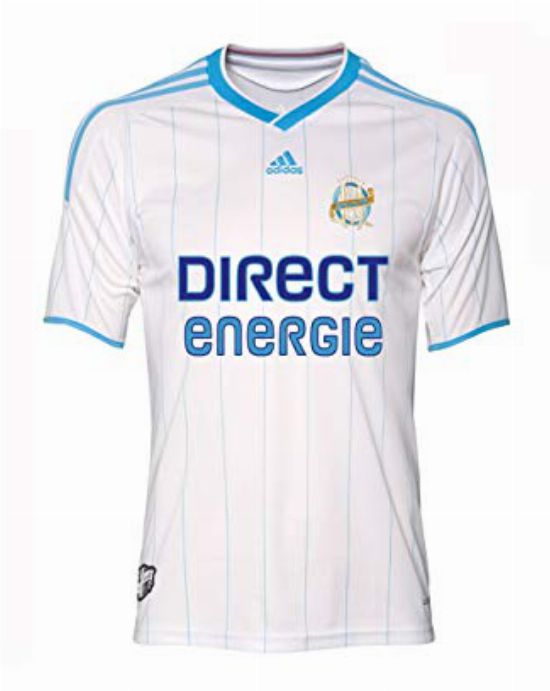
The title shirt from the club's first Ligue 1 in seventeen years. Deschamps, the 1993 captain, in the dugout. For collectors interested in the modern era, the 2009/10 season represents the clearest parallel to the Tapie years in terms of domestic achievement.
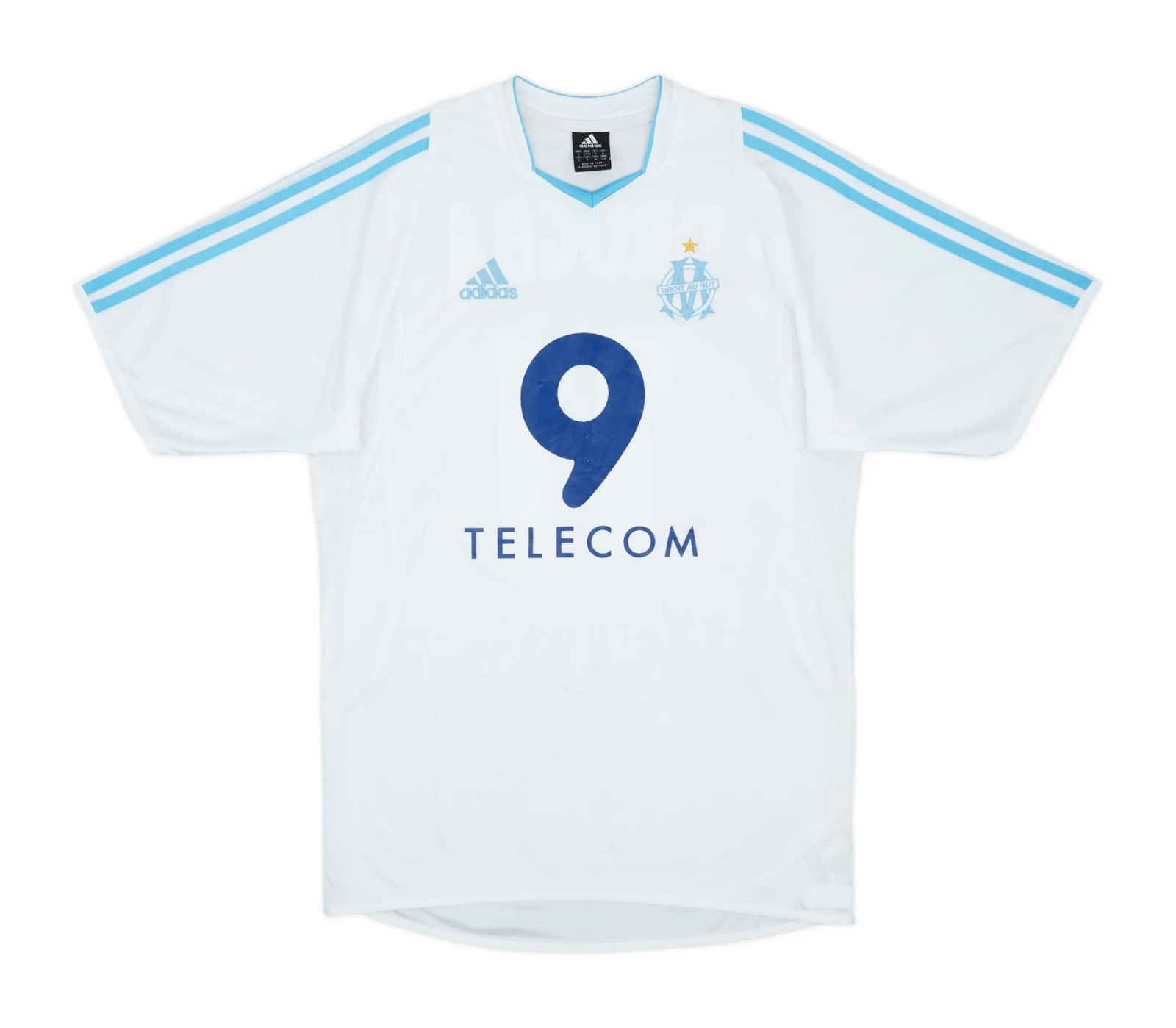
Didier Drogba's one season at Marseille before his move to Chelsea. The goals and performances that year at the Vélodrome established him at European level. For collectors interested in early Drogba, this is the kit that represents the beginning of his wider recognition.
Collector notes: what to look for
OM kits are collected primarily around the Tapie era and the 1993 European Cup. Here is what to know before buying.
The 1992/93 home shirt: the benchmark
The white home shirt from the 1992/93 Champions League-winning season is the obvious target for collectors focused on historical significance. Originals in good condition are increasingly scarce and trade at a premium. Player-issue versions from the final surface occasionally at auction. Be careful with condition: the white fabric shows age badly if not stored correctly, and discolouration is common on 30-year-old examples. Verify the label and stitching against known originals before buying.
Tapie era kits: consistent value
The home shirts from the five consecutive title seasons from 1987/88 to 1991/92 share a broadly similar white design aesthetic across manufacturers. Any shirt from this period worn by Papin, Waddle, or Cantona carries significant collector interest. The Papin shirt in particular, given the Ballon d'Or in 1991, tends to command higher prices with a name print. Replica Cantona shirts from his time at Marseille are a popular entry-level piece for collectors who want the era represented at lower cost.
Away kits: undervalued, high interest
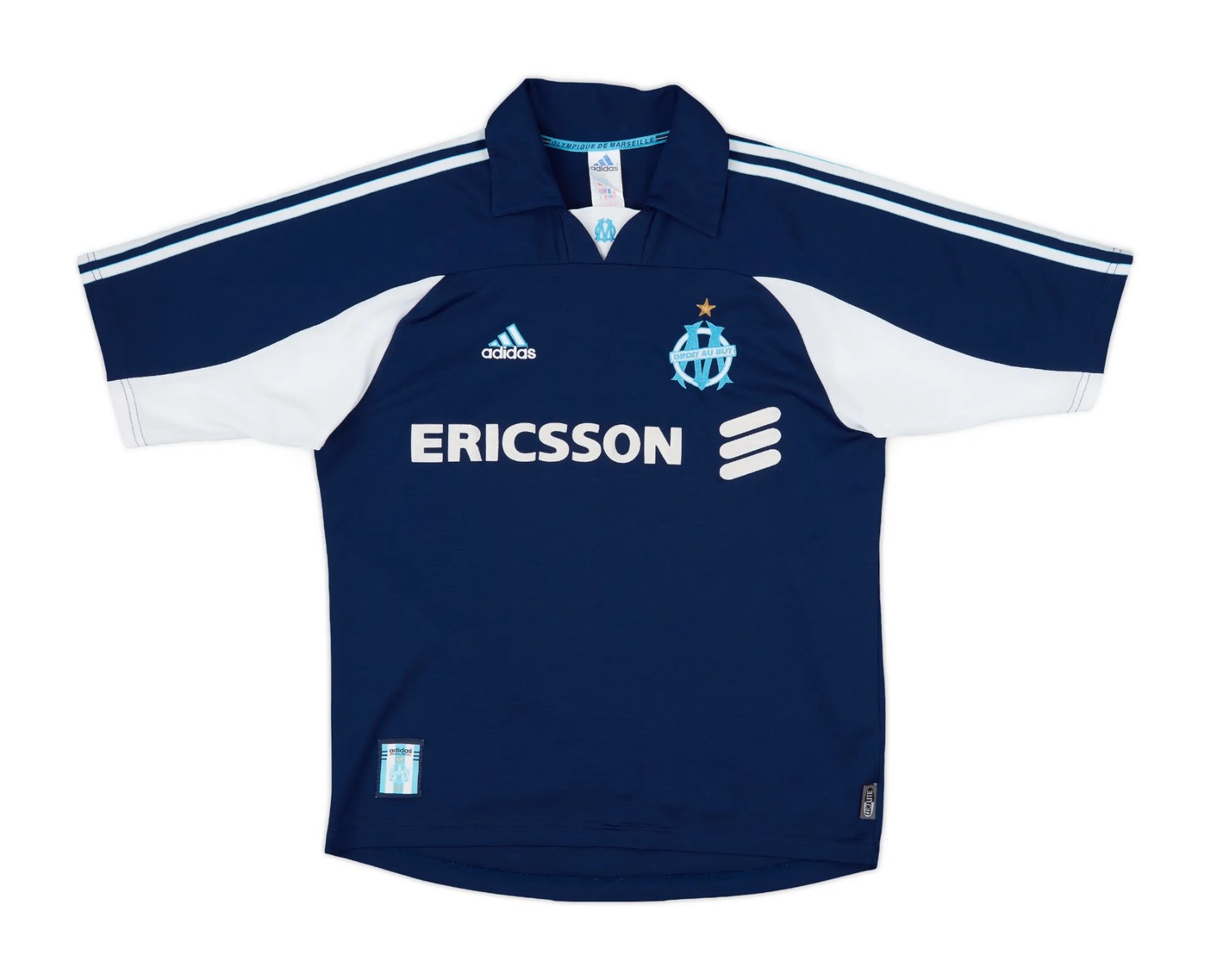
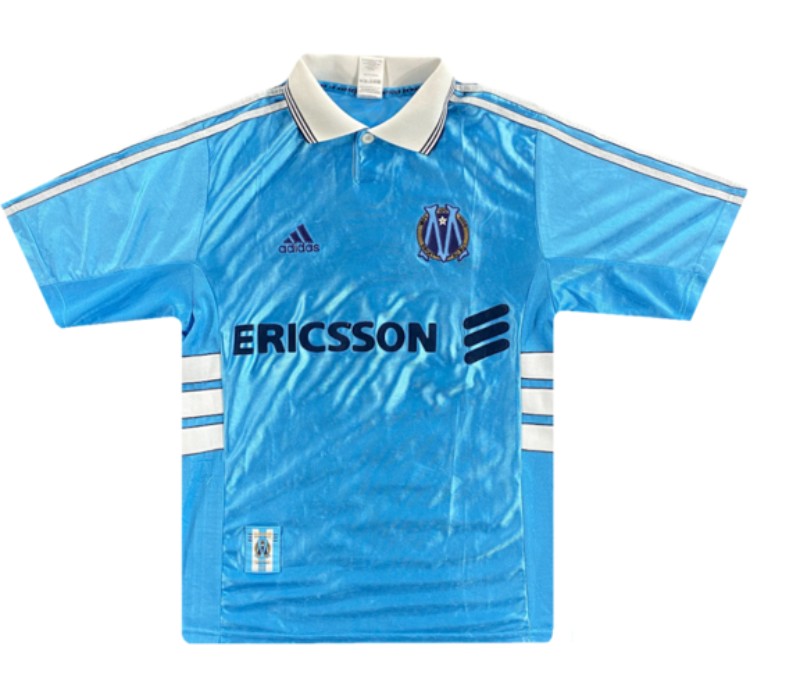
Marseille away kits from the Tapie era, typically in darker blue colourways, are significantly rarer than the home shirts and often underpriced relative to their scarcity. The contrast with the famous white home shirt has meant away examples get less attention. For collectors who want rarity, the away kits from 1988 to 1993 are worth seeking out specifically. Condition and authenticity verification are the same concerns as with the home shirts.
Sizing and condition notes
1980s and early 1990s Marseille kits use the European fit of the era: narrow and short-bodied by modern standards. Size up at least one size when buying vintage originals without trying. The white fabric on early examples is prone to yellowing: inspect any shirt described as mint condition closely, particularly around the collar and underarm areas. Post-2000 kits follow standard modern sizing and present fewer condition challenges for collectors.

2026/27
LiveHome
Away
2025/26
FinishedAug 2025 – May 2026
Home
Away
place
2024/25
FinishedJul 2024 – May 2025
Home
Away
place
2023/24
FinishedJul 2023 – May 2024
Home
Away
place
2022/23
FinishedJul 2022 – Jun 2023
Home
Away
place
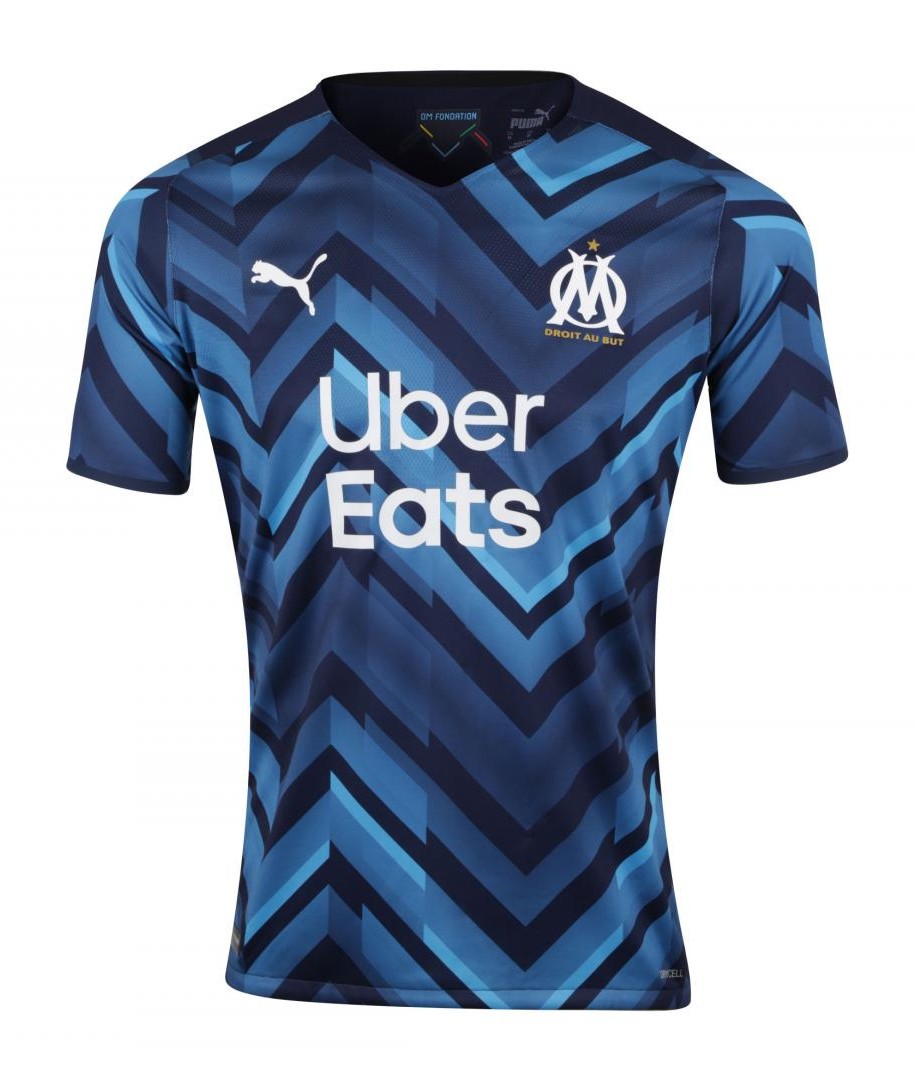
2021/22
FinishedJul 2021 – May 2022
Home
Away
place
2020/21
FinishedAug 2020 – May 2021
Home
Away
place
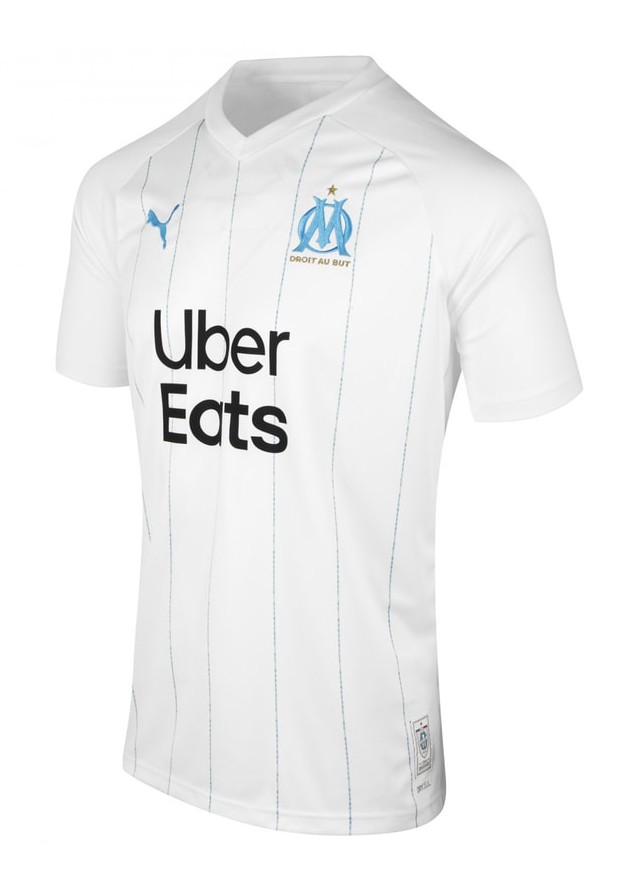
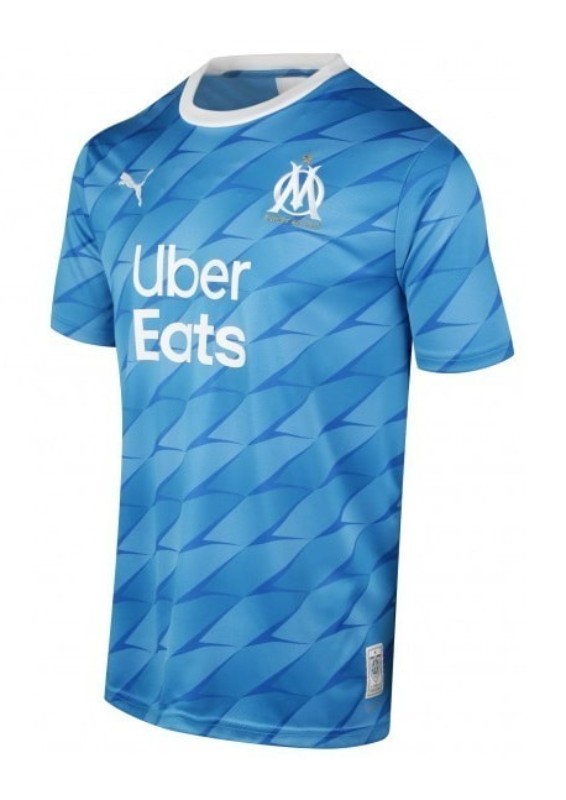
2019/20
FinishedJul 2019 – Jul 2020
Home
Away
place
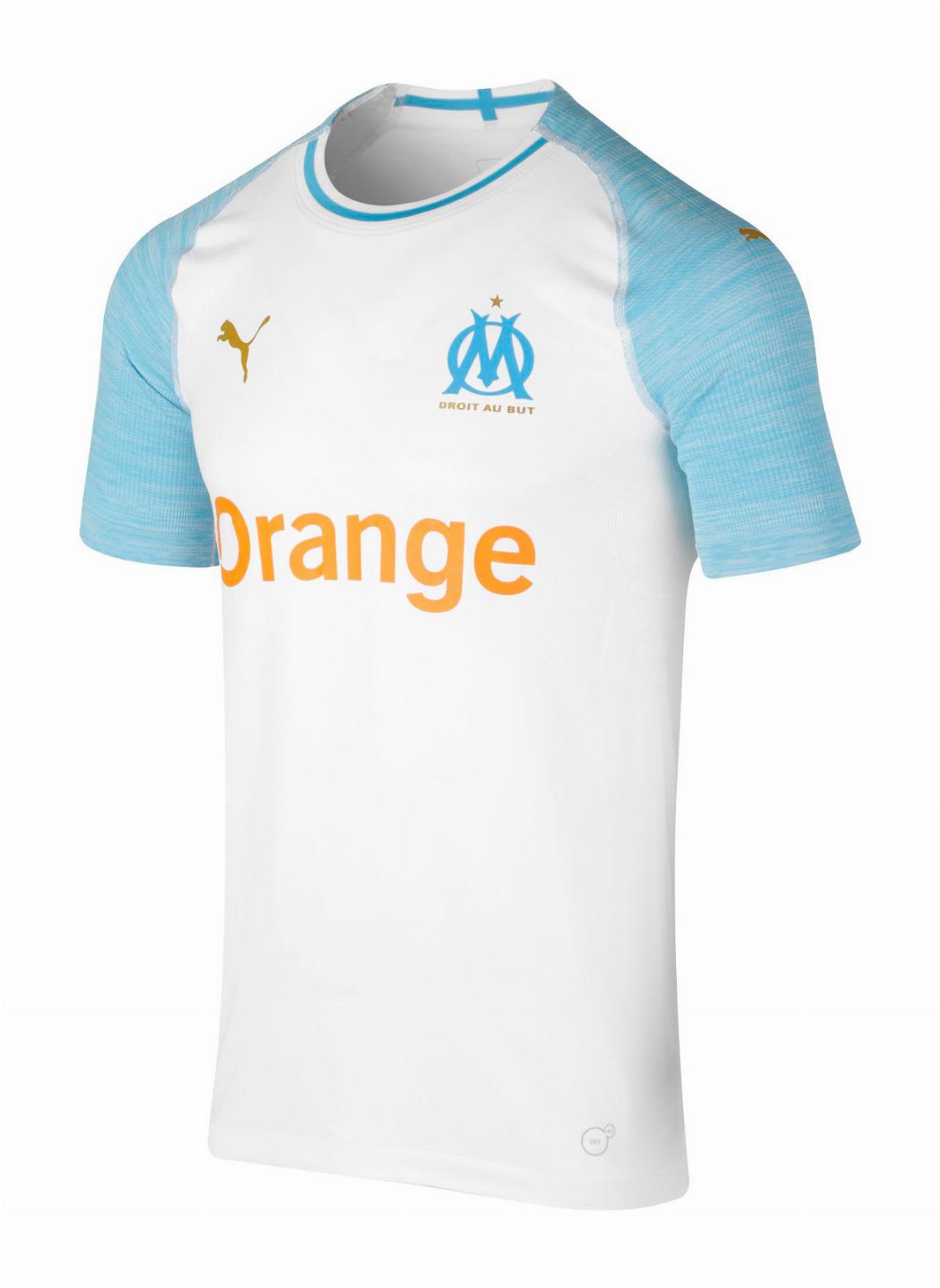
2018/19
FinishedJul 2018 – May 2019
Home
Away
place
2017/18
FinishedJul 2017 – May 2018
Home
Away
place
2016/17
FinishedJul 2016 – May 2017
Home
Away
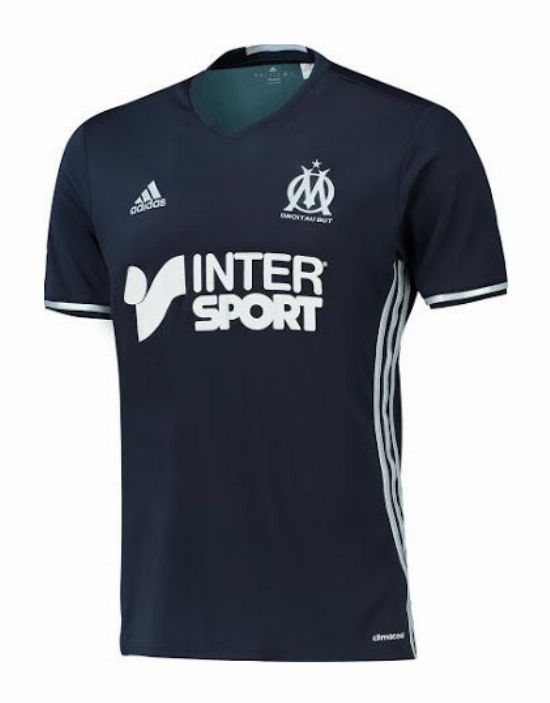
place
2015/16
FinishedJul 2015 – May 2016
Home
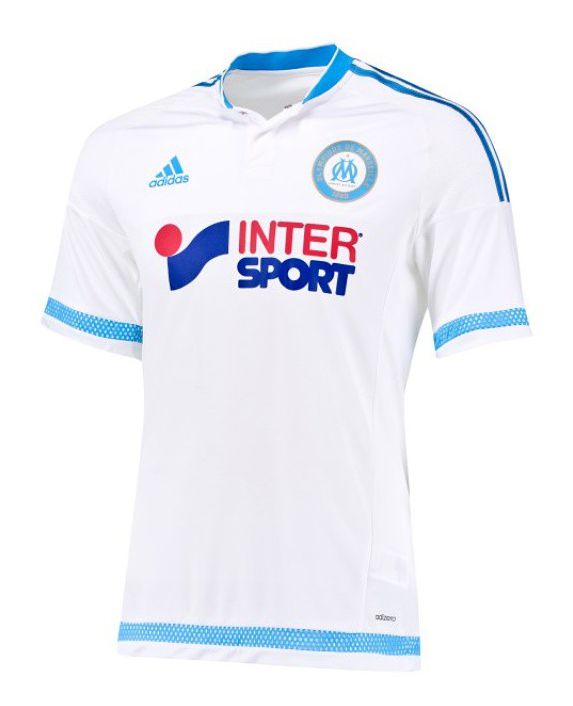
Away
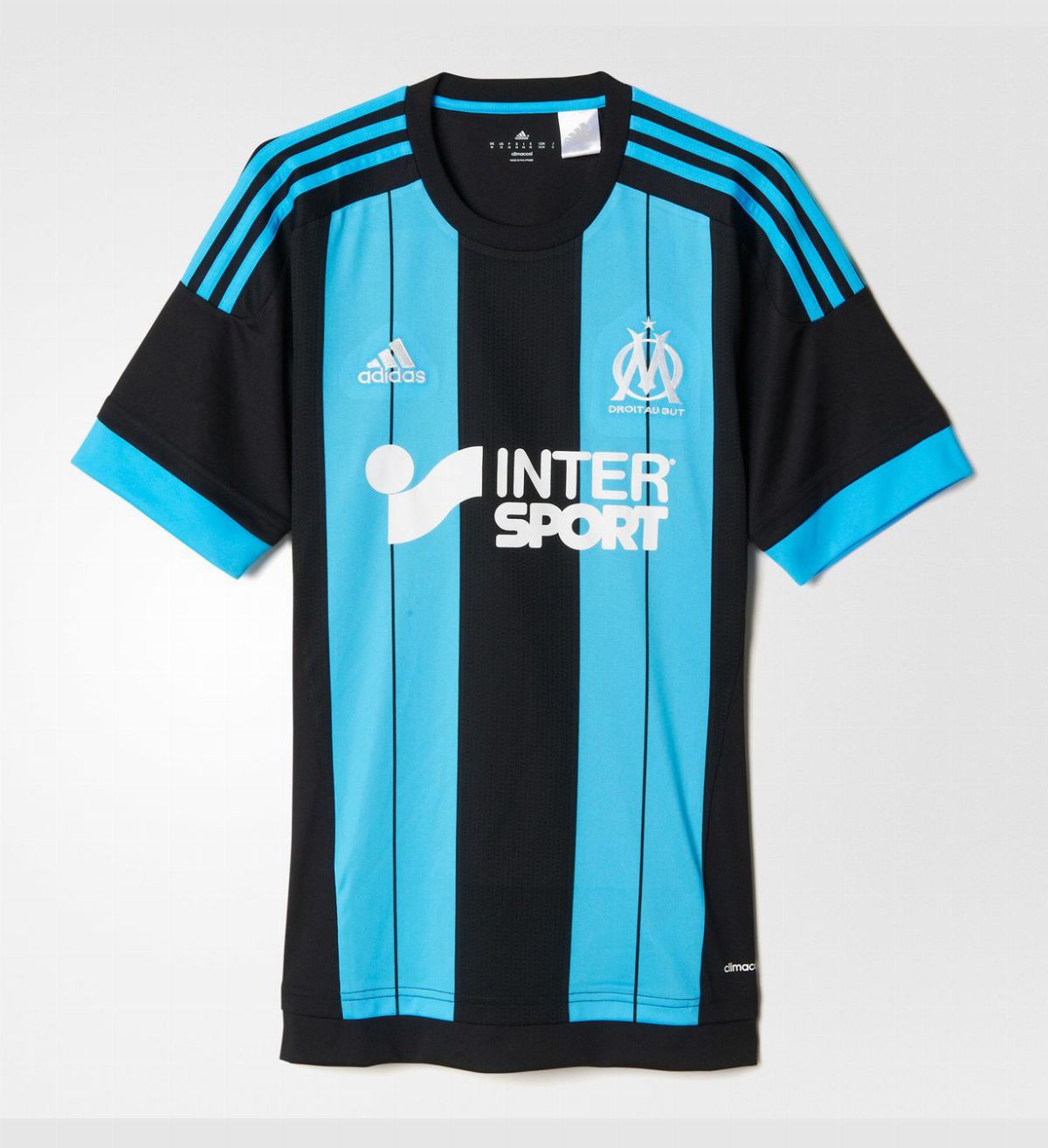
place
2014/15
FinishedJul 2014 – May 2015
Home
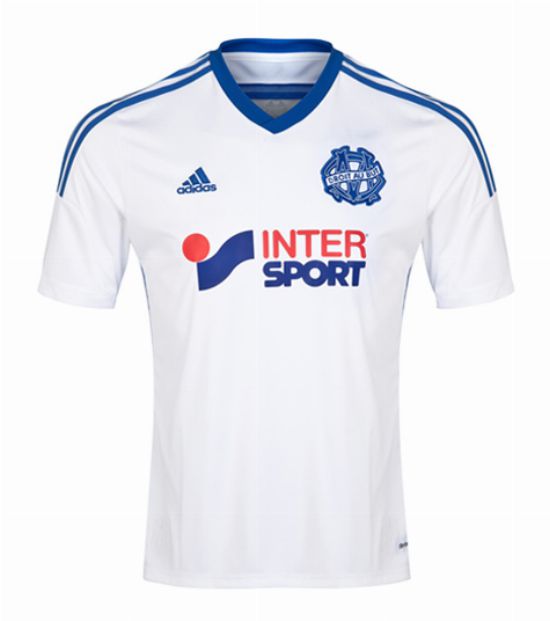
Away
place
2013/14
FinishedJul 2013 – May 2014
Home
Away
place
2012/13
FinishedJul 2012 – May 2013
Home
Away
place
2011/12
FinishedJul 2011 – May 2012
Home
Away
place
2010/11
FinishedJul 2010 – May 2011
Home
Away
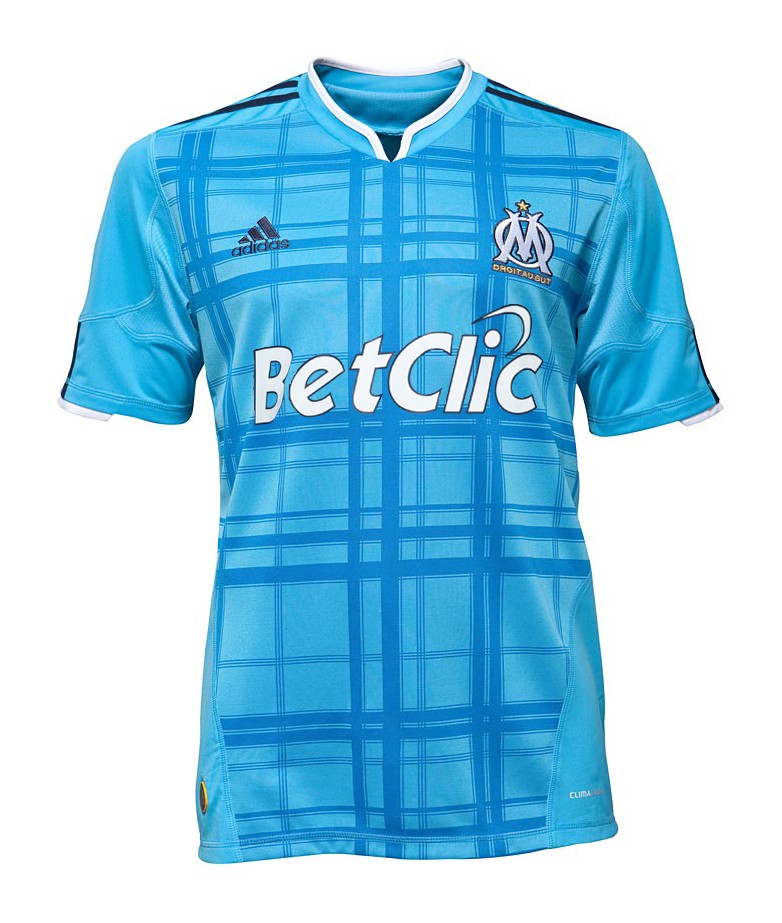
place
2009/10
FinishedHome
Away
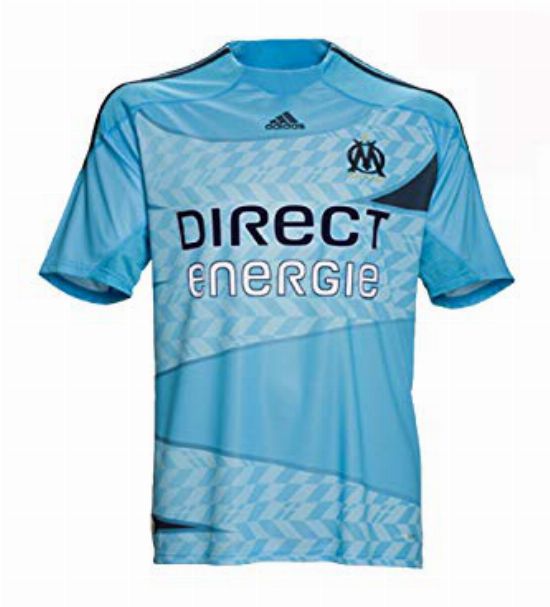
Champions
2008/09
FinishedHome
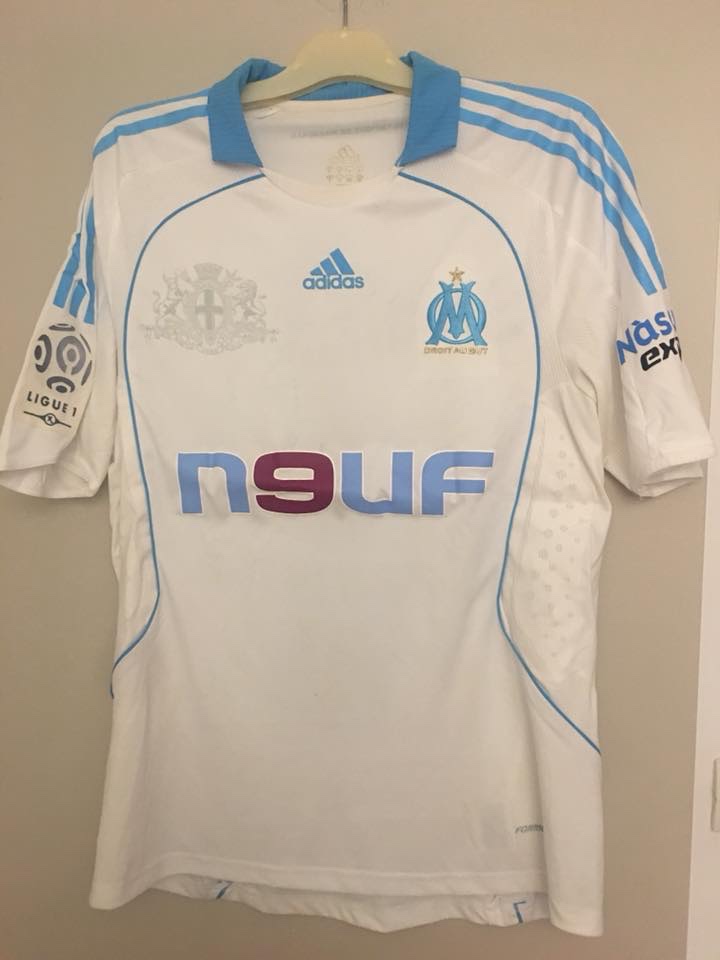
Away
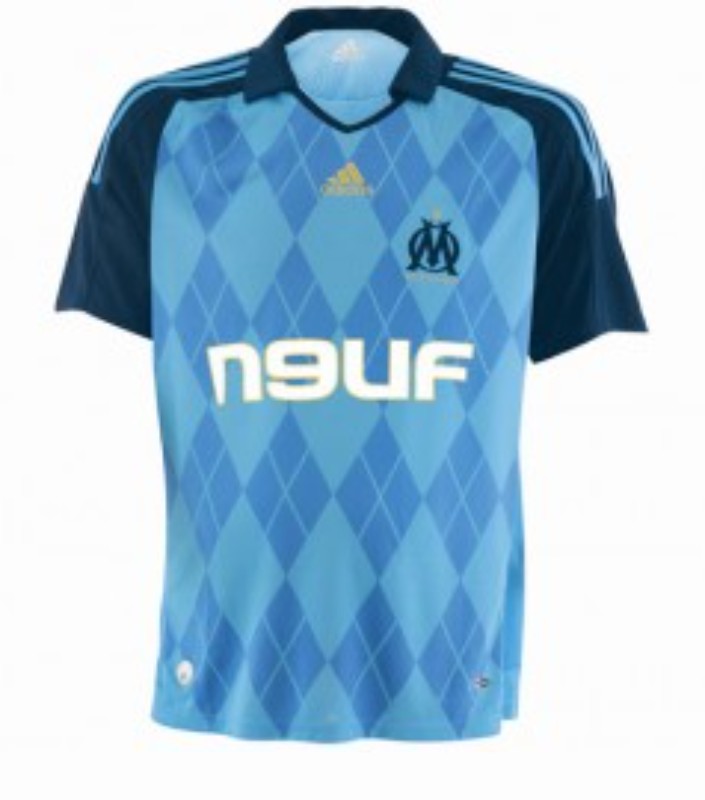
place
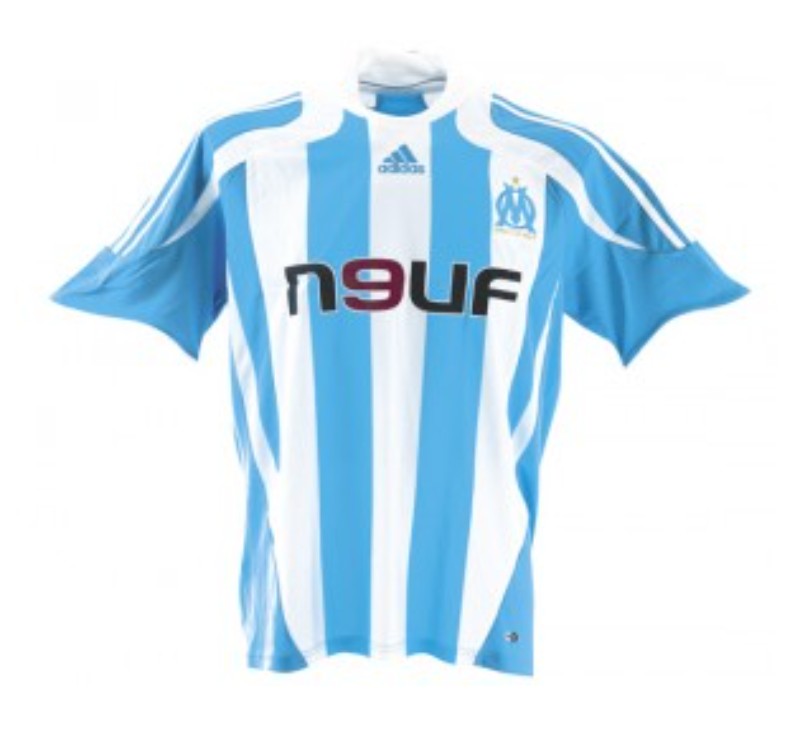
2007/08
FinishedHome
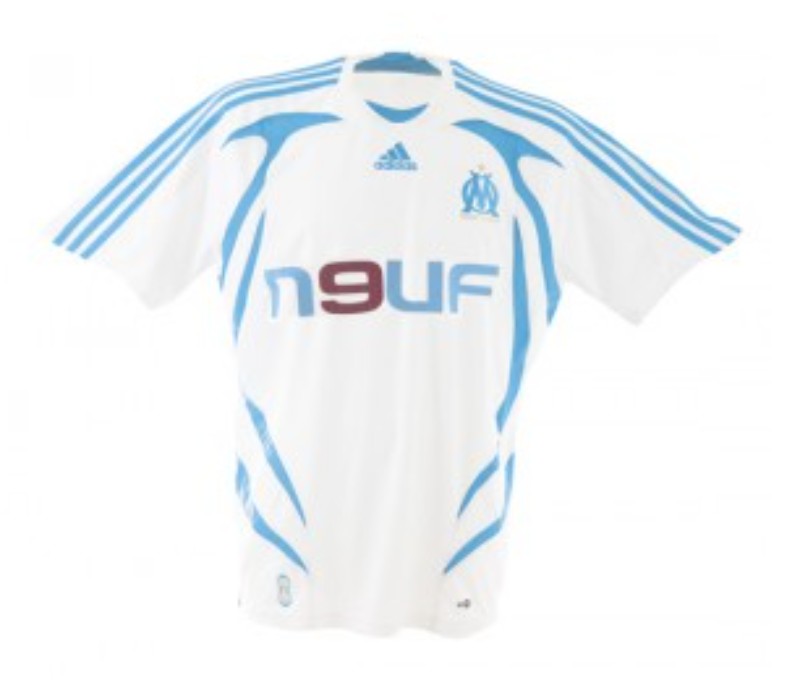
Away
place
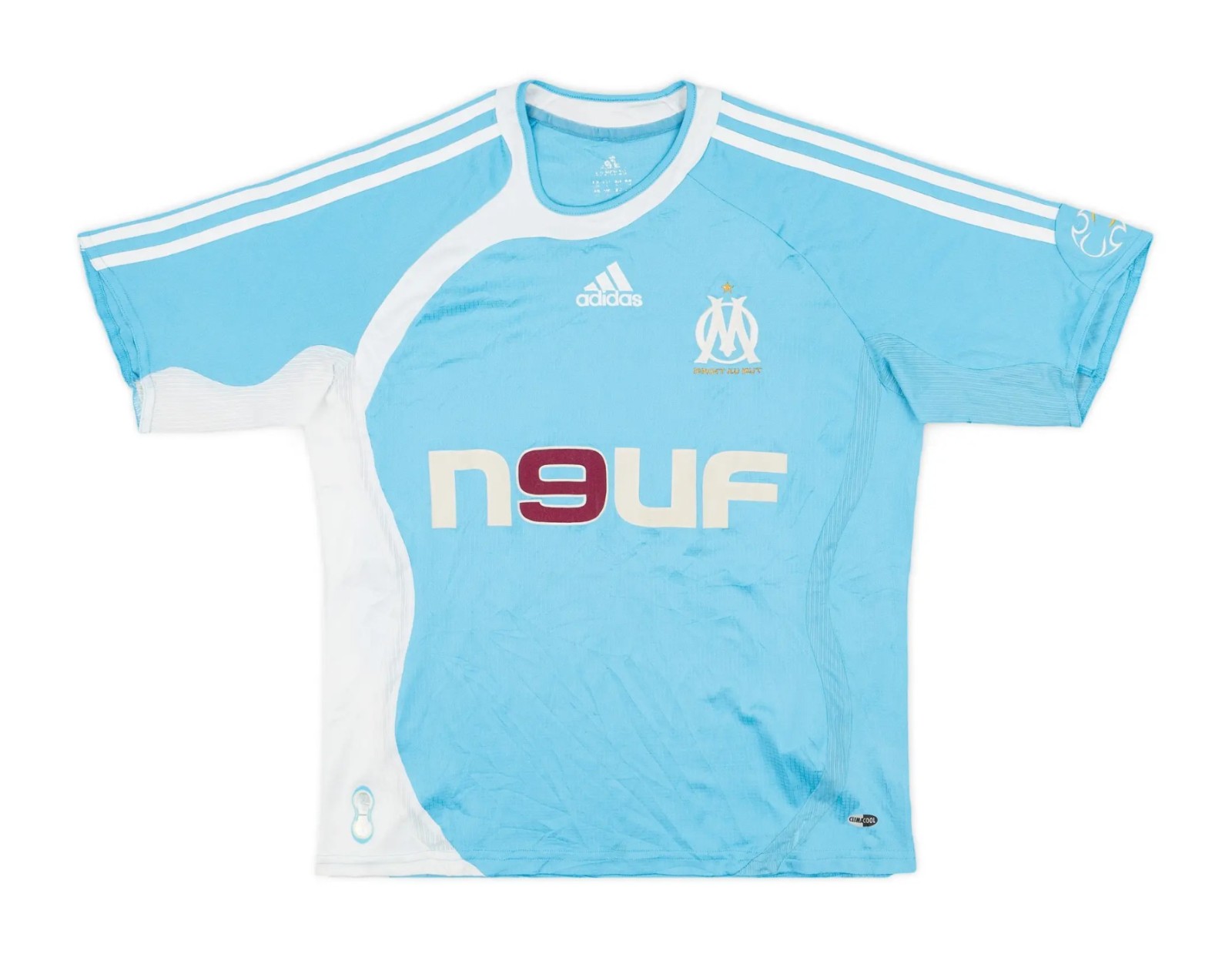
2006/07
FinishedHome
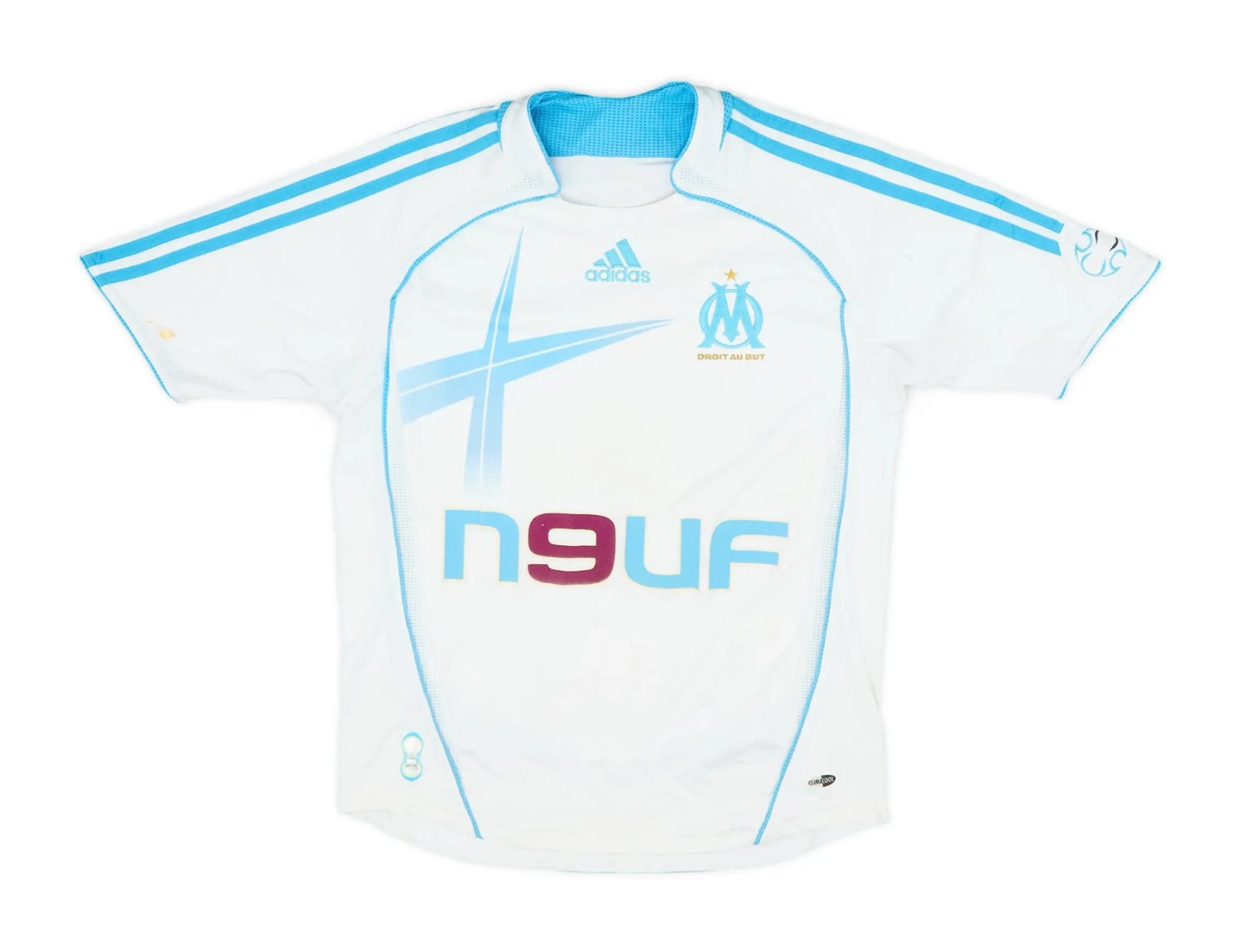
Away
place
2005/06
FinishedHome
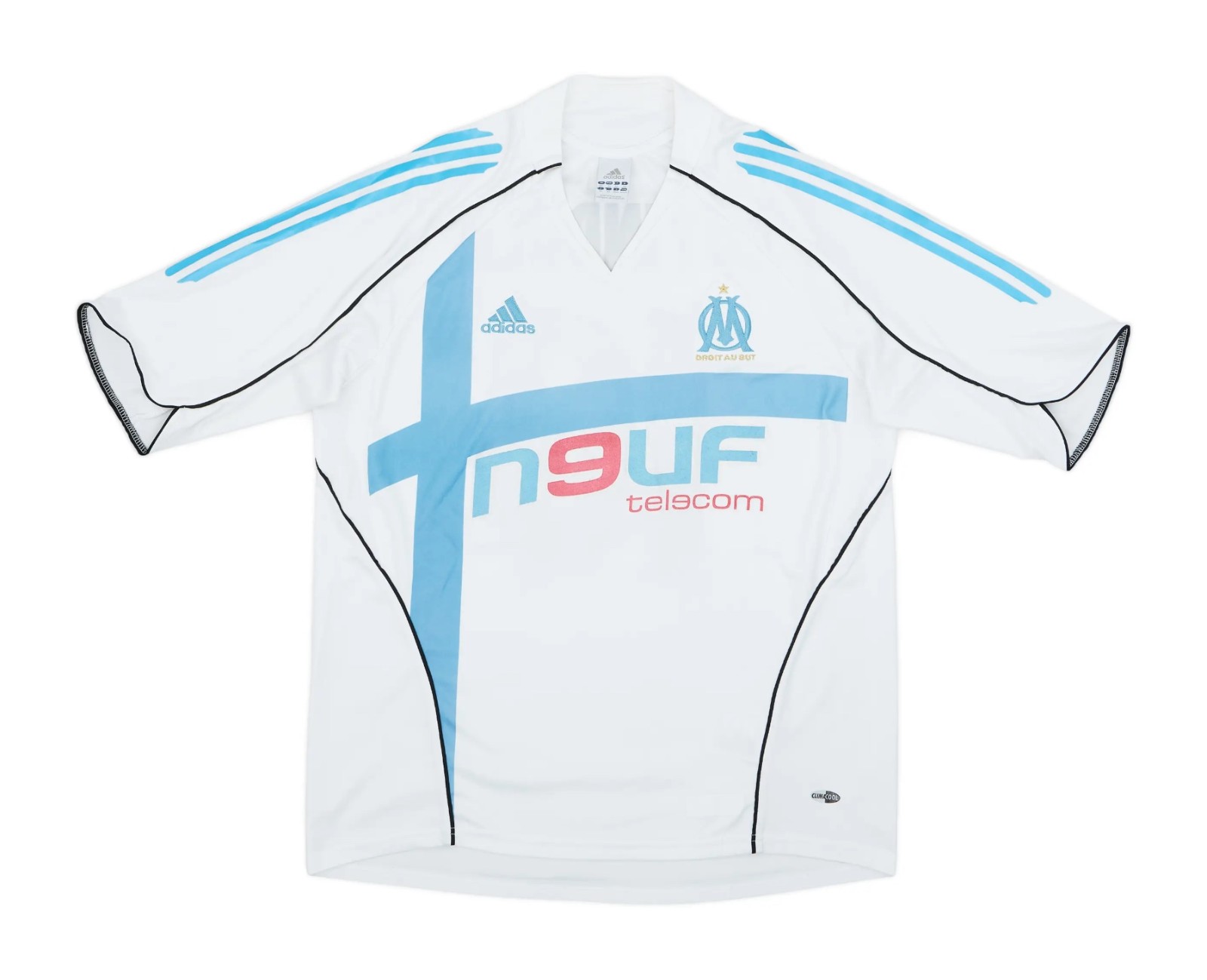
Away
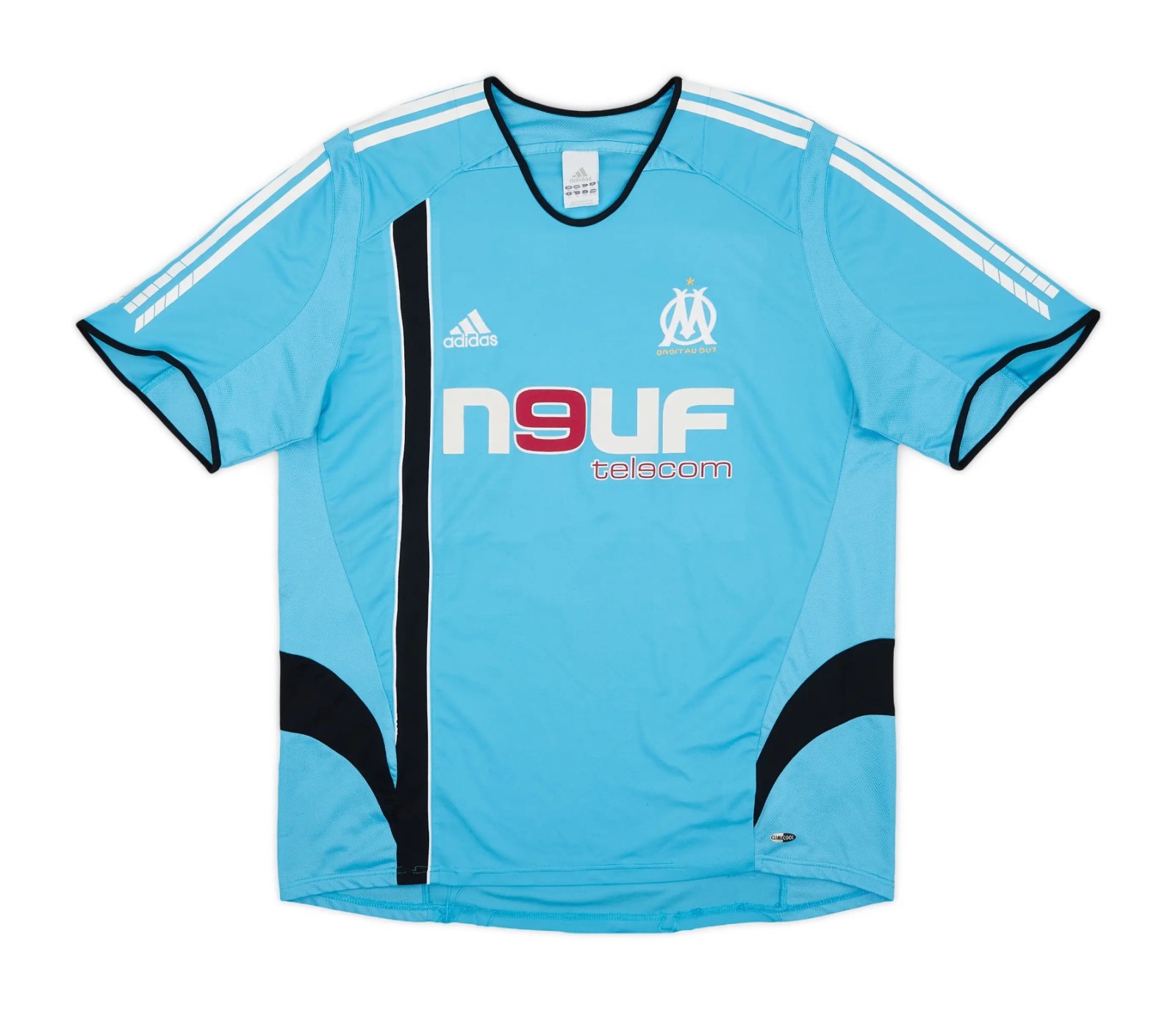
place
2004/05
FinishedHome
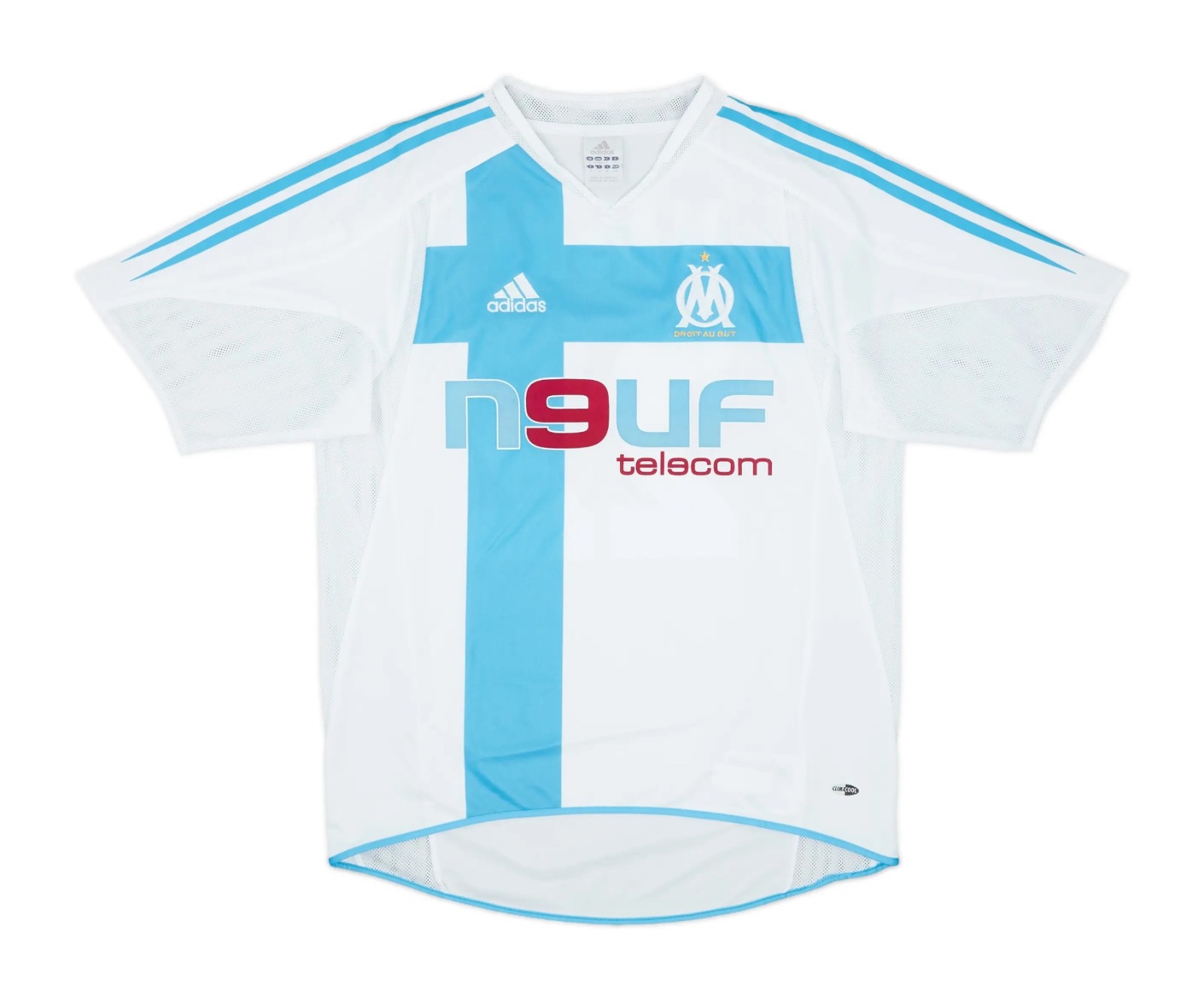
Away
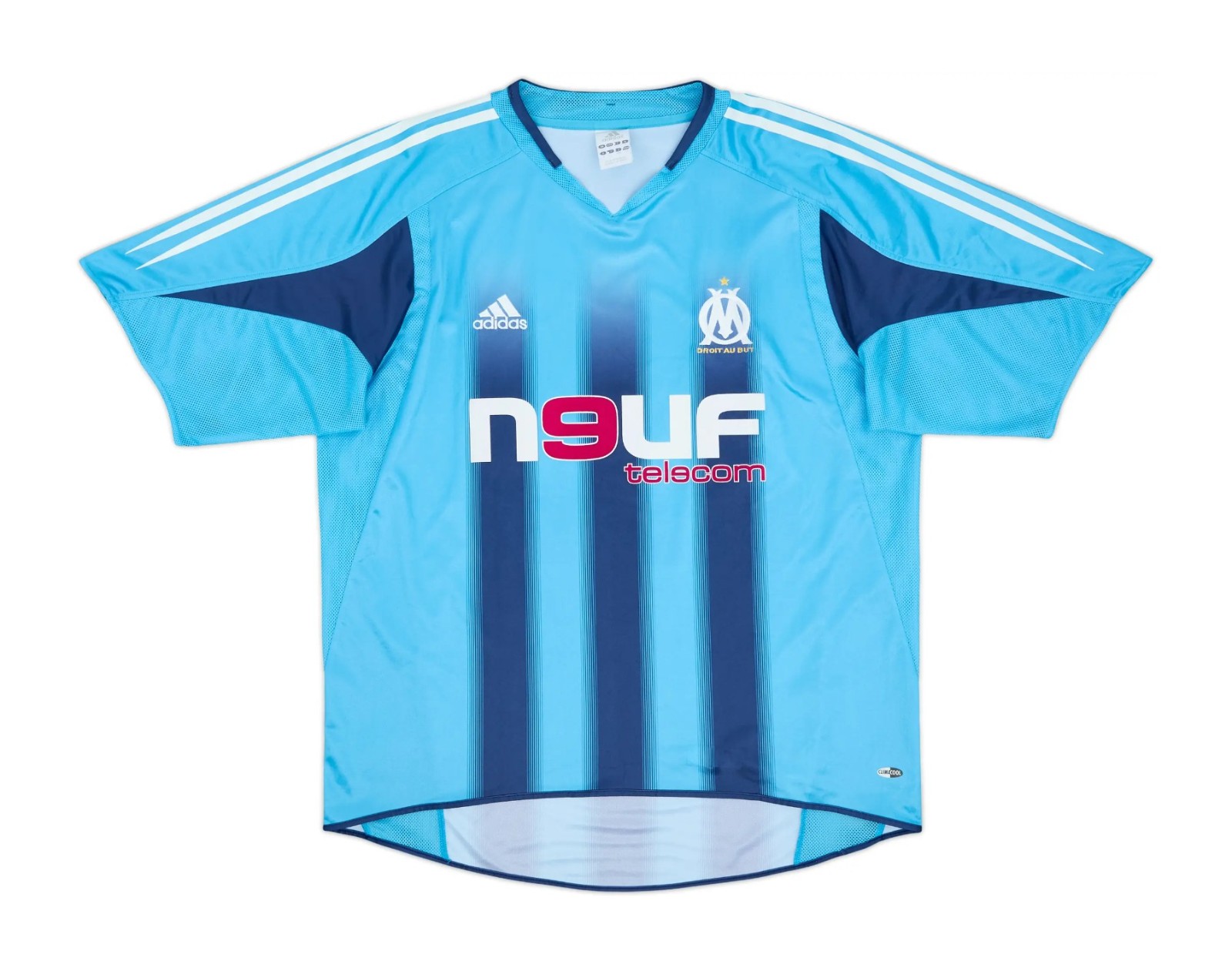
place
2003/04
FinishedHome
Away
place
2002/03
FinishedHome
Away
place
2001/02
FinishedHome
Away
place
2000/01
FinishedHome
Away
place
1999/00
FinishedHome
Away
place
1998/99
FinishedHome
Away
place
1997/98
FinishedHome
Away
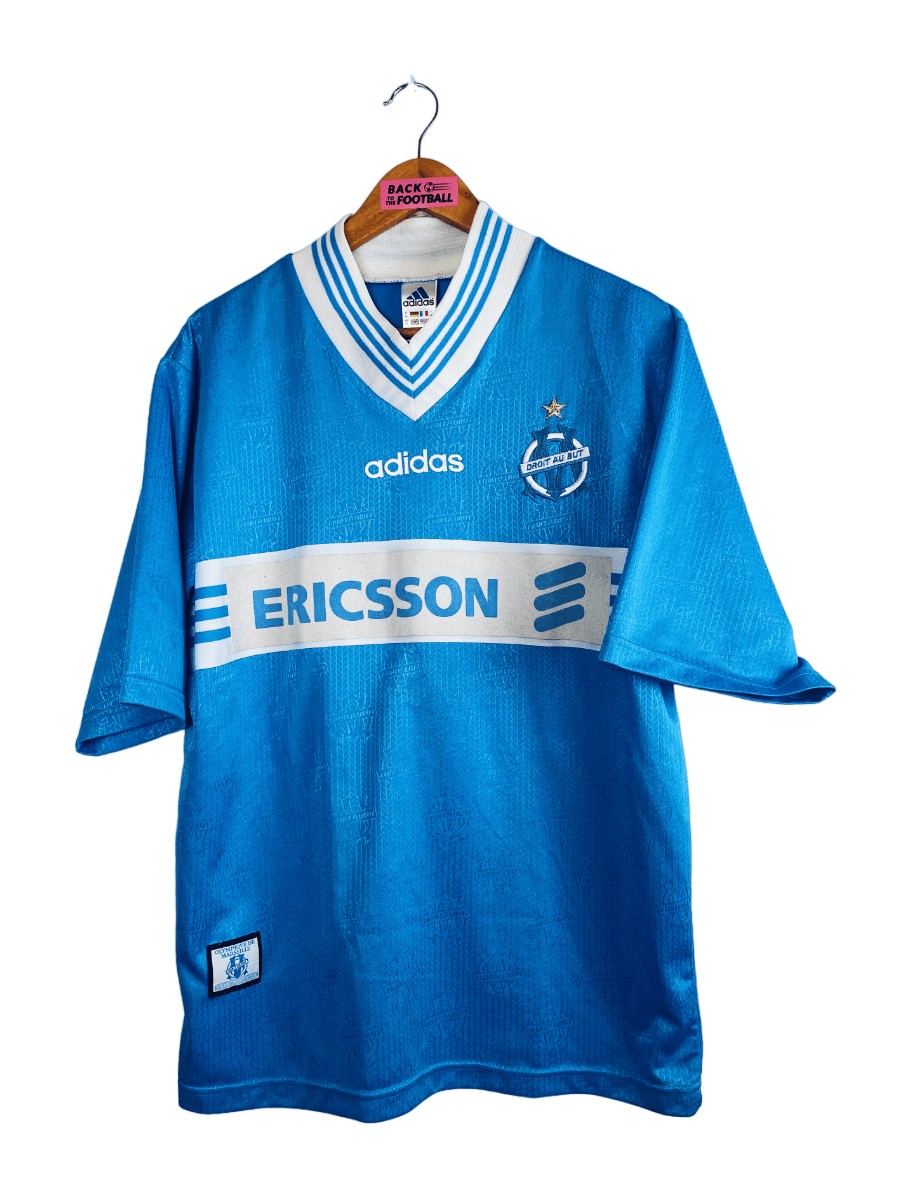
place
1996/97
FinishedHome
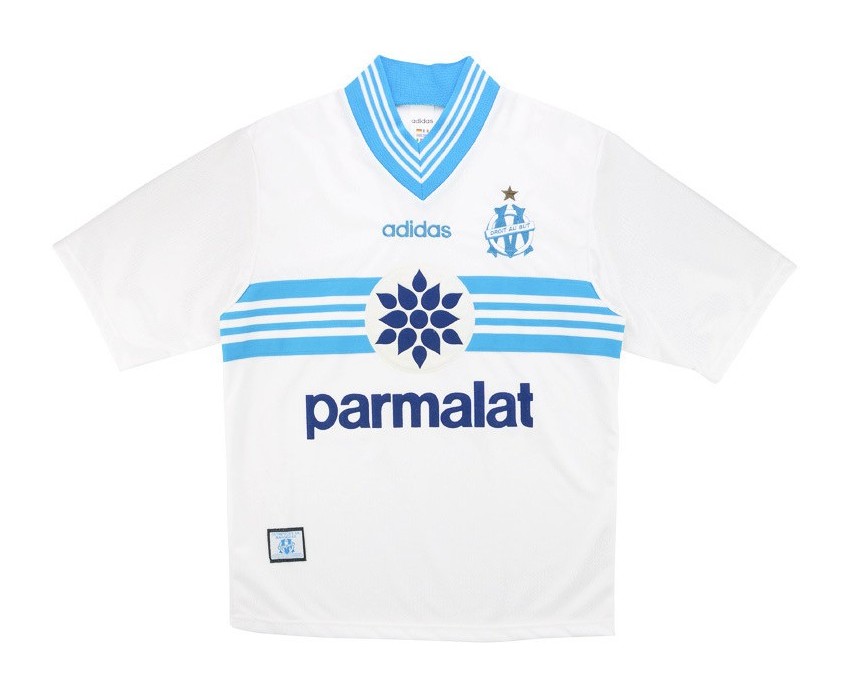
Away
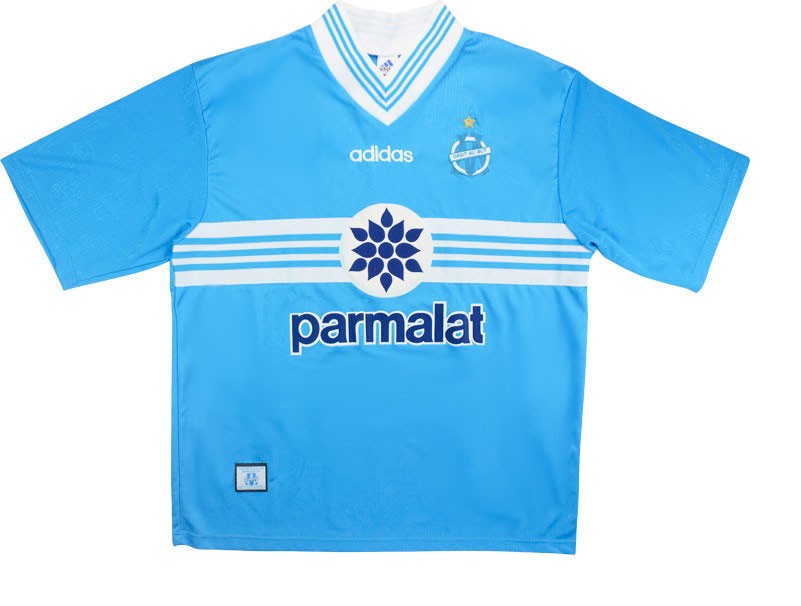
place