Est. 1973 · Montebelluna, Italy · AC Milan, Juventus, the Stadio boot
Lotto.
Treviso. San Siro. The Stadio.
Founded in 1973 in Montebelluna, in the Treviso province of Veneto, Lotto built its identity on two things: the Stadio boot, one of the most recognisable Italian football boots of the 1990s, and five seasons supplying AC Milan through one of the strongest periods in the club's history. Weah, Maldini, Baresi. The 1994 Champions League final. 1,474 Lotto kits in the ShirtSociety archive.

From Montebelluna to San Siro
1973 · Treviso province · Shoes first, kits second
Lotto Sport Italia was founded in 1973 in Montebelluna, a town in the Treviso province of Veneto best known as the heart of Italy's sports footwear industry. The region produces a significant share of the world's ski boots, cycling shoes, and football boots, and Lotto was part of that manufacturing culture from the start.
Football kits followed the footwear business rather than the other way around. When Lotto moved into kit manufacturing, the AC Milan partnership gave the brand a profile that no domestic competitor could match. The combination of the Stadio boot and the Milan shirts made the 1990s the defining decade for the brand, commercially and historically.
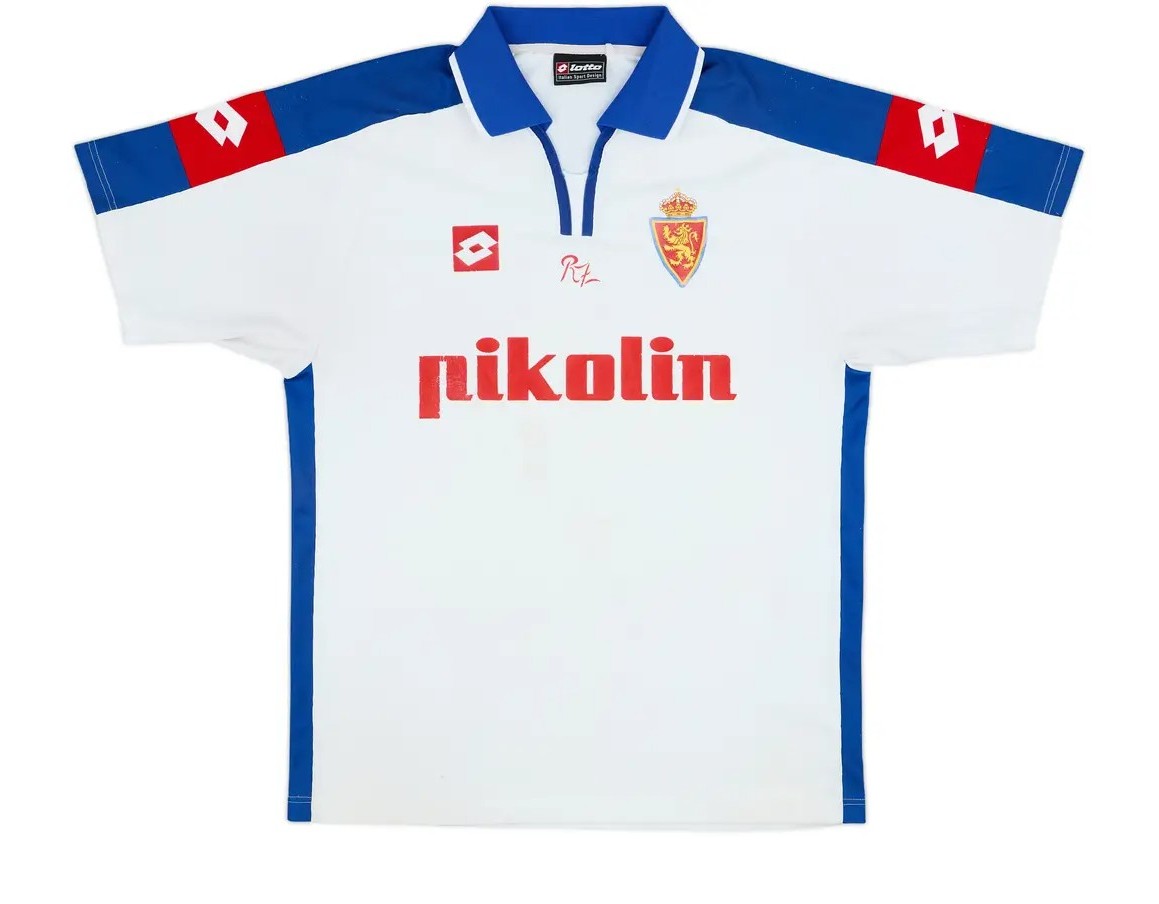
For collectors, the geography matters. Treviso FC is among the most represented clubs in the Lotto archive on ShirtSociety, which makes sense given the brand's local roots. When a manufacturer supplies its home city's club, the kits carry a different weight than a commercial deal between strangers.
Lotto's archive in the Italian lower leagues is extensive: Genoa, Fiorentina, Treviso, Avellino, and dozens of others across Serie B and C. Kappa, Diadora, and later Macron occupied similar territory, so Lotto was competing in a crowded domestic market rather than owning it — but the brand's presence across several decades of Italian club football is substantial.
AC Milan: five seasons in the Lotto shirt
1993–94 to 1997–98 · Weah · Maldini · Baresi · The 1994 Champions League
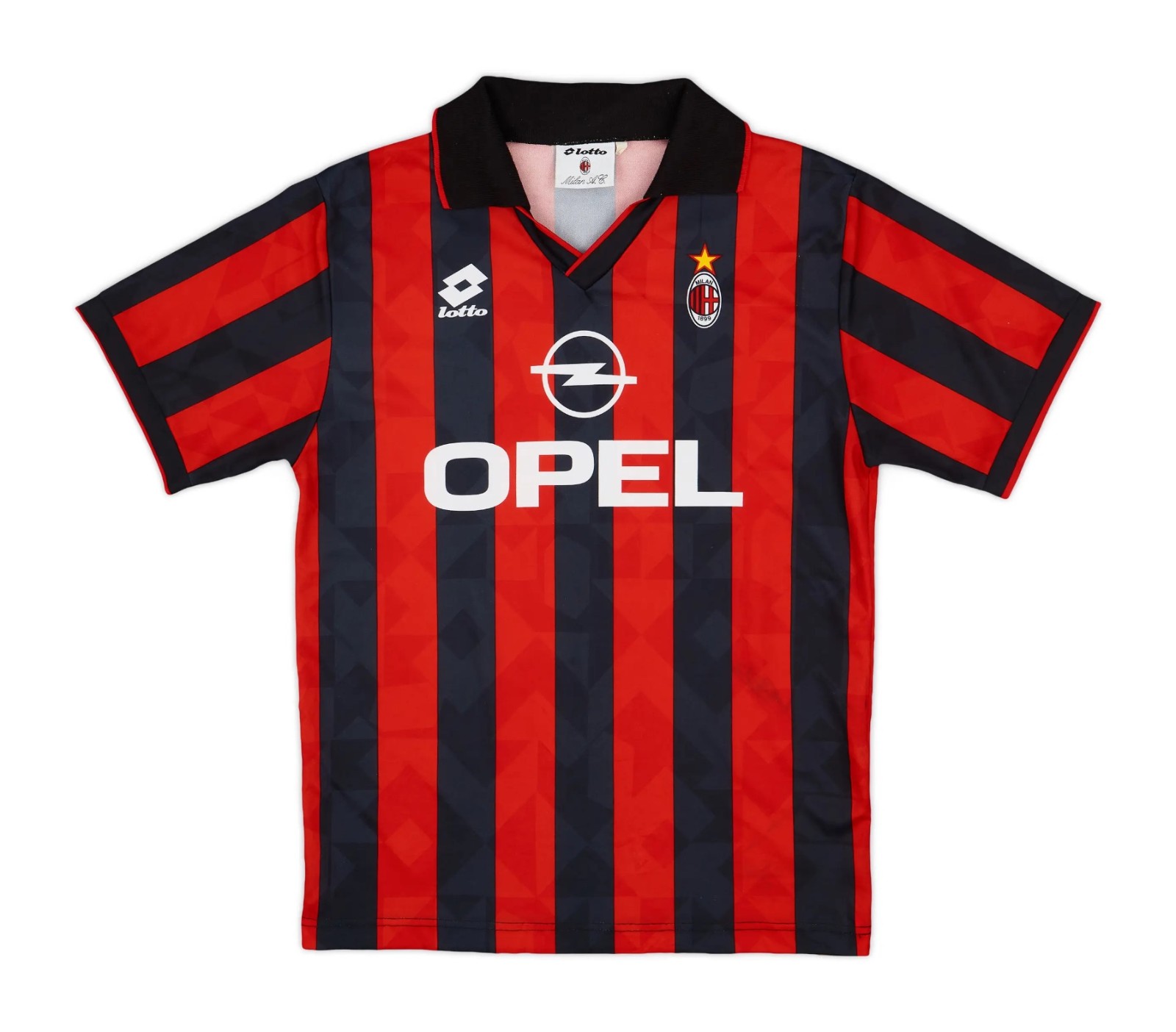
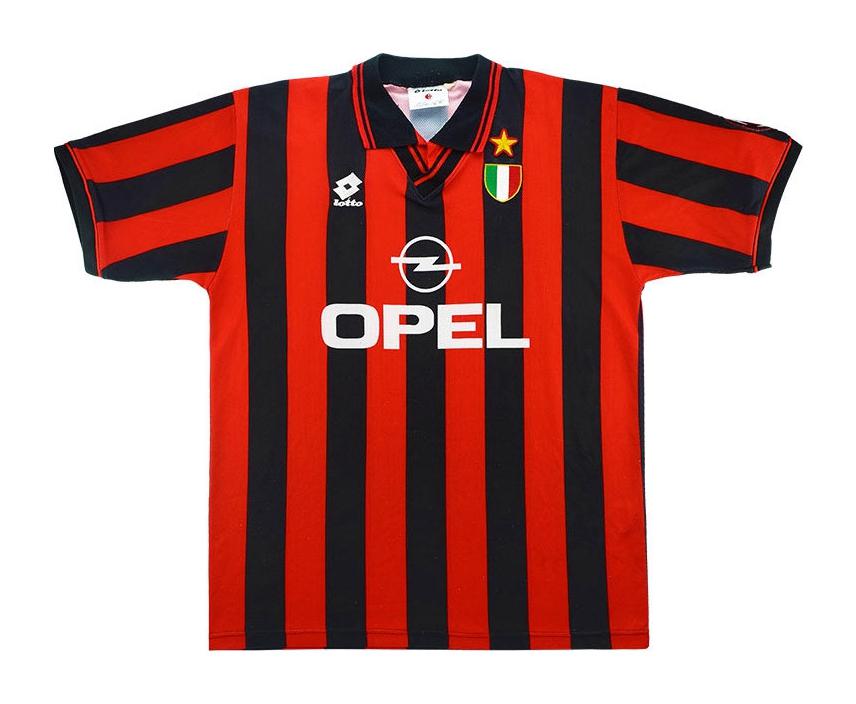
Lotto's partnership with AC Milan ran from the 1993/94 season to 1997/98. Five seasons. In the first of them, on 18 May 1994 in Athens, Milan beat Barcelona 4–0 in the Champions League final. The shirts worn that night are Lotto. The partnership also covered Scudetto campaigns and a Coppa Italia win, across two separate stints under Capello and a return by Sacchi — a period that brought Milan multiple honours, not just the one final.
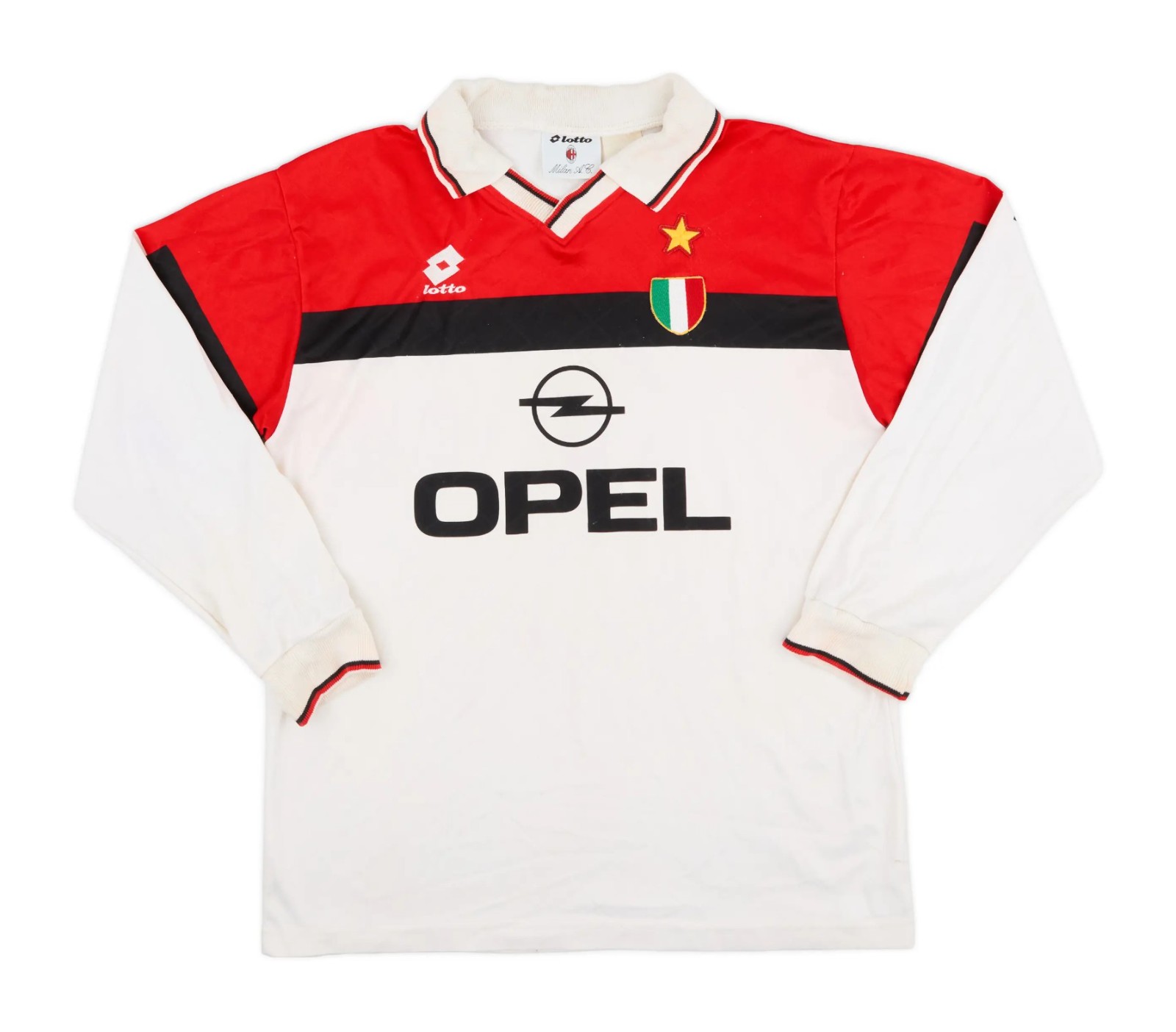
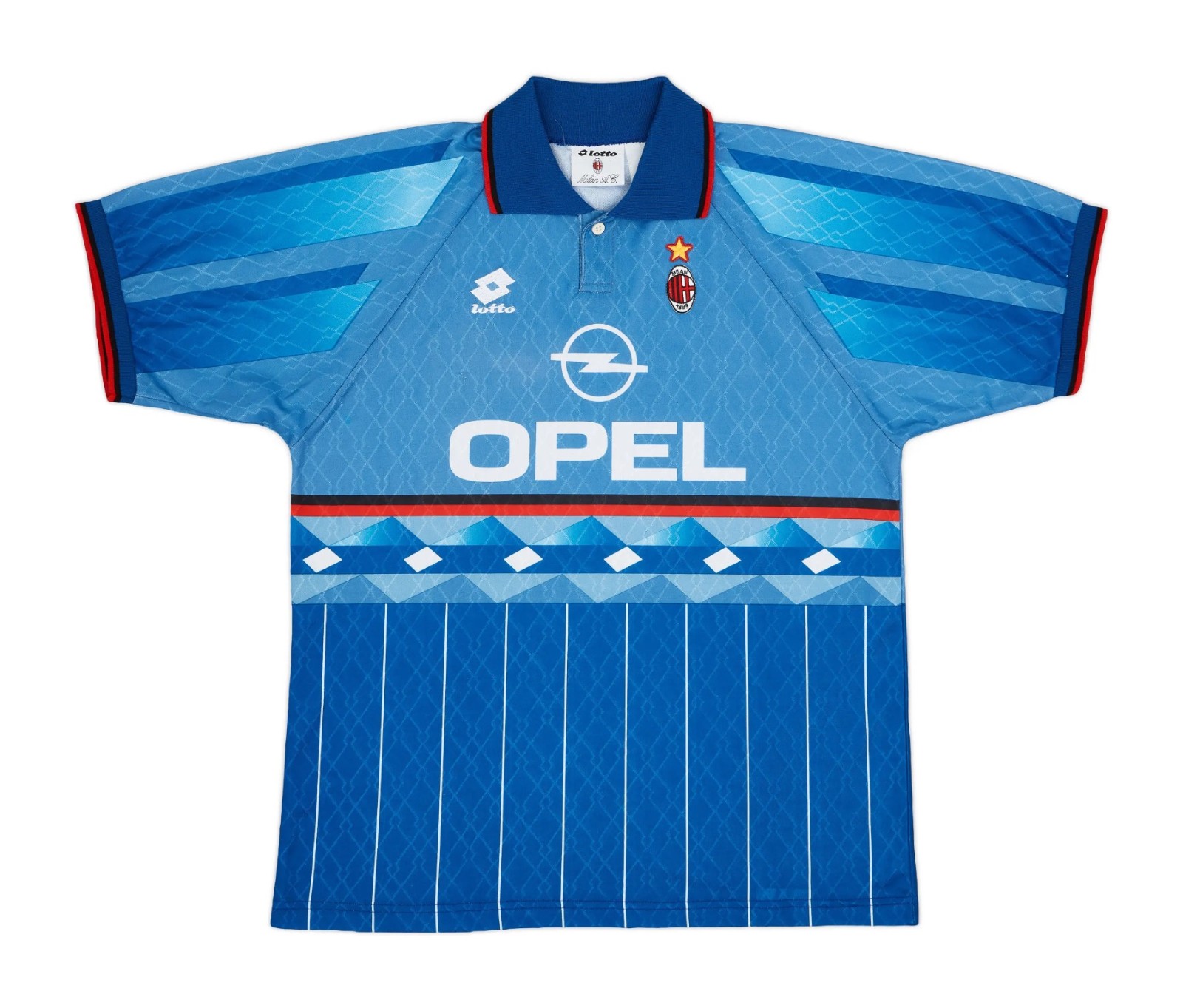
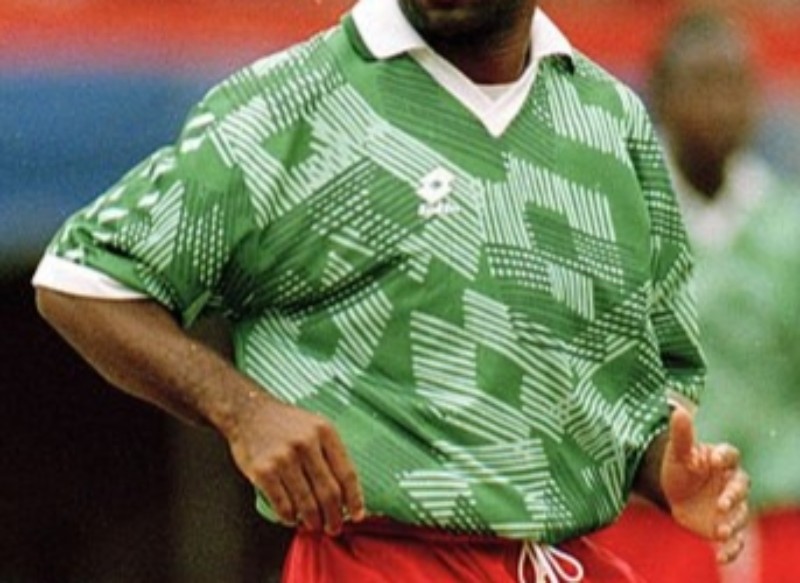
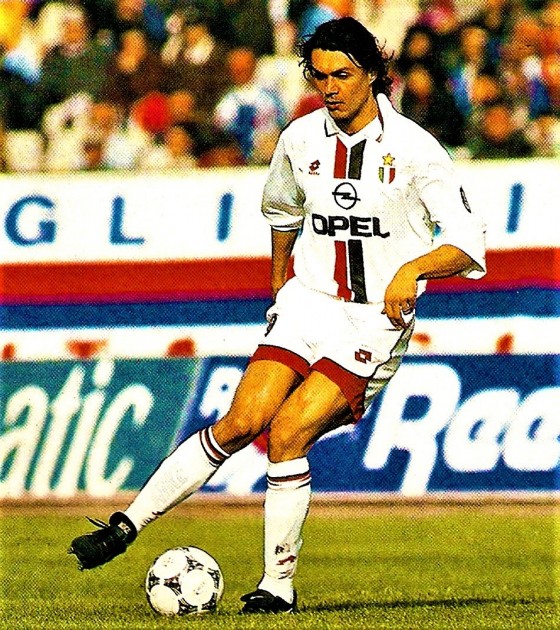
The core of that side — Paolo Maldini, Franco Baresi, Demetrio Albertini, Zvonimir Boban — wore Lotto across the Capello and Sacchi years. George Weah, who became the first and so far only African player to win the Ballon d'Or, spent three seasons in the Lotto Milan shirt: 1995/96, 1996/97, and 1997/98. The away kit from 1996/97 is among the most recognisable of the era.
For collectors, the five Milan home kits from this period represent the heart of the Lotto archive. The 1993/94 home shirt, worn in the Champions League final in its debut season, is the most storied of the run. Player-issue versions from this era are rare and expensive; they surface occasionally through auction, but the price reflects it.
Browse AC Milan kits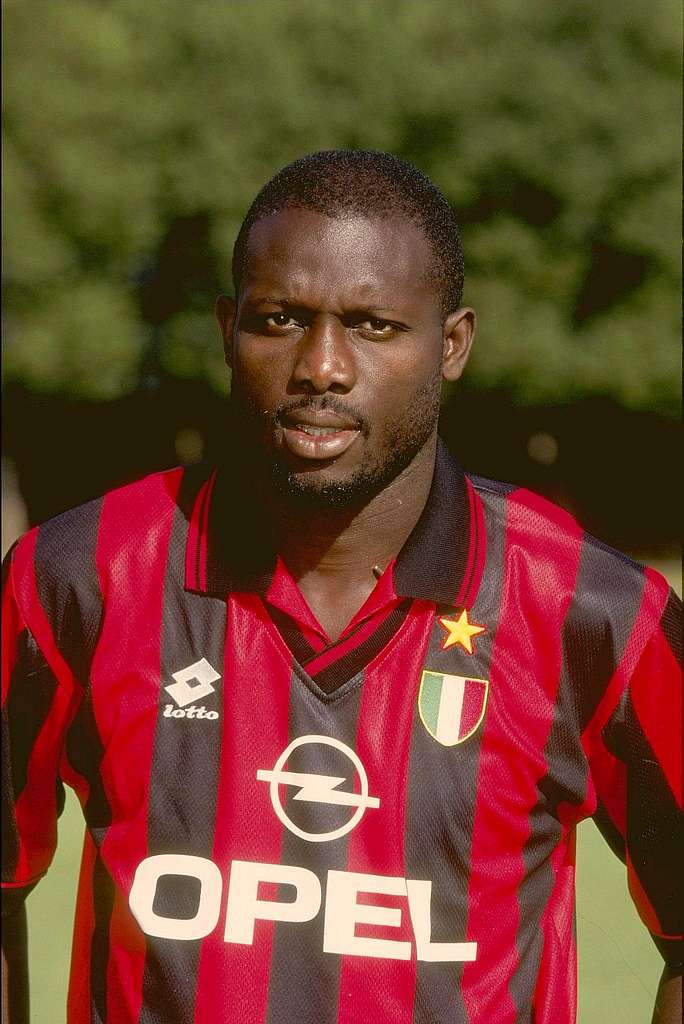
The Stadio: Lotto's most important product
The Stadio boot · 1994 World Cup · Italian leather · A rival to the Puma King in the Italian market
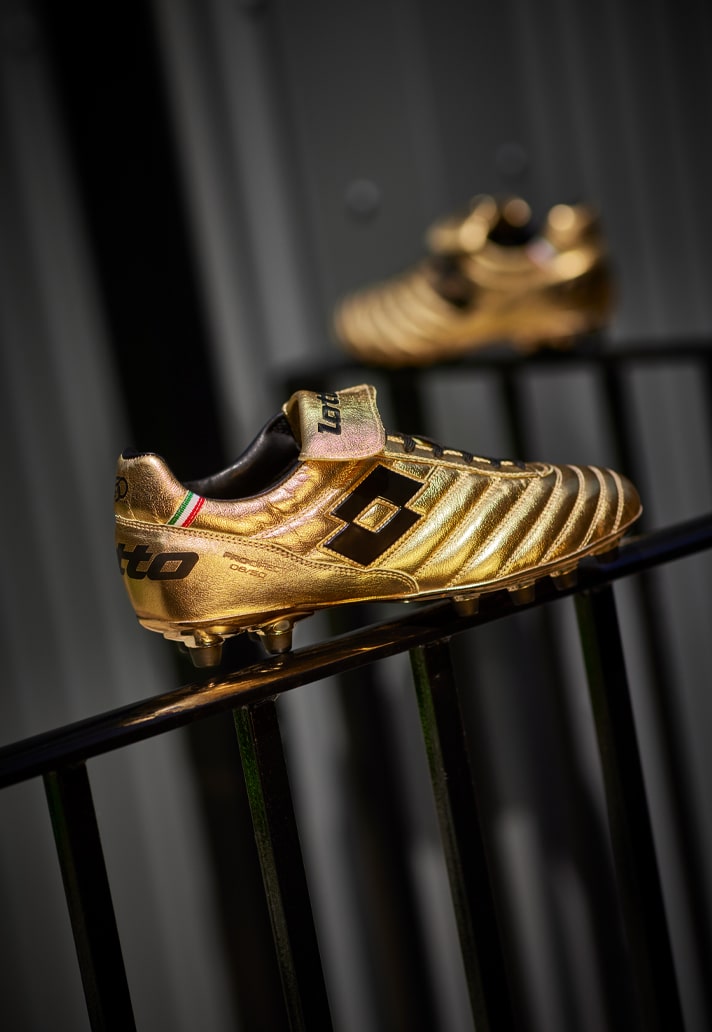
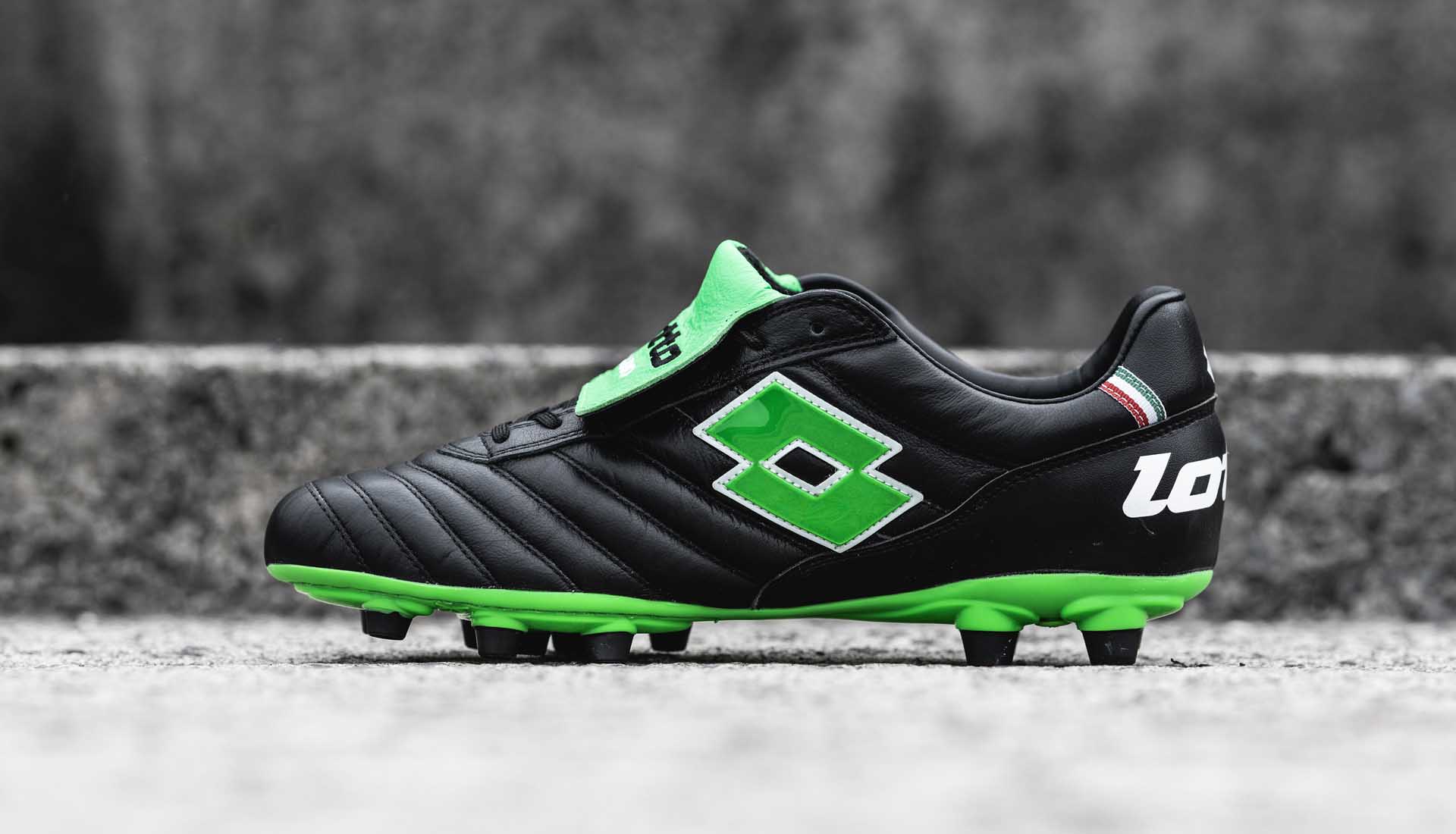
The Lotto Stadio is the brand's most important product. In Italy, it occupied a similar market position to the Puma King or the Adidas Copa Mundial elsewhere: a low-cut, soft-leather boot built for feel and ball contact, associated with a generation of Italian forwards and midfielders from the late 1980s through the 1990s.
The 1994 World Cup in the United States gave the Stadio significant visibility. Italy reached the final, and Lotto-contracted players wore the boot across the tournament — though players at USA '94 chose boots from multiple brands, as was standard for the era. For a brand whose profile was primarily domestic, that exposure mattered.
The Stadio was reissued for its 50th anniversary, bringing renewed attention to the original design. Original 1990s pairs in good condition now attract serious attention from both boot collectors and football memorabilia collectors. The connection between the boot and the Milan shirts makes original Stadio pairs from the Lotto-Milan era particularly sought after.
Juventus, Germany, and the wider archive
Juventus in the early 2000s · Edgar Davids · Gladbach · Mainz · The lower leagues
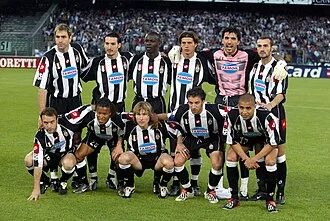
After the Milan years, Lotto's most visible partnership was with Juventus across the late 1990s and into the early 2000s. The squad included Del Piero, Nedvěd, Trezeguet, and a midfield anchored by Edgar Davids, who became one of the most recognisable figures of that era: the dreadlocks, the protective glasses required after eye surgery in 1999, the pressing game that defined Juventus's rhythm. Davids is the face most associated with the Lotto-Juventus years in images, though the partnership covered a full squad of prominent players.
Germany became a significant market in the 2000s and 2010s. Borussia Mönchengladbach wore Lotto for several seasons, giving the brand a presence in one of the Bundesliga's most supported clubs. Mainz 05 continued the German partnership into the 2010s.
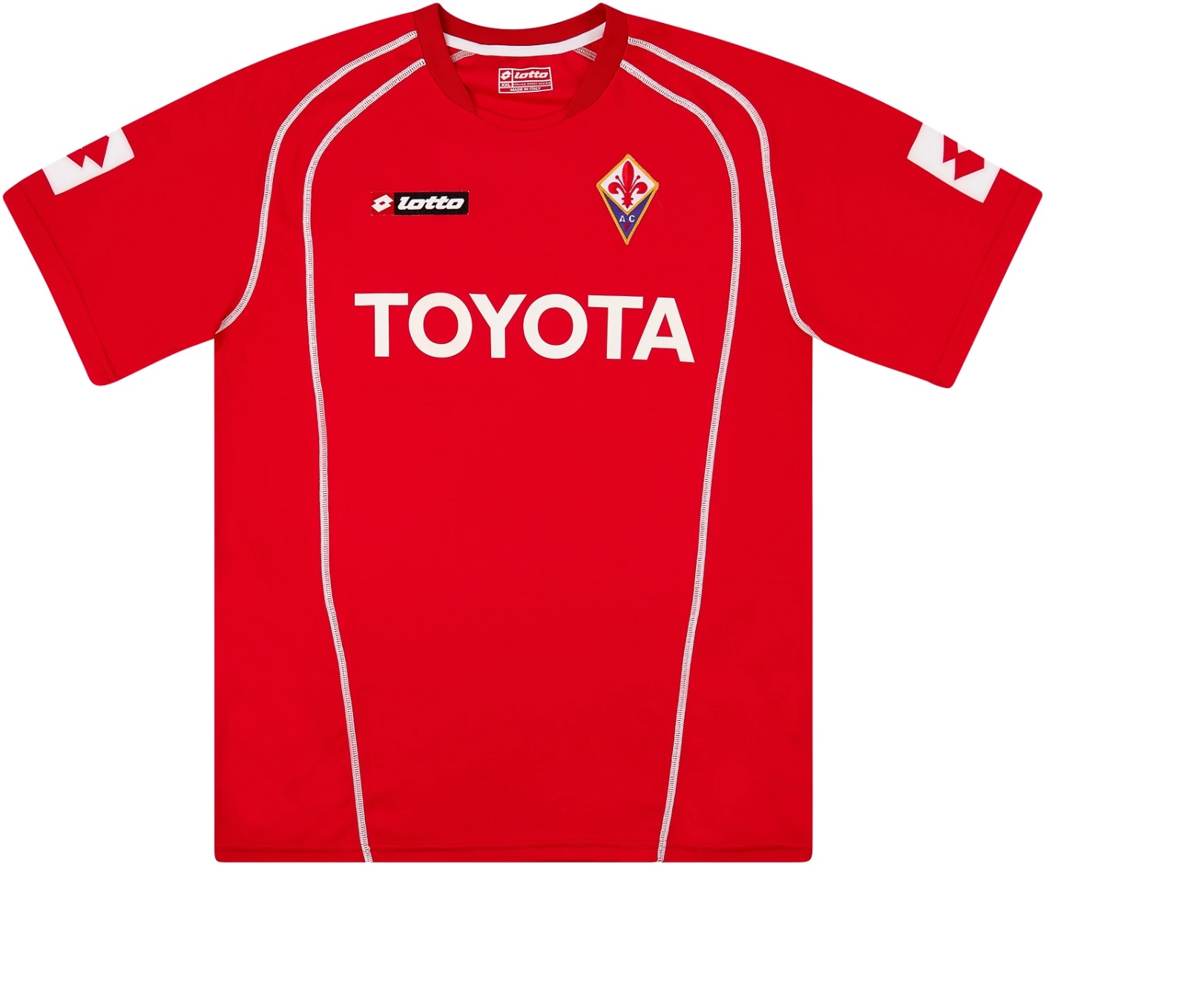
The broader archive is extensive: Fiorentina, Genoa, Treviso, and clubs across Serie B and C. The English market brought QPR in the early 2010s. For collectors, the depth of the Lotto catalogue is underexplored relative to the brand's historical significance — particularly in the Italian lower leagues, where original kits circulate in small numbers and attract limited attention outside Italy.
Browse all Lotto kits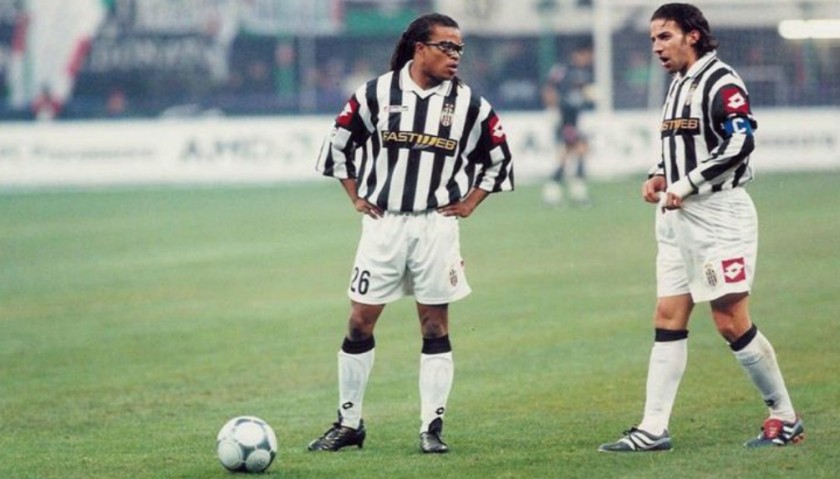
Key milestones
Lotto Sport Italia founded in Montebelluna
The company is established in Montebelluna, Treviso province, within the Veneto footwear manufacturing cluster. Football boots are at the heart of the early product range. The Stadio design, which defines the brand for the next three decades, begins its development in this period.
AC Milan partnership begins
AC Milan sign with Lotto for the 1993/94 season, beginning what becomes the brand's defining commercial relationship. In the first season, Milan win the Champions League, beating Barcelona 4–0 in the Athens final. The 1993/94 Milan home shirt becomes one of the most historically significant kits Lotto ever produces.
USA '94: the Stadio boot on the world stage
The 1994 World Cup in the United States gives the Stadio significant visibility. Italy reach the final before losing to Brazil on penalties. Lotto-contracted players wear the boot during the tournament — alongside players in boots from other brands, as was standard for the era. The exposure matters for a brand whose profile had been largely domestic.
George Weah wins the Ballon d'Or
George Weah becomes the first African player to win the Ballon d'Or and the FIFA World Player of the Year, playing for AC Milan. He goes on to spend three seasons in Lotto's Milan kit. The images of Weah in the 1996/97 away shirt are among the most recognisable photographs in the brand's archive.
Juventus partnership begins
Juventus wear Lotto across the late 1990s and into the early 2000s, in one of the brand's most prominent partnerships after Milan. Del Piero, Nedvěd, Trezeguet, and Davids all appear in Lotto shirts during this period.
Italian depth and German expansion
Lotto consolidates a large Italian club portfolio spanning Serie A, B, and C, while expanding into Germany with Borussia Mönchengladbach and later Mainz 05. The brand's archive broadens significantly across this decade, covering clubs in multiple European leagues simultaneously.
1,474
Kits in ShirtSociety
98
Clubs
1973
Founded in Treviso
5
Seasons with AC Milan
Iconic Lotto kits
The most significant and most collected Lotto football shirts, from AC Milan's Champions League era to the German Bundesliga.
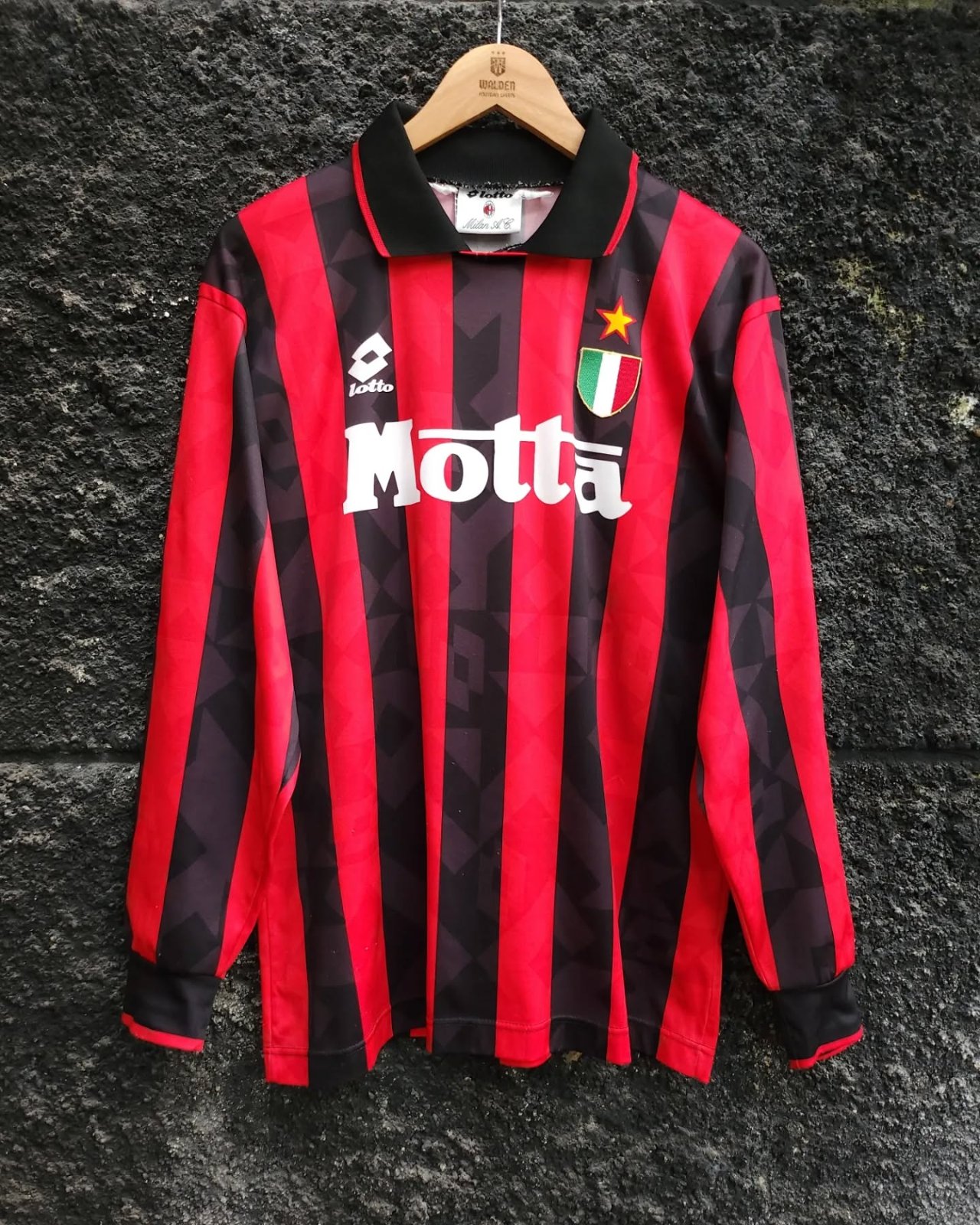
The shirt worn in the first season of the Lotto partnership, and in the Champions League final in Athens. Milan beat Barcelona 4–0. For collectors focused on match history, this is the obvious starting point in the Lotto archive. Original versions in good condition are hard to find and priced accordingly.
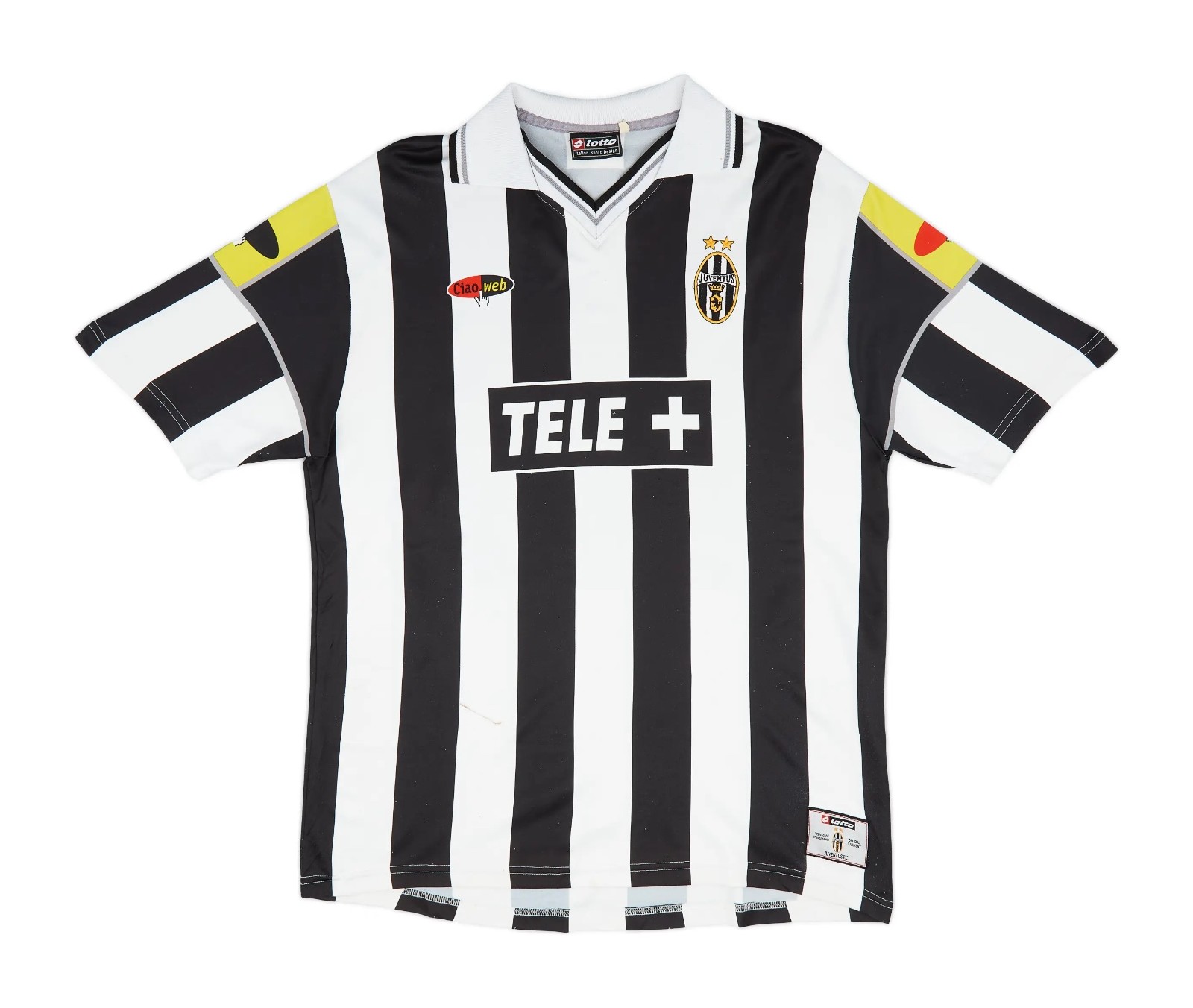
The Juventus Lotto era produced a run of clean, well-made black and white shirts. This season Edgar Davids was at the heart of the midfield. Cleaner and more restrained than later Juventus kits, with the Lotto branding that makes the period immediately identifiable.
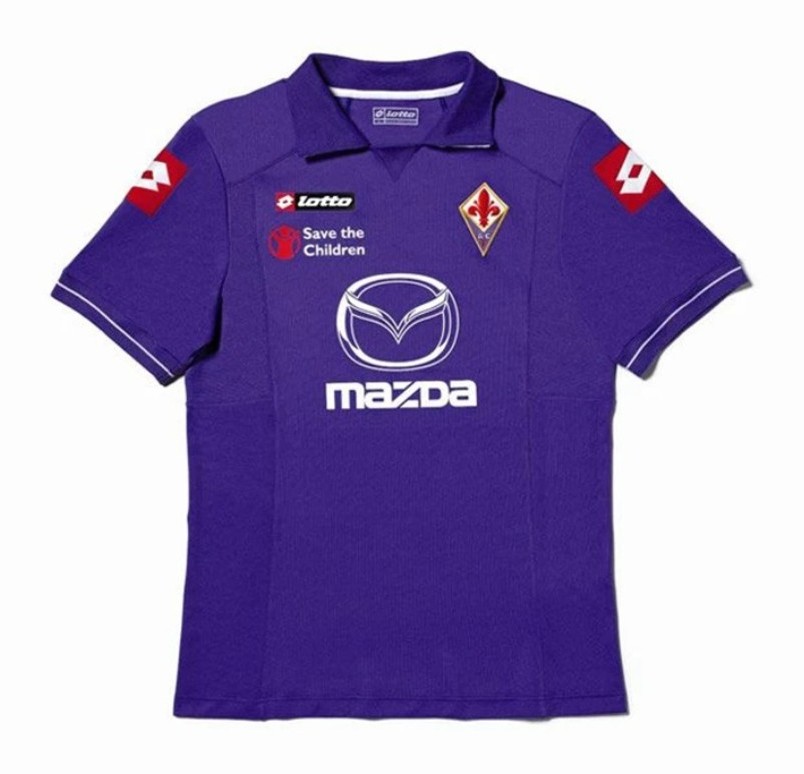
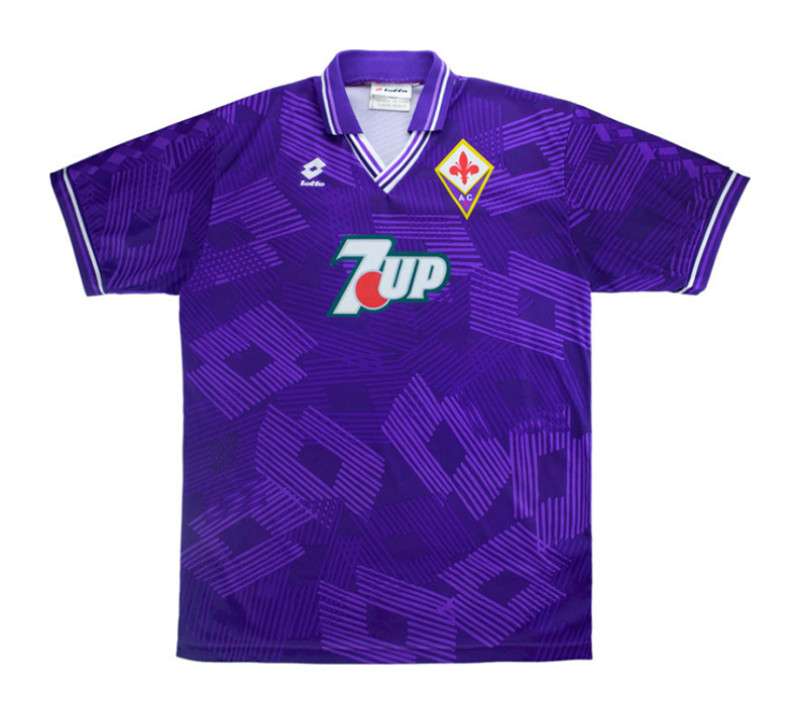
Fiorentina's violet is one of Italian football's most distinctive colours, and Lotto handles it well. This early-2010s kit represents the Italian Serie A phase of the archive beyond the Milan years: technically sound, locally grounded, and undervalued relative to the club's name.
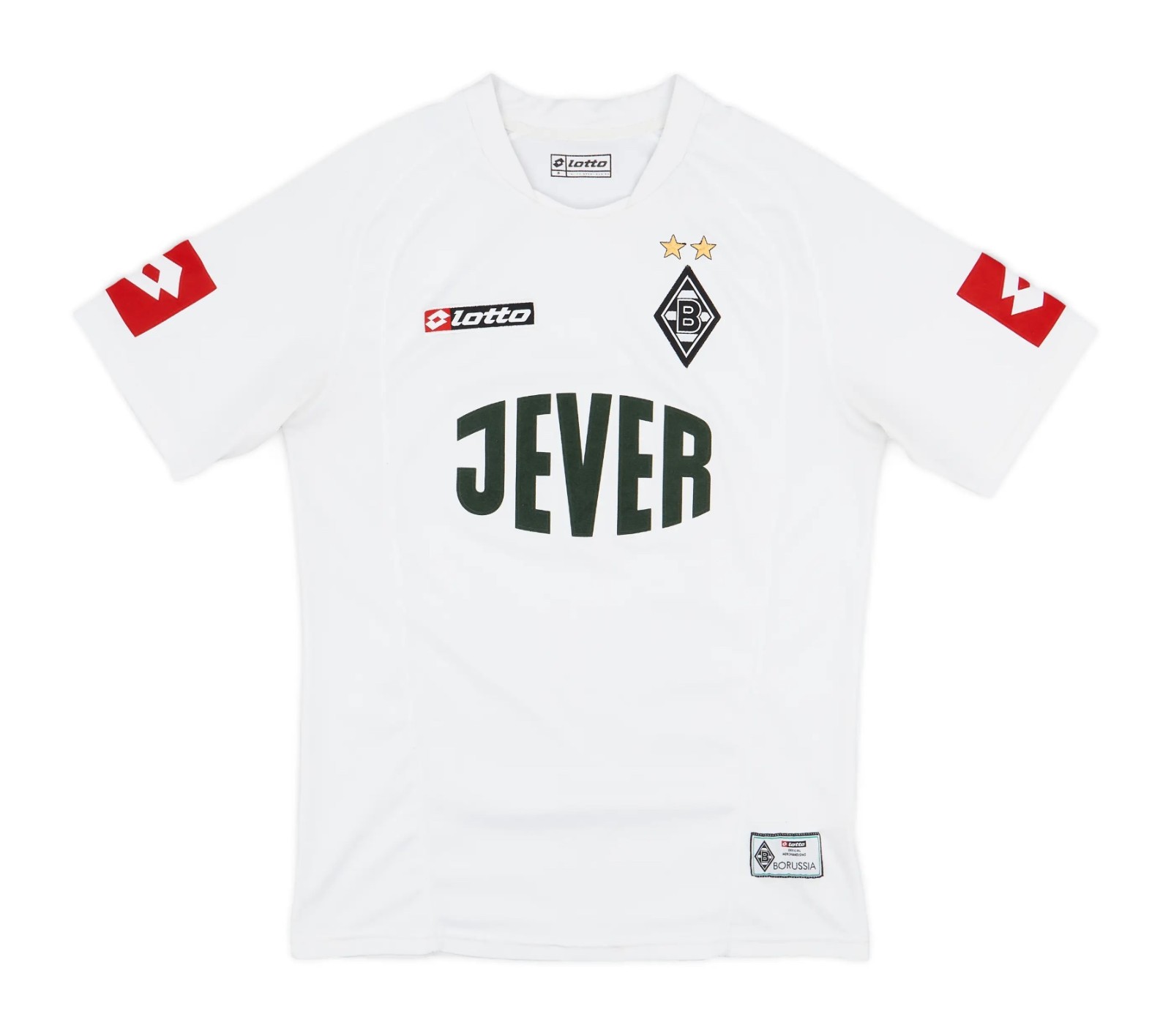
Lotto's most significant German partnership. Borussia Mönchengladbach's black and white stripes, one of the Bundesliga's most iconic kits, in early-2000s Lotto. Clean striped design with restrained branding. One of the better-kept secrets in the German archive for collectors who focus on the mid-table Bundesliga era.
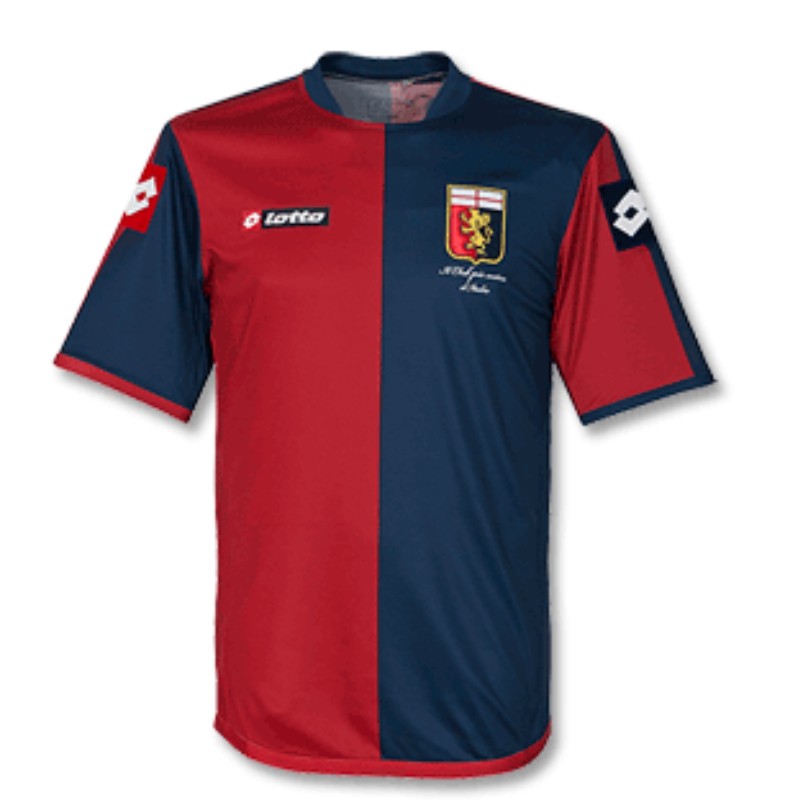
Genoa's red and blue vertical stripes are one of the most recognisable colour schemes in Italian football, and the club is the oldest in Italy. The Lotto iteration is well-proportioned and made to a consistent standard. A strong entry point into the broader Italian Lotto archive.
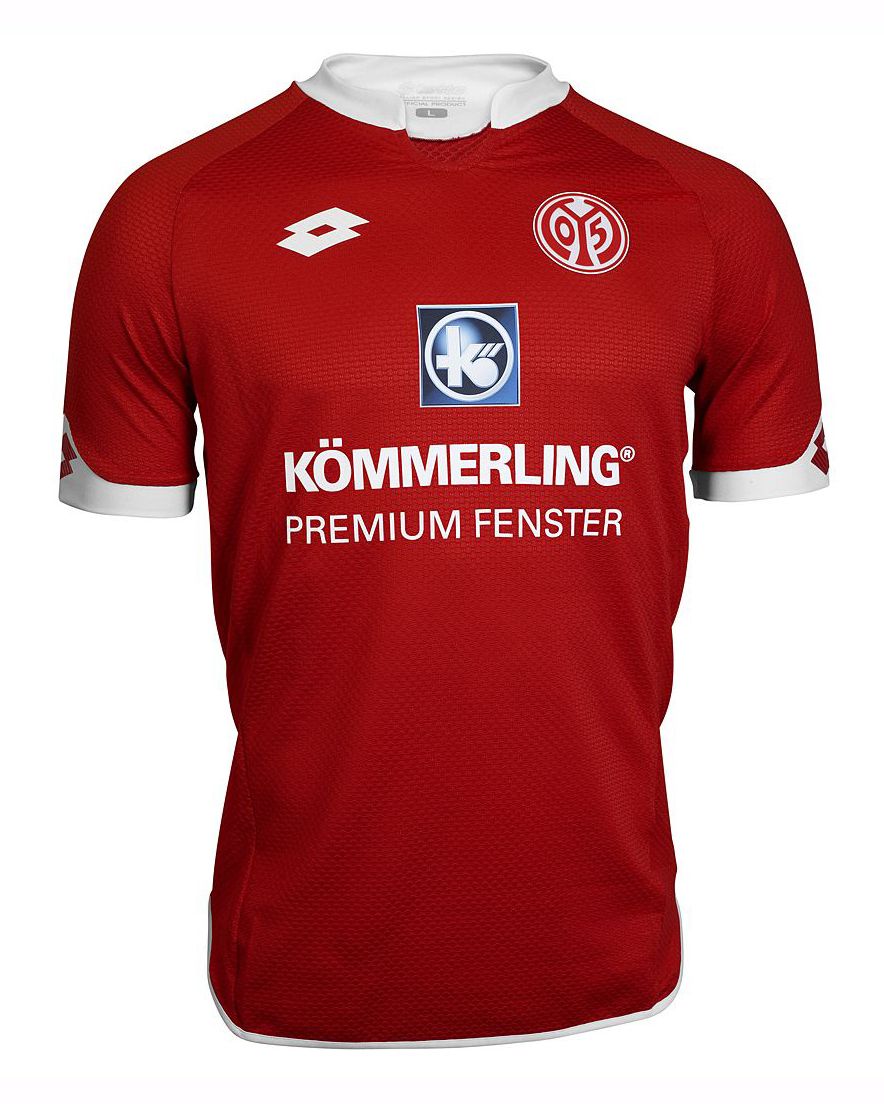
Mainz 05's red represents Lotto's more recent German presence. A mid-2010s Bundesliga shirt from one of the league's most consistently interesting clubs. Trades at a low price relative to equivalent Bundesliga product from the major brands, which makes it one of the more accessible entry points into the archive.
Collector notes: what to look for
Lotto is significantly undervalued in the collector market outside Italy. Here is what experienced collectors look for.
The Milan shirts: buy the 1993/94 first
The 1993/94 home shirt carries the most match history. The 1996/97 away kit, worn by Weah, is the most visually recognisable of the run. All five Milan home kits from this era are worth considering. Player-issue versions surface occasionally through specialist auctions — they are expensive, not unobtainable. Good retail examples are the more realistic starting point.
Maldini and Weah: the faces of the era
Match-worn or player-issue shirts associated with Maldini or Weah are extremely rare and command significant prices. Authenticated shirts from the 1993/94 to 1997/98 period represent some of the highest-value Lotto items. Approach provenance with caution; documentation matters more here than almost anywhere else in the market.
Sizing: the Italian cut
1990s Lotto kits run slim by modern standards. The Italian football shirt cut of this era is narrower across the shoulders and shorter in the body than contemporary equivalents. Budget for sizing up, particularly on the Milan shirts. The later German kits fit closer to modern sizing.
The Italian lower leagues: quantity and price
Lotto's archive across Serie B and C is large and largely ignored outside Italy. Treviso shirts, in particular, circulate in significant numbers given the club's local relationship with the brand. For collectors who want volume over prestige, the Italian Lotto lower-league catalogue is one of the more affordable areas of the market.
Featured in