Est. 1967 · Turin, Italy · The Omini
Kappa.
Serie A. The Banda. The Omini.
Born in Turin. Shaped by Italian football. The brand that dressed Juventus, Roma, Napoli, and made the shoulder tape the most recognised design detail in the game. 2,171 Kappa kits in the ShirtSociety archive.

The Omini
Since 1969
1969 · Turin · Two figures, one mark
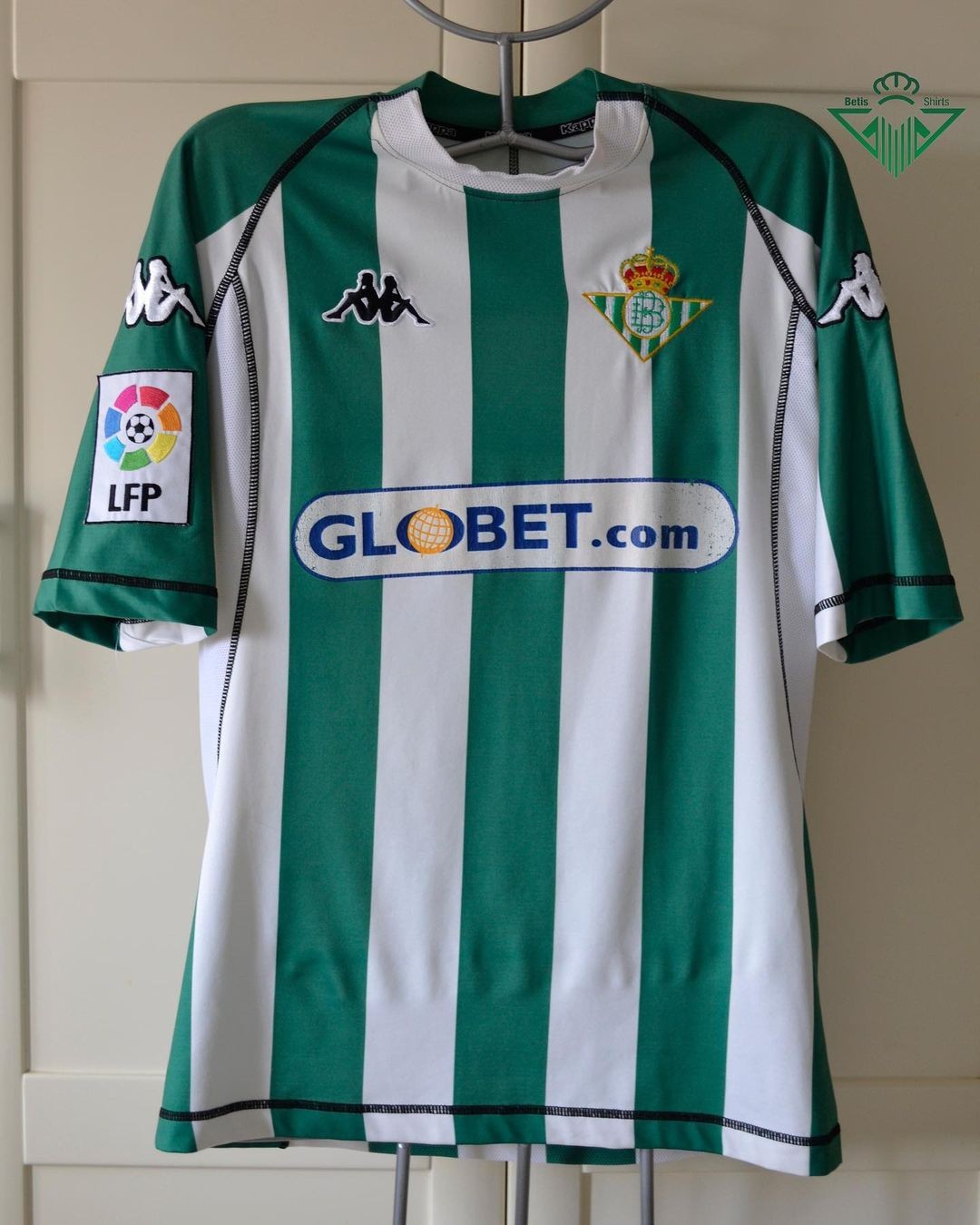
The Kappa logo, officially named the Omini, Italian for "little men," depicts two figures sitting back to back. It was created in 1969 and has remained essentially unchanged for over fifty years. The story of how it was created is part of brand folklore: the two models photographed sitting back to back on a shelf in a department store in Turin were reportedly a young Gianni Agnelli and his partner.
For kit collectors, the Omini is one of the most reliable authentication and dating tools in the hobby. The mark has appeared in different forms across different eras: embroidered, printed, heat-transferred, raised. Its execution tells you when a shirt was made before you look at anything else. The angle, proportions, and treatment of the Omini shifted subtly through the 1980s, 1990s, and 2000s in ways that experienced collectors learn to read instantly.
It is also, by any measure, one of the most beautiful logos in sport. The symmetry, the human figure, the Italian restraint of using something personal rather than abstract. The Omini is design that has lasted because it is genuinely good.
The Banda — Kappa's signature detail
The tape that became a trademark
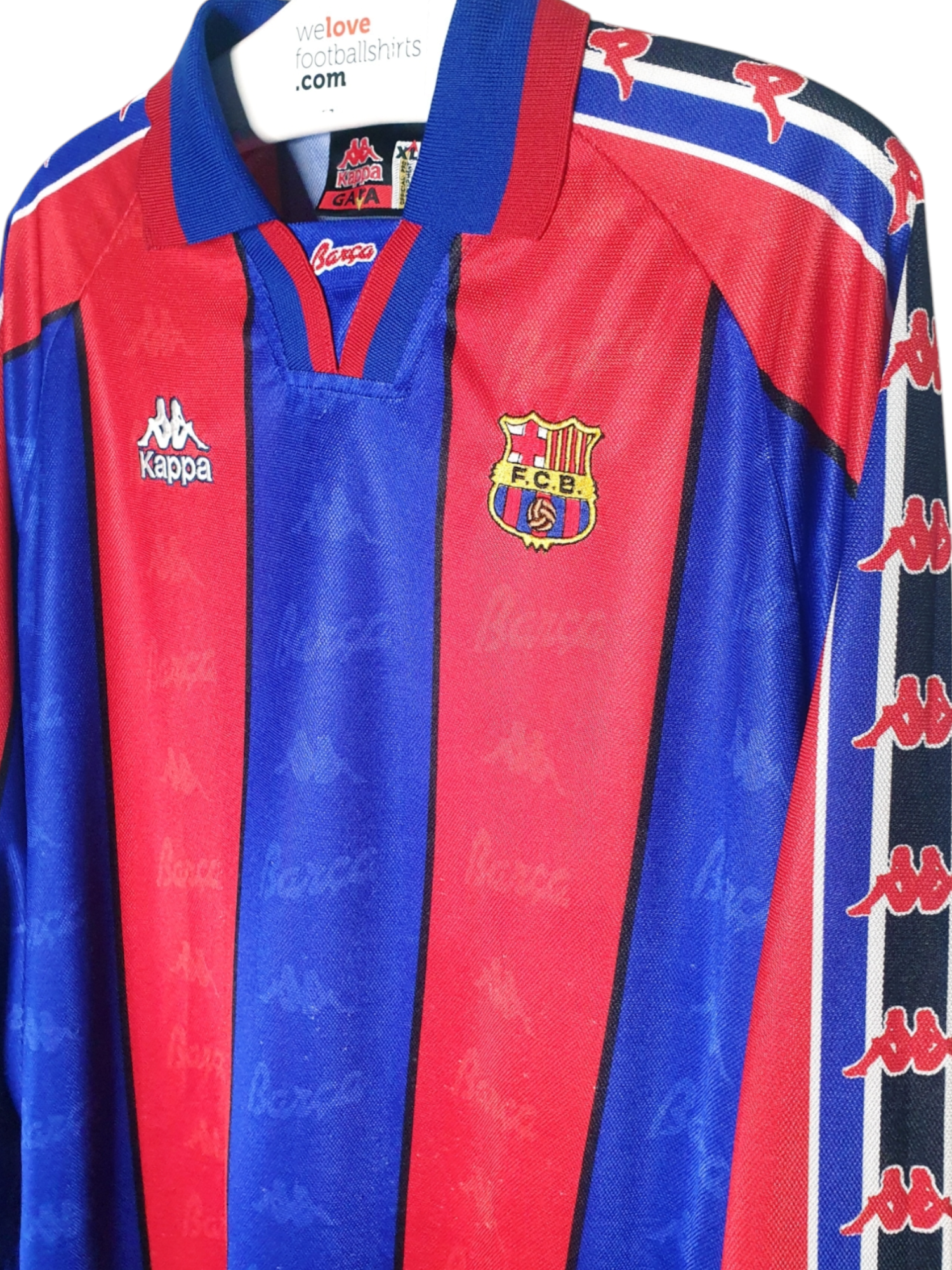
The banda is the strip of contrasting-colour tape that runs along the outer shoulder and sleeve of a Kappa shirt. It is not unique to Kappa; other brands have used shoulder taping. But Kappa's banda, developed through their Serie A partnerships in the 1990s, became so strongly associated with the brand that it effectively became their second logo. You see a shirt from across a room with a contrasting shoulder strip and you know: Kappa.
The banda appears in different widths, colours, and constructions across different eras. The 1990s Juventus and Roma shirts carry the banda in its most refined form: narrow, perfectly proportioned, sitting at the exact point where shoulder meets sleeve. Later iterations became broader and more prominent. Collectors debate which period's banda is best. Most agree: the original 1990s execution, on the Juventus bianconero shirts, has never been bettered.
The banda also appears on Kappa training wear, and increasingly in high fashion contexts. Kappa's collaborations with designers and streetwear brands in the 2010s brought the banda back into mainstream awareness. The result has been a market reappraisal of original 1990s Kappa football shirts that has driven prices significantly higher over the last decade.
Juventus — the definitive partnership
1979–2003 · The Old Lady in the Banda
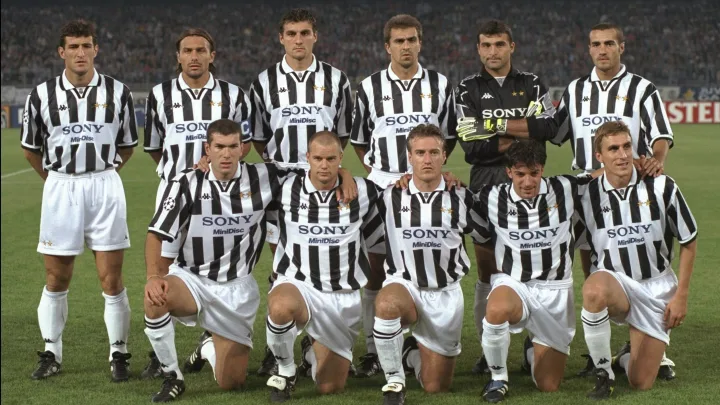
Juventus and Kappa had one of the longest and most visually coherent partnerships in football. From 1979 to 2003, twenty-four years, the bianconero stripes were sewn by Kappa. The Omini sat on the chest of Roberto Baggio, Zinedine Zidane, Alessandro Del Piero, Michel Platini, and every major Juventus side of the late 20th century.
The peak came in the 1990s. Marcello Lippi's side, with Zidane, Del Piero, Conte and Vialli, won the Champions League in 1996 and reached the final in 1997 and 1998. The bianconero Kappa shirts from that era are the most sought-after Juventus items in existence. The banda on the black stripe, the Omini on the chest, the proportions of the stripes. Kappa understood how to make the Juventus kit better than almost anyone who has attempted it since.
When Juventus switched to Nike in 2003, something was lost. The shirts remained technically good, but the character of the Kappa era, precise, slightly austere and Italian in the best sense, has not been replicated. The Kappa window is the most collected era in Juventus shirt history.
Browse all Juventus Kappa kits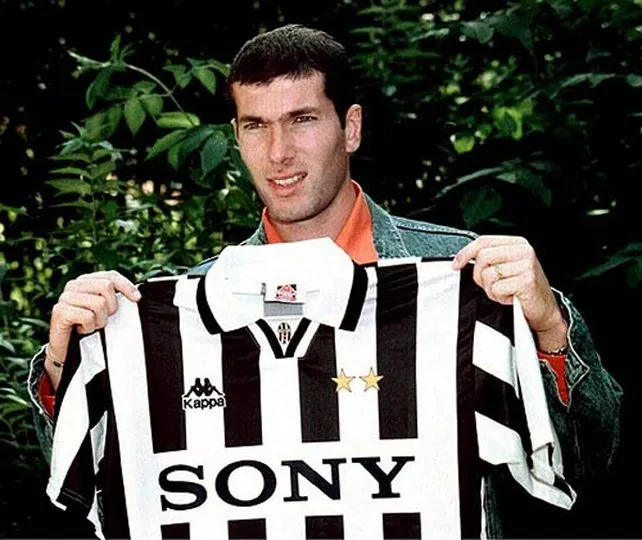
The Serie A window
In the 1990s and early 2000s, when Serie A was the dominant football league on the planet, Kappa was dressing a significant part of it. Juventus, Roma, Napoli, Torino, Fiorentina. The archive from this period is one of the most historically loaded in the sport.


Key milestones
Founded as a cooperative in Turin
Kappa's origins lie in a clothing cooperative established in Turin in 1916, decades before it became a sportswear brand. The football identity came later, when the cooperative shifted its focus to athletic wear and began supplying Italian clubs.
Robe di Kappa — sports brand identity launched
The brand identity as "Robe di Kappa," later simply Kappa, is formalised. The Turin base and Italian manufacturing traditions that define the brand's aesthetic are established in this period.
The Omini logo is created
The two back-to-back figures, the Omini, are photographed in a Turin department store and adopted as the brand mark. One of the most enduring logos in sport. Unchanged in its essentials for over fifty years.
Juventus partnership begins
Kappa begins supplying Juventus, the most successful club in Italian football. The partnership will run for 24 years, through Platini, Baggio, Zidane, Del Piero, and three Champions League finals. The defining relationship in Kappa's football history.
Juventus win the Champions League
Juventus beat Ajax on penalties in Rome to win the Champions League, their first European Cup since 1985. Vialli, Del Piero, Zidane, Ravanelli. The Kappa bianconero shirts from this era are among the most valuable football shirts in the collectors' market.
AS Roma win the Scudetto — Totti and Batistuta
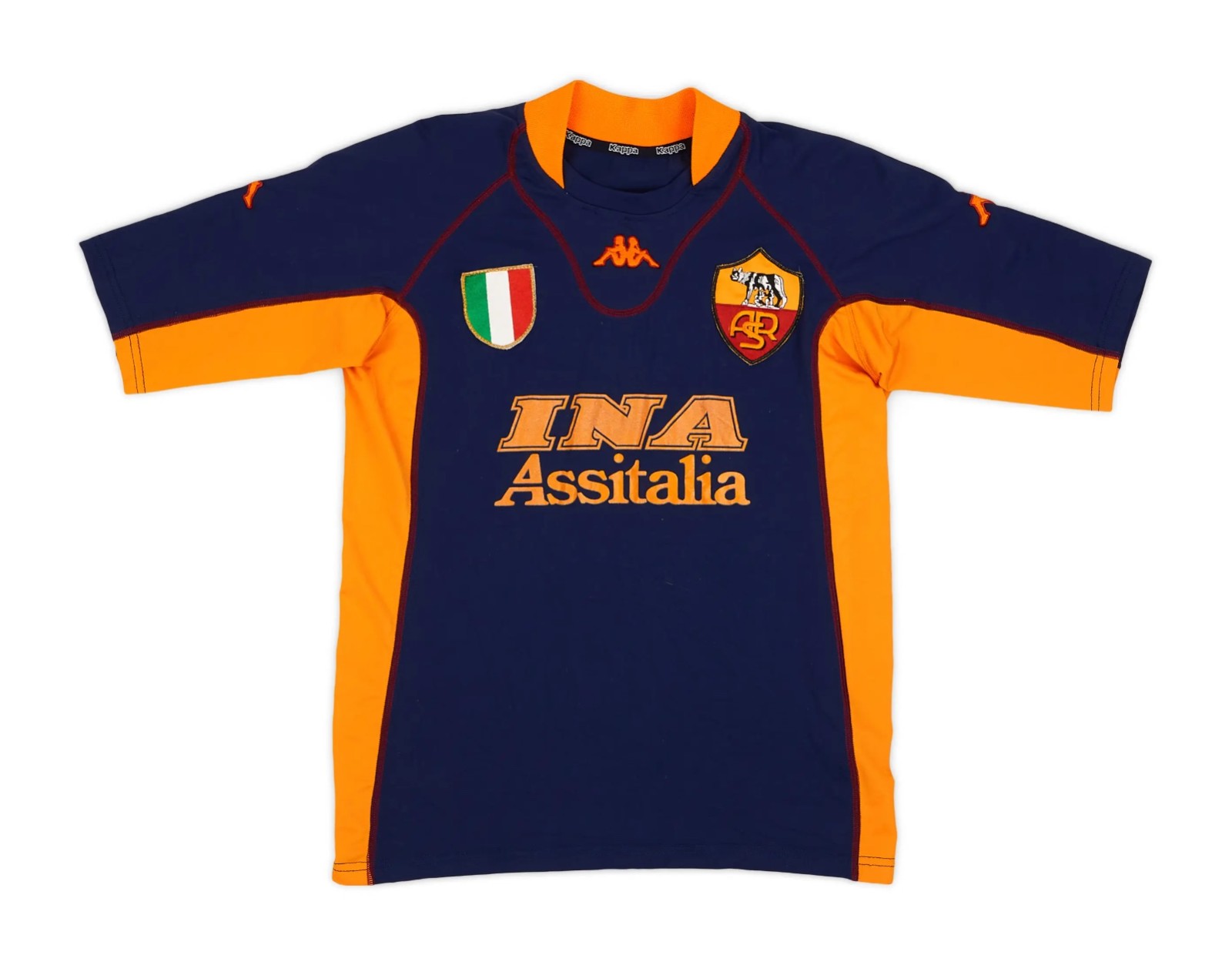
AS Roma win their third Serie A title. Francesco Totti and Gabriel Batistuta lead Fabio Capello's side. The Kappa home shirts from the 2000/01 season are the most collected Roma items of any era, and one of the finest Serie A kits of the decade.
Feyenoord win the UEFA Cup in Kappa
Feyenoord beat Borussia Dortmund in the UEFA Cup final in their home stadium, De Kuip. One of the few times a European final has been played at the home ground of one of the finalists. The Kappa shirt from that season carries enormous emotional weight for Feyenoord collectors.
Juventus leave for Nike
After 24 years, Juventus switch to Nike. Kappa retains significant Serie A presence: Roma, Napoli, Torino and others. But the defining club relationship of the brand's history ends. The Kappa archive for Juventus closes at a specific, clearly defined moment.
Logo history

1967 — Founding
Original wordmark
1978
Refined identity

1984
Pre-Omini era mark
Present — The Omini
Adopted 1969, unchanged for over 50 years
2,171
Kits in ShirtSociety
109
Clubs
24
Years with Juventus
1967
Founded
Iconic Kappa kits
The shirts that define what Kappa means in a collector's archive.
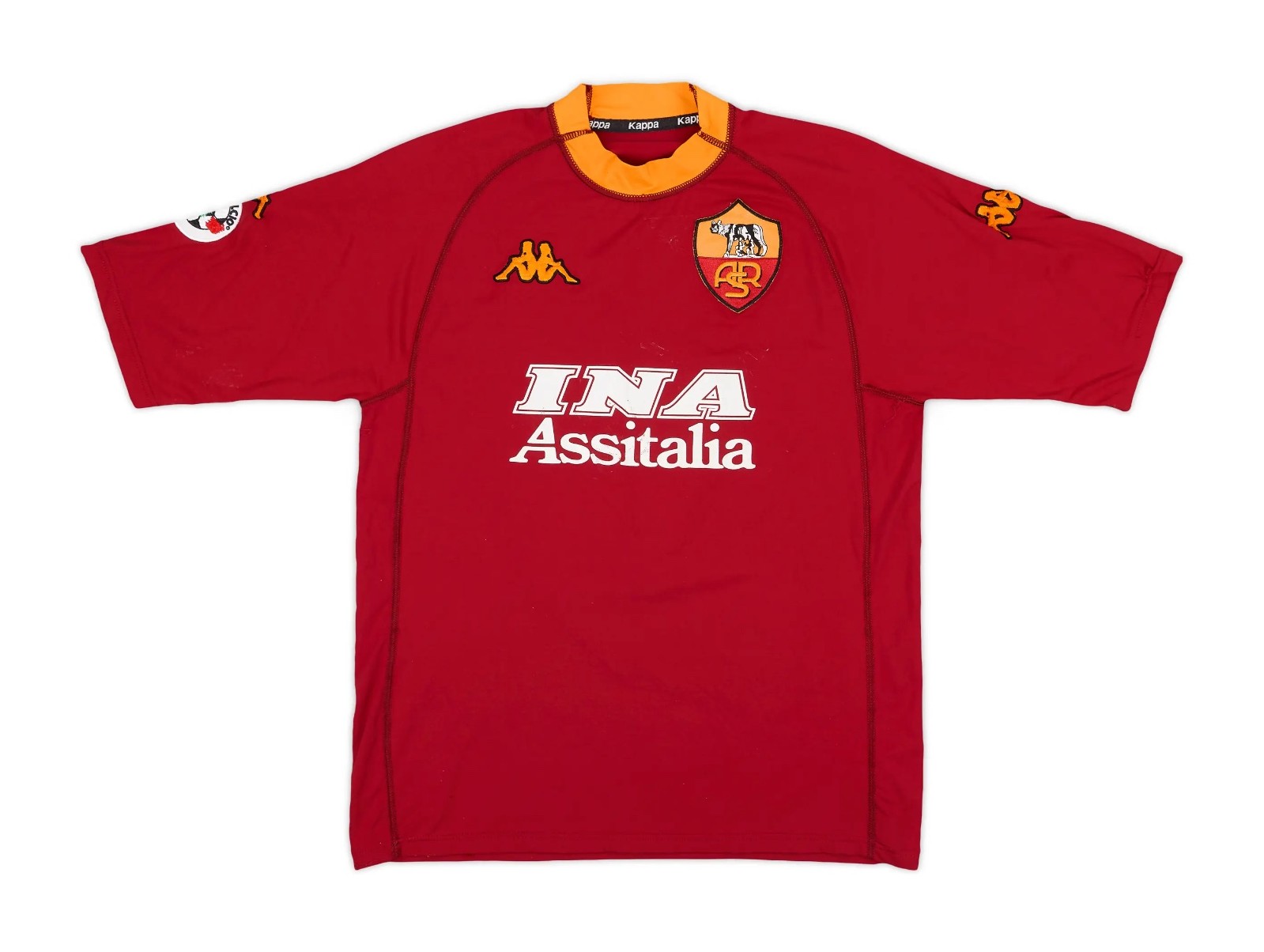
Totti. Batistuta. Montella. Capello's Roma win the Scudetto, their third title and still the last. The deep red Kappa home shirt from this season is the most collected Roma kit in existence. The banda, the Omini, the UNICEF sponsor. Everything about it is right. AS Roma's finest hour.
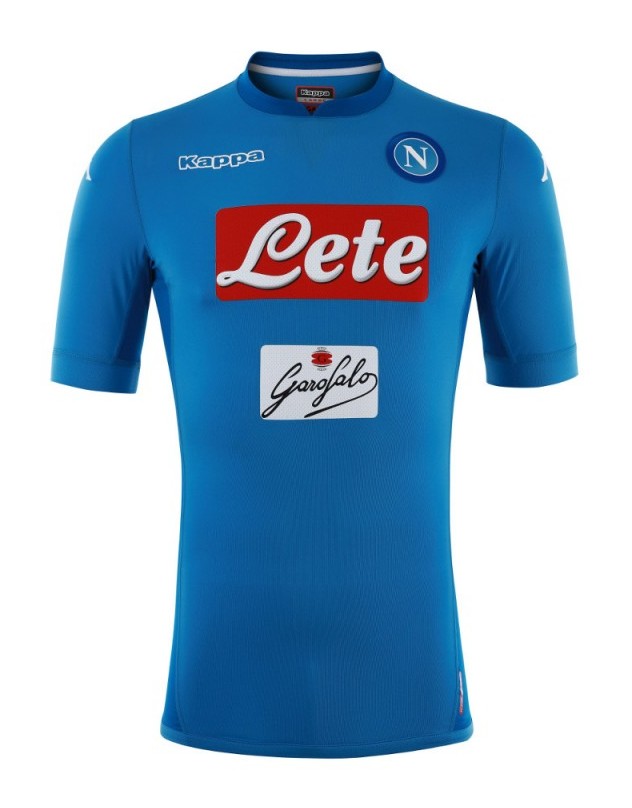
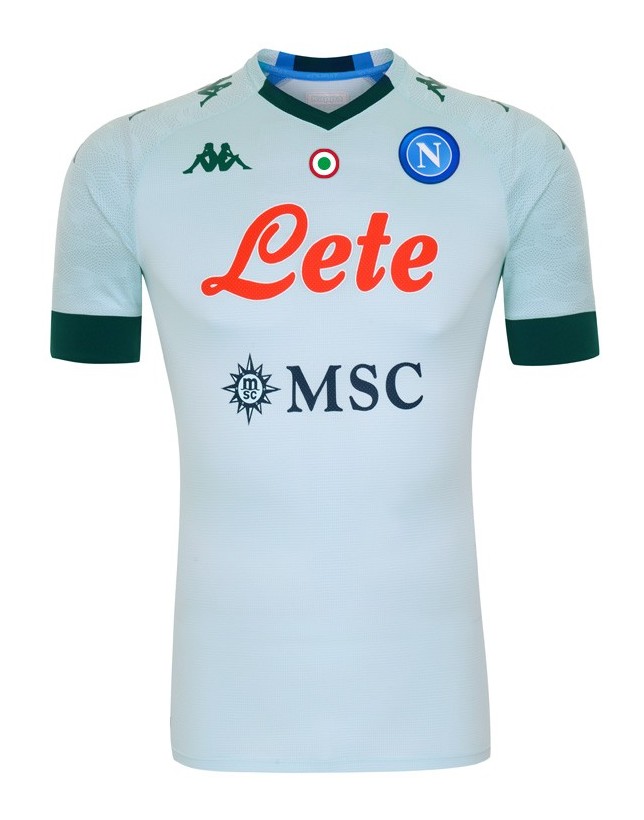
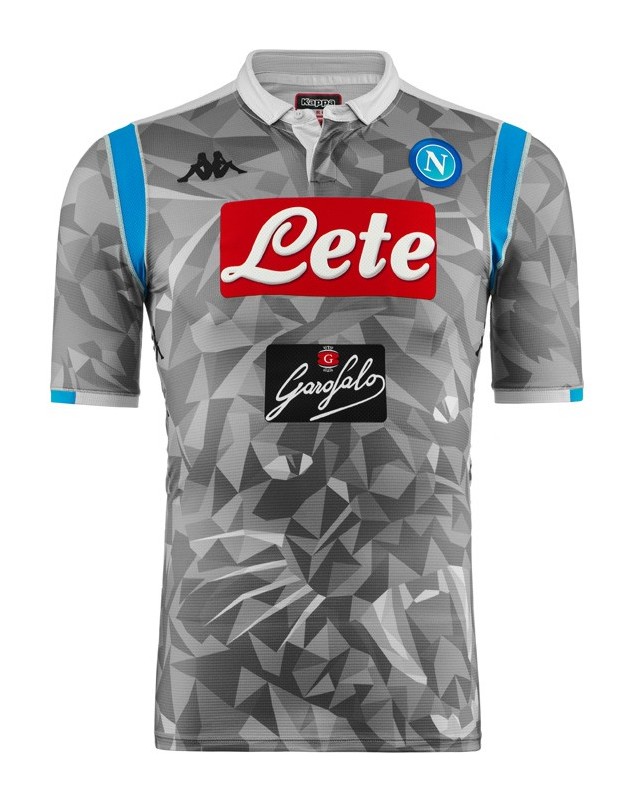
Maurizio Sarri's Napoli play the most beautiful football in Europe: high press, positional play, Insigne and Mertens combining at pace. They fall just short of Juventus in the title race. The light blue Kappa shirt from this era is the peak of the modern Kappa–Napoli relationship.
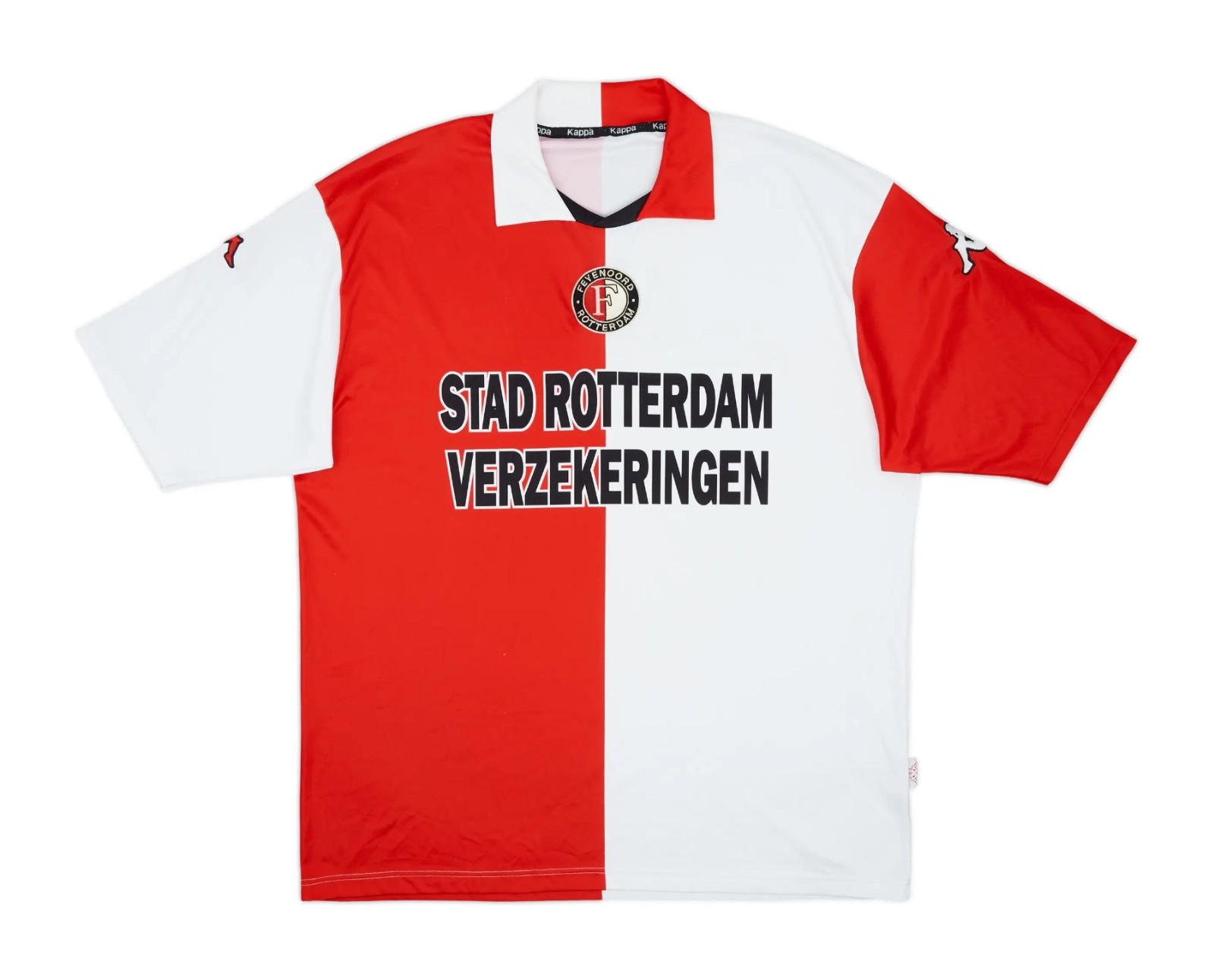
Feyenoord beat Borussia Dortmund in the UEFA Cup final, played at De Kuip, Feyenoord's own stadium. One of the only European finals ever played at a finalist's home ground. The Kappa shirt from that season carries the weight of the club's last major European trophy.
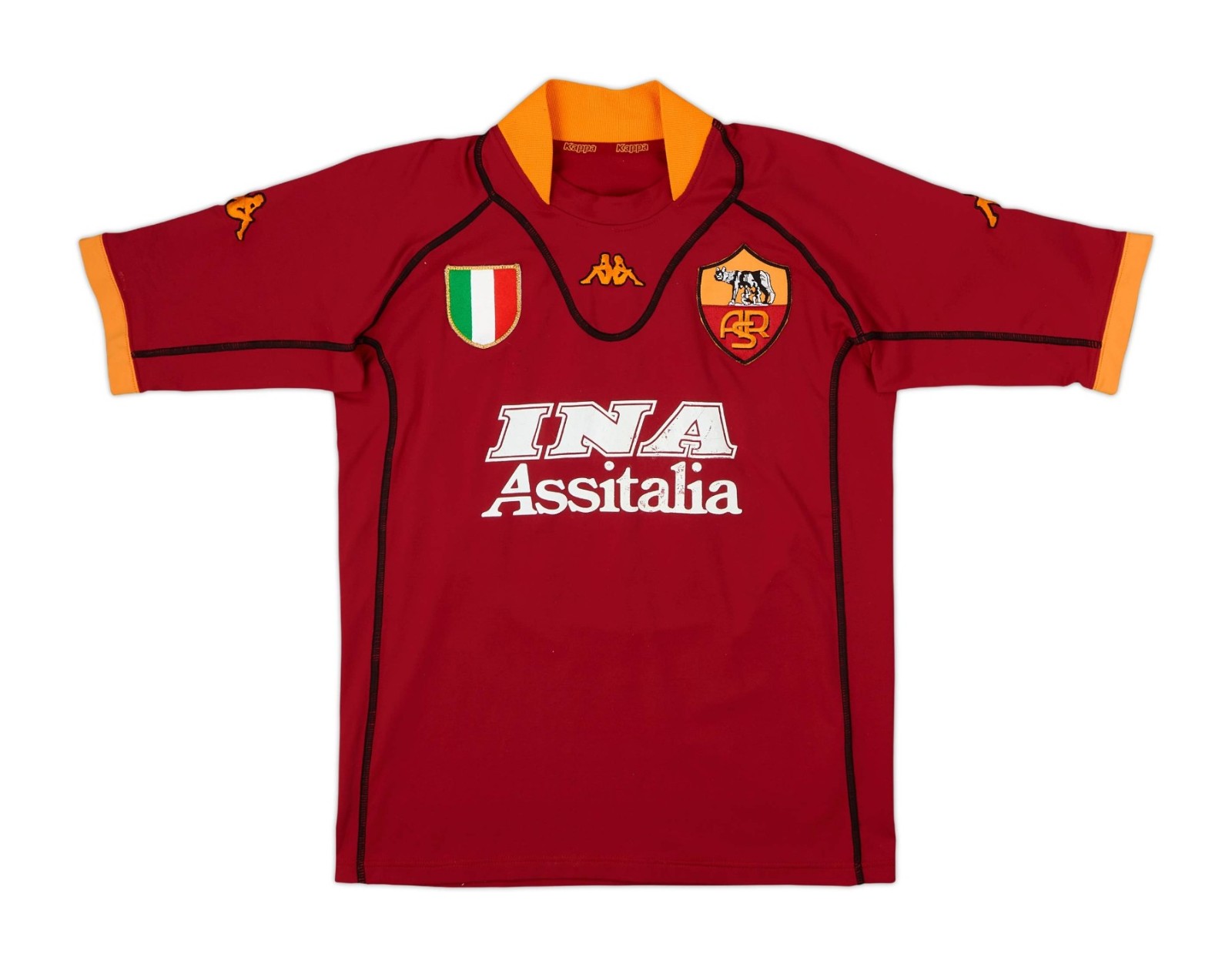
The Scudetto defence. Totti at the height of his powers. Roma in the Champions League group stage, wearing Kappa. The follow-up shirt to the most collected Roma kit in history, arguably just as good.
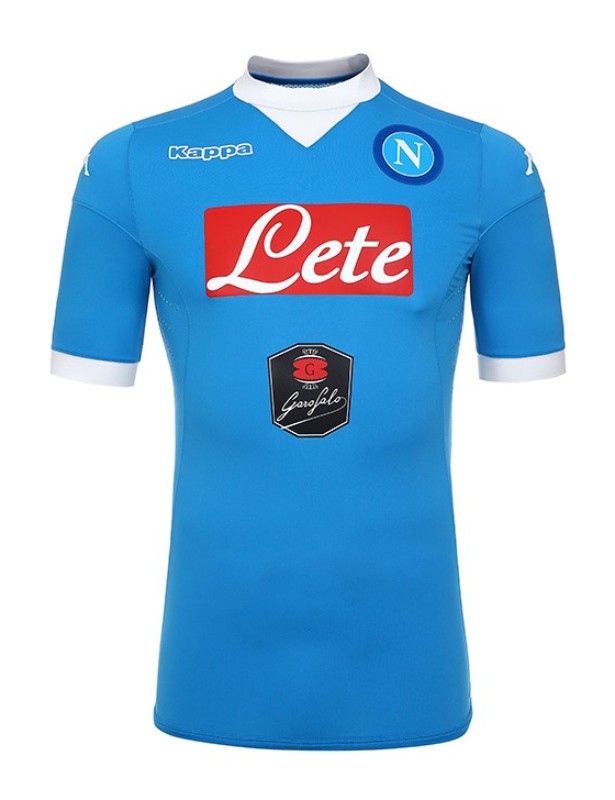
The first season of the Sarri era proper. Napoli finish second in Serie A and reach the Europa League last 16. The light blue Kappa shirt marks the beginning of the most exciting period in the club's modern history and the start of a distinctive Kappa visual identity for the Partenopei.
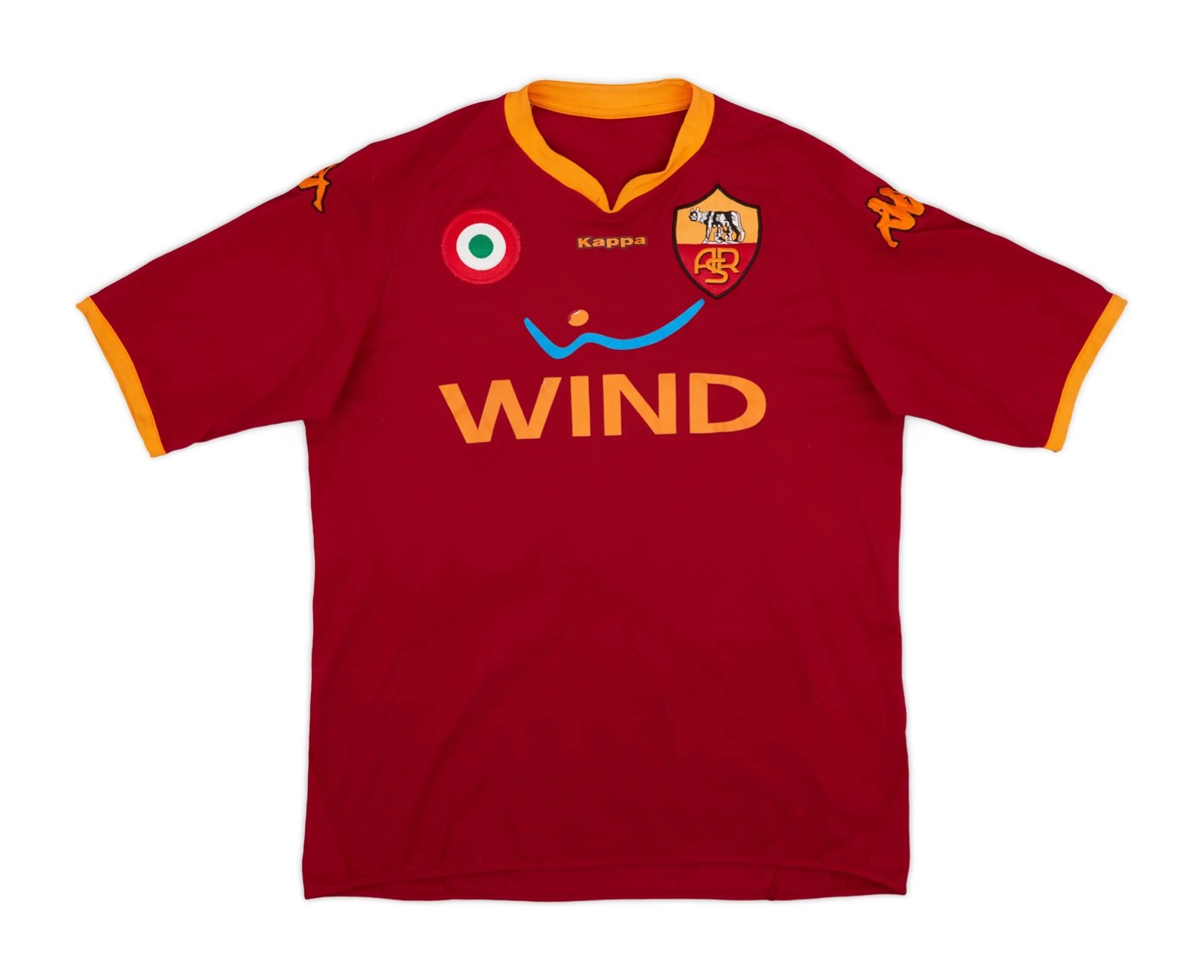
Roma reach the Champions League quarter-final. Totti, Mancini, Vucinic. Spalletti's side play some of the best football in Europe that spring. The Kappa home shirt from this season, clean, structured with the banda in burgundy, is one of the strongest Roma designs of the 2000s.
Collector notes — what to look for
The Omini, the banda, and the Serie A archive. Here is what makes a Kappa shirt worth buying.
The Juventus Archive — The Crown Jewels
The 24-year Juventus partnership is Kappa's most collected run. The most valuable shirts are from the 1994–98 Champions League era: Zidane, Del Piero, Vialli, Inzaghi. In good condition, with correct Omini execution and clean banda, these shirts command serious prices. Later Kappa–Juve shirts (1998–2003) are more accessible and equally good as design objects.
Omini Dating — The Mark That Tells You When
The Omini evolved through distinct forms. 1970s–80s: embroidered, small, sits flat. 1990s: cleaner, more graphic, often applied as a patch. 2000s: heat-transfer, sometimes slightly different proportions. The early embroidered versions are the rarest and most valuable. A shirt with a late-era Omini on an early-era cloth needs scrutiny.
The Streetwear Premium — Prices Have Moved
Kappa's crossover into streetwear culture through the 2010s and 2020s has driven prices for original football shirts significantly upwards. What could be found for €30 at a market a decade ago now fetches several times that. The best time to buy Kappa was before the streetwear market discovered it. The second best time is now, focusing on less-known clubs and years rather than the obvious Juve peak pieces.
Beyond Serie A — Undervalued Kappa Archives
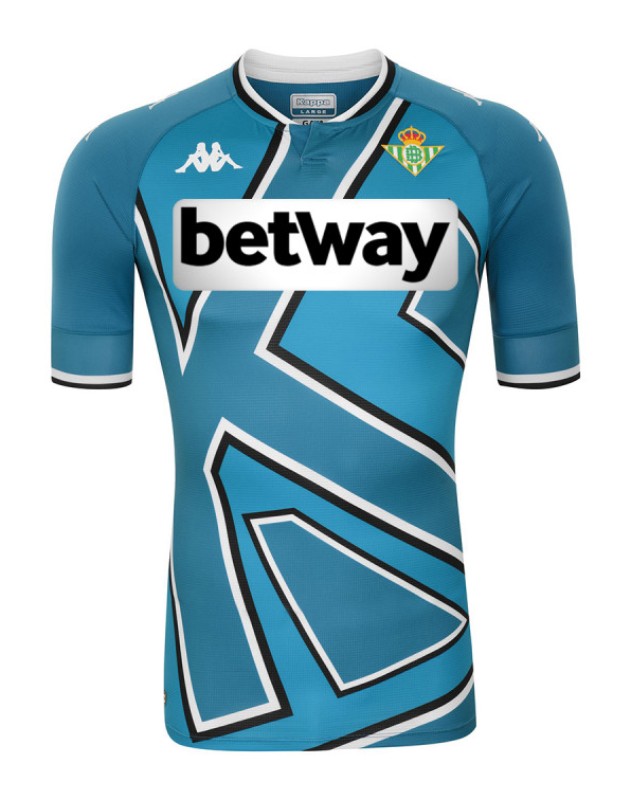
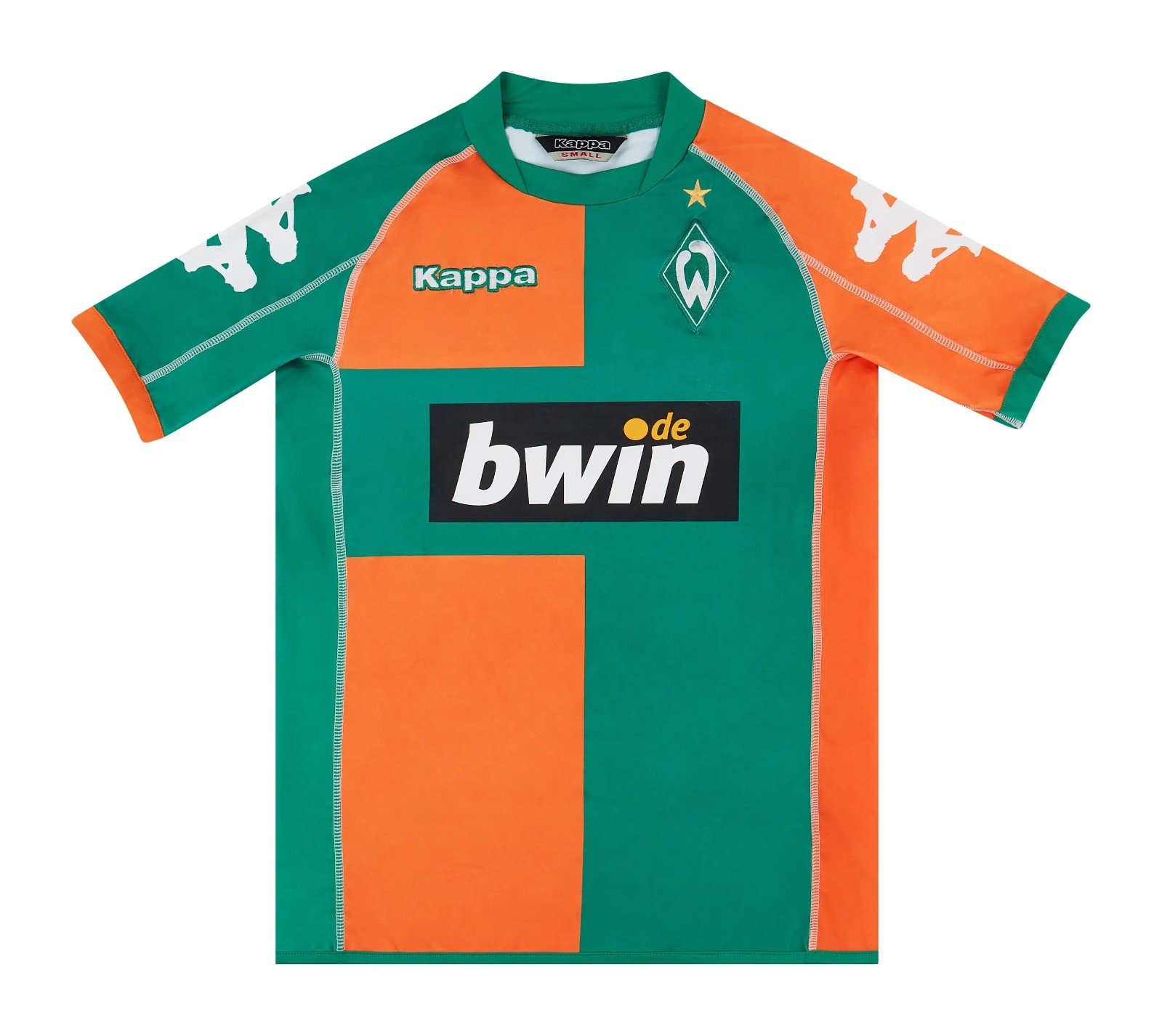
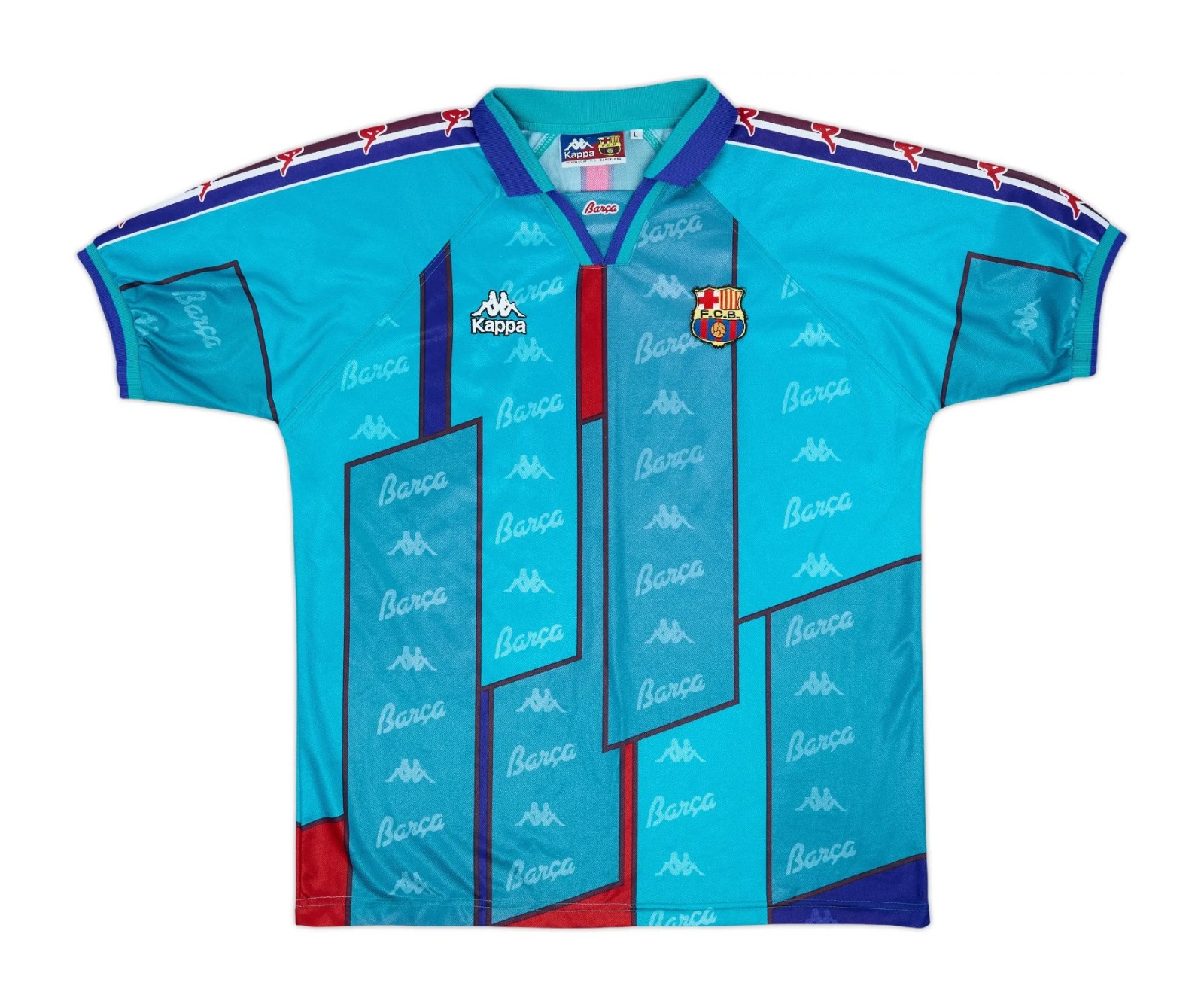
Kappa has always had a strong presence outside Italy. Real Betis, AS Monaco, Werder Bremen, and Feyenoord all produced significant Kappa periods. These archives are far less picked-over than the Italian material. Monaco's Kappa era in particular, running through the Champions League final of 2003/04, contains genuinely excellent shirts at accessible prices.
Featured in