
Founded 1949 · Herzogenaurach, Germany · Three Stripes
adidas Football
adidas is the most decorated name in international football kit history. Founded in 1949 by Adolf Dassler in a small Bavarian town, the brand has supplied more World Cup winners than any other manufacturer — from the Miracle of Bern in 1954 to Brazil in 2022. Today, 13,141 adidas kits are catalogued by collectors on ShirtSociety.
The Dassler split
1949 · Herzogenaurach, Bavaria
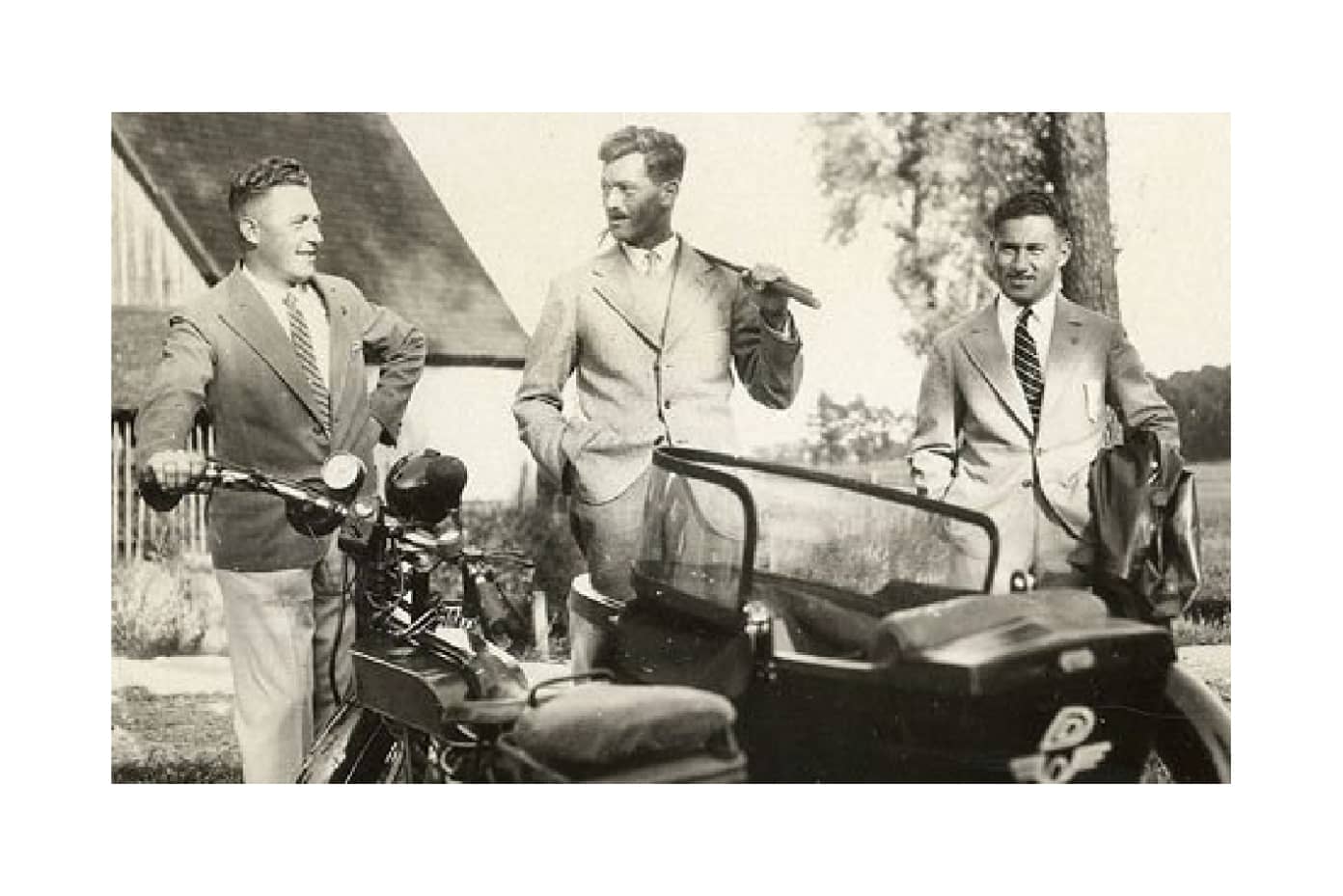
The story of adidas begins with a feud. Adolf "Adi" Dassler and his brother Rudolf had built a successful shoemaking business together in Herzogenaurach after World War II. In 1948, following a falling-out whose exact cause remains disputed, they split. Adi founded adidas — a contraction of his own name. Rudolf crossed the River Aurach and founded Puma.
The town of Herzogenaurach became a divided place. Residents were said to look at one another's shoes before speaking — checking which brother's brand they wore. The rivalry shaped both companies for decades. It also created the conditions for adidas to become the defining force in football.
Adi Dassler's insight was simple: if the best players in the world wore his shoes, everyone else would want them. He understood sports sponsorship before the concept had a name. The three stripes, originally added to stabilise the foot within the boot, became the most recognisable mark in sport.
Browse all Germany adidas kits1954 · World Cup Final · Bern, Switzerland
The Miracle of Bern
West Germany were not supposed to win the 1954 World Cup. They had already been beaten 8–3 by Hungary in the group stage. Hungary — the Mighty Magyars, unbeaten in four years — were the overwhelming favourites. But on a wet afternoon in Bern, Adi Dassler made a decision that changed football history.
At half-time, with the score level, Dassler fitted the German players with boots that had screw-in studs — a new technology he had developed specifically for wet conditions. The Hungarian boots were fixed-stud. As the rain fell harder in the second half, the Germans moved more freely. Helmut Rahn scored twice. West Germany won 3–2.
The victory was West Germany's first major trophy and became a symbol of national reconstruction after the war. It was also adidas's first defining moment in football. The story spread across Europe: adidas boots had won the World Cup. Orders flooded in. Browse Germany kits
The Equipment era, 1991–1995
1991 · The Three Bars
Stripped back. Collector gold.
In 1991 adidas launched the Equipment range — a philosophical reset. The Trefoil logo (introduced in 1971 for lifestyle product) was set aside for a new mark: three bold parallel bars forming a mountain silhouette, representing the challenges athletes face. The tagline was "Equipment: Everything You Need. Nothing You Don't."
For kit collectors, the Equipment era (1991–1995) represents a design peak. The shirts are characterised by bold, flat colourways, strong graphic elements, and the distinctive Equipment logo placement on the left chest. No elaborate sponsor panels. No padding. Just geometry and colour.
The 1994 World Cup was the high point. Germany, Argentina, Belgium, Mexico — all wearing Equipment kits. A tournament of iconic shirts. Germany's white home shirt from that summer is considered one of the finest adidas designs ever made.
See the Germany 1994 kit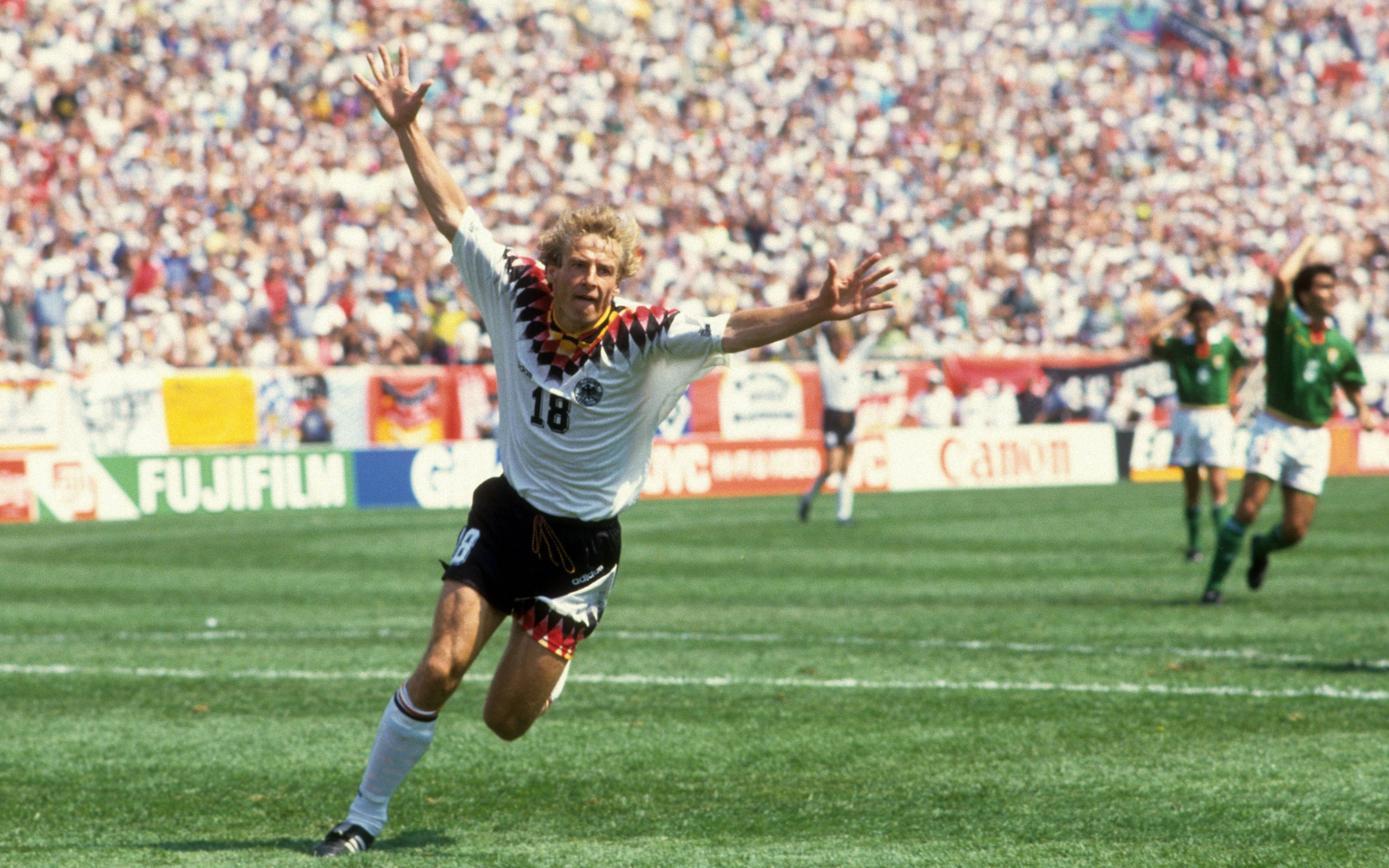
Key milestones
Adolf Dassler founds adidas
Registered in Herzogenaurach, Bavaria, on 18 August 1949. The company name combines "Adi" (Adolf's nickname) with the first three letters of the family name. Brother Rudolf founds Puma the same year across the river.
Miracle of Bern — the screw-in stud
West Germany defeat Hungary 3–2 in the World Cup final in Bern. Adi Dassler's screw-in studs on a wet pitch are widely credited as decisive. adidas becomes synonymous with World Cup success.
The Trefoil logo launched
The three-leaf clover mark is introduced for adidas lifestyle products. For the next two decades it appears on football kits alongside the three stripes. Collectors use the Trefoil logo to date shirts to the 1971–1991 period.
West Germany win on home soil — Johan Cruyff's Netherlands lose the final
Both finalists wear adidas — with one famous exception. Cruyff held a personal contract with Puma and refused to wear three stripes; his Netherlands shirt was modified to carry only two stripes. The rest of the Dutch squad wore three. Beckenbauer lifts the trophy in Munich in standard adidas.
Germany wins in Italy — Matthäus and Klinsmann
West Germany defeat Argentina 1–0 in the Rome final. Lothar Matthäus is the tournament's outstanding player. The German home shirt — white with black and yellow graphic panels — is one of the most collected adidas designs of the era. See the shirt.
The Equipment logo — three bars, stripped back
adidas launches the Equipment range with a new logo: three parallel bars suggesting a mountain. The Trefoil moves to the originals/lifestyle line. Football kits from 1991 to 1995 carry the Equipment mark — now the most collectible adidas era.
Equipment era peak — the USA World Cup
Germany, Argentina, Belgium and Mexico all wear Equipment kits in the USA. Brazil win the tournament in Nike. Germany exit in the quarter-finals but their home shirt is considered one of adidas's finest ever designs. Brazil win the tournament in Umbro — adidas's biggest rival for national team contracts at the time. Nike would not sign Brazil until 1997.
Real Madrid partnership begins
Real Madrid move from Kelme to adidas — one of the most significant kit deals in football history. The partnership has run uninterrupted ever since. Browse Real Madrid adidas kits.
Germany win in Brazil — Götze's final minute goal
Germany defeat Argentina 1–0 in extra time. Mario Götze scores the winner. Both finalists wear adidas. Germany wear their white home shirt in the final — the away shirt from that tournament was the red and black "Flamengo-style" design. See the 2014 home kit.
13,141
Kits in ShirtSociety
352
Clubs
8
World Cup Winners Outfitted
1949
Founded
Iconic adidas kits
The most significant, most collected and most historically resonant adidas football shirts ever made.
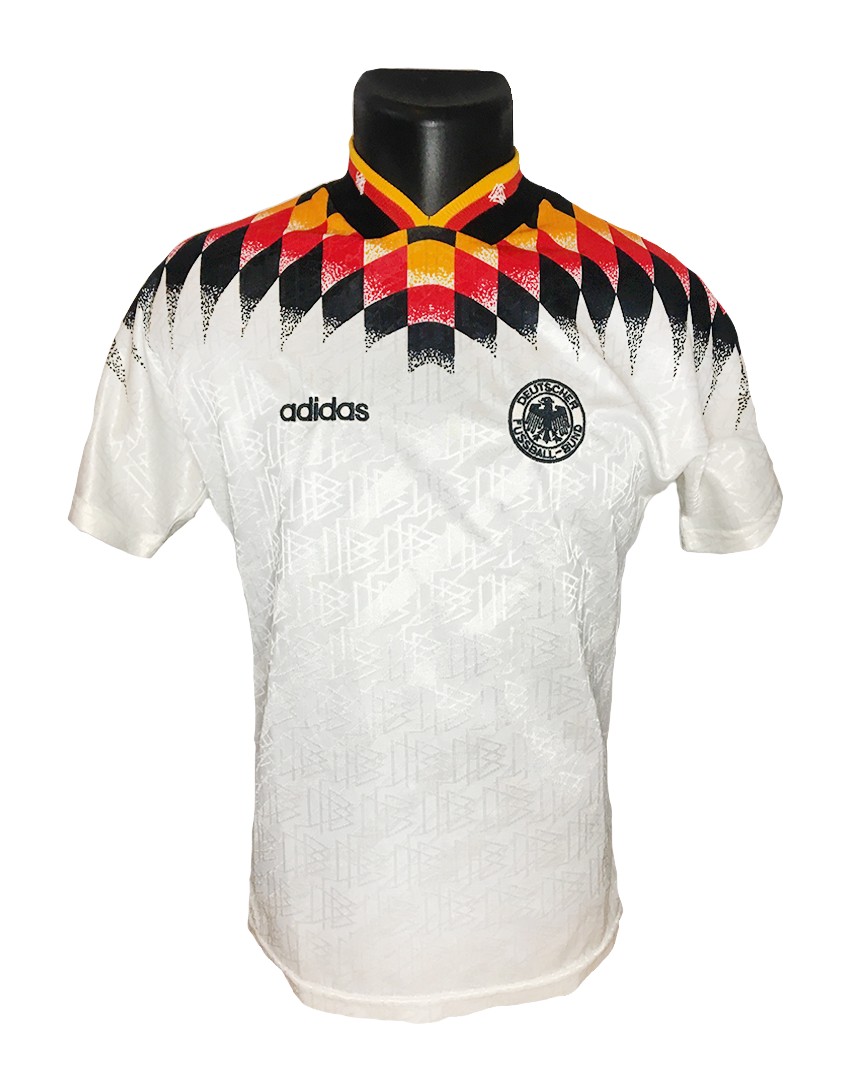
The purest expression of the Equipment era. White, clean, with bold graphic elements and the three-bar logo in its prime. Germany exit in the quarter-finals but the shirt outlasts the tournament. The most sought-after adidas Germany shirt in collectors' markets.
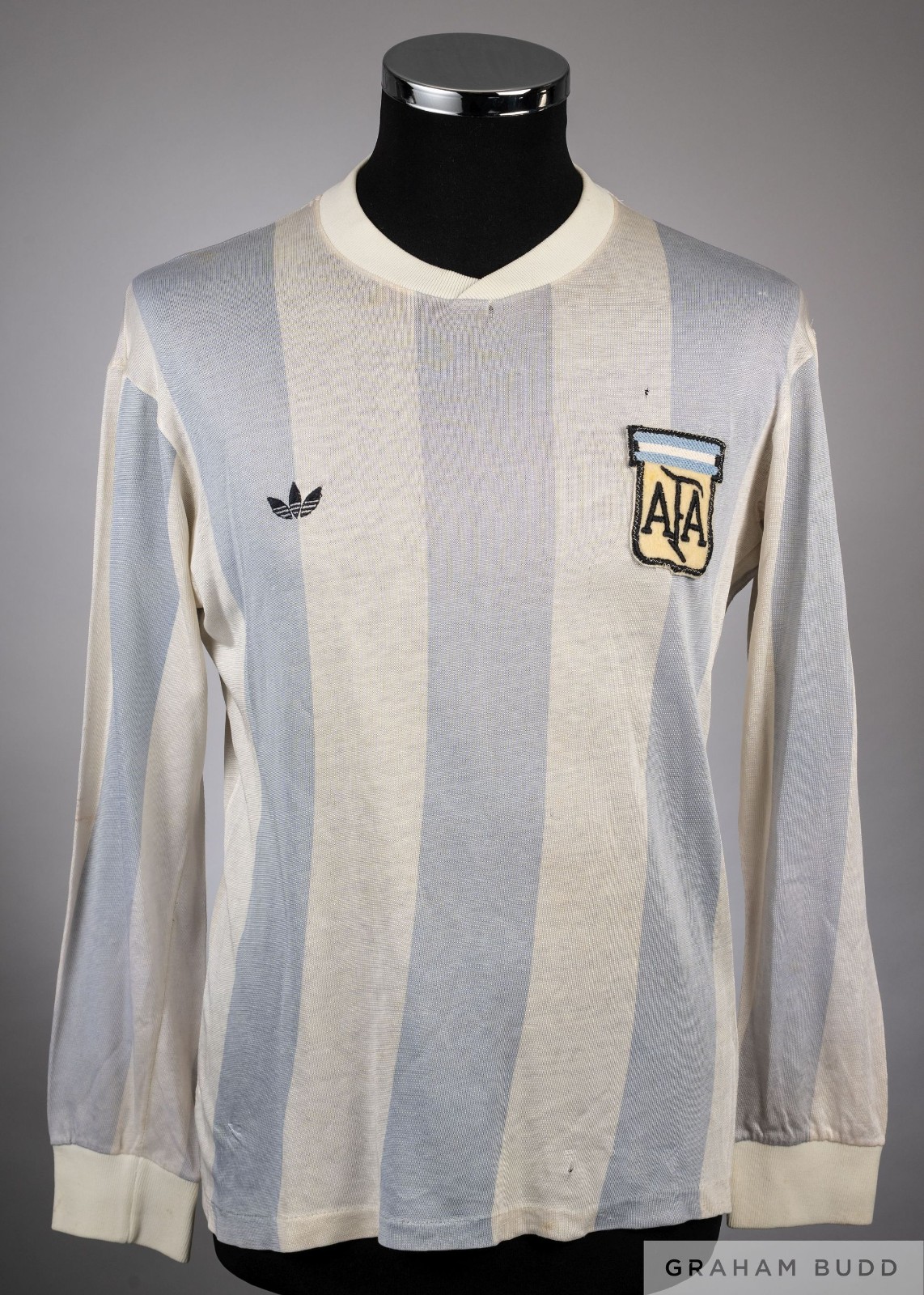
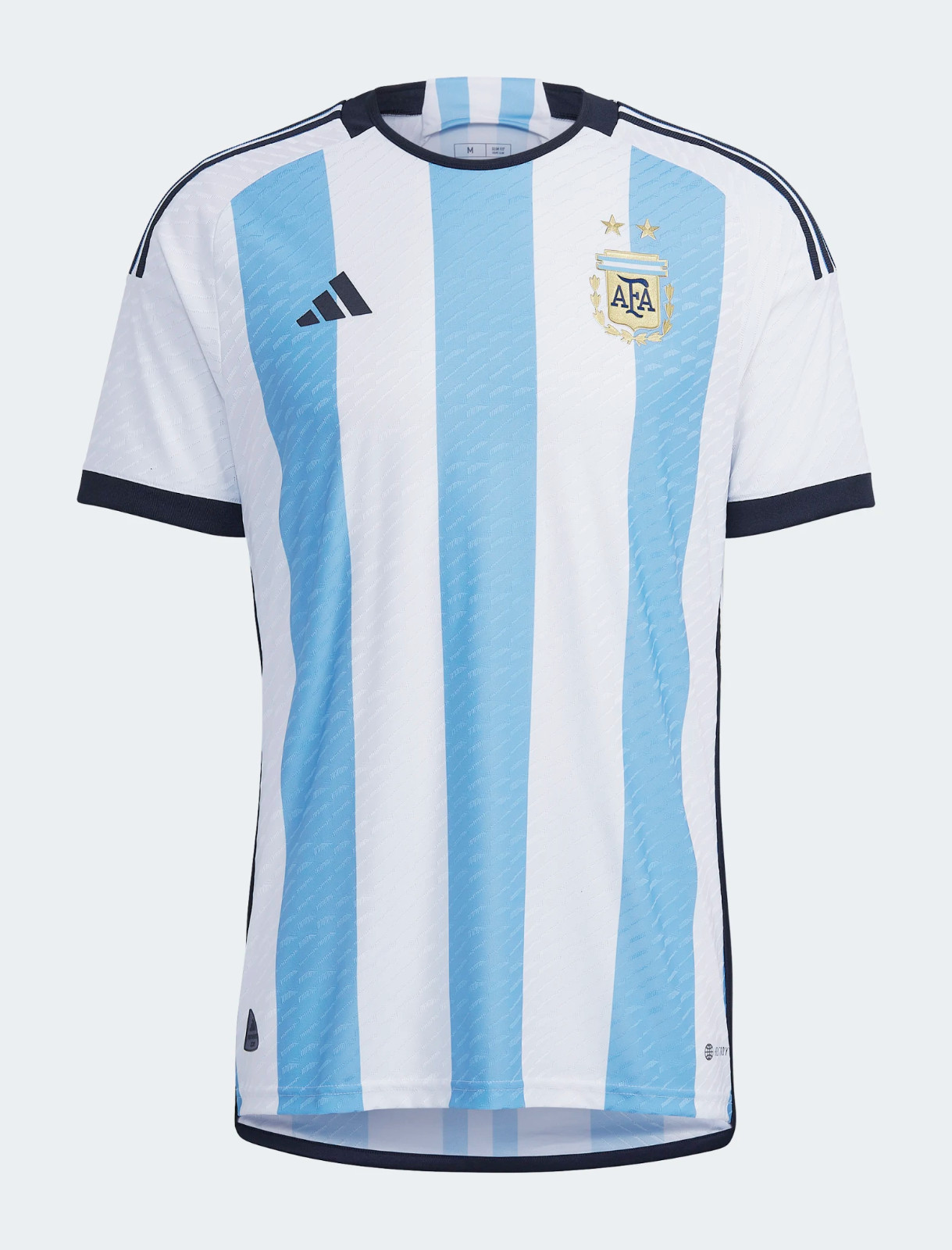
Mario Kempes scores twice in the final on home soil in Buenos Aires. Argentina's first World Cup win, a carnival in blue and white vertical stripes. The Trefoil era shirt worn by one of the tournament's most clinical strikers.
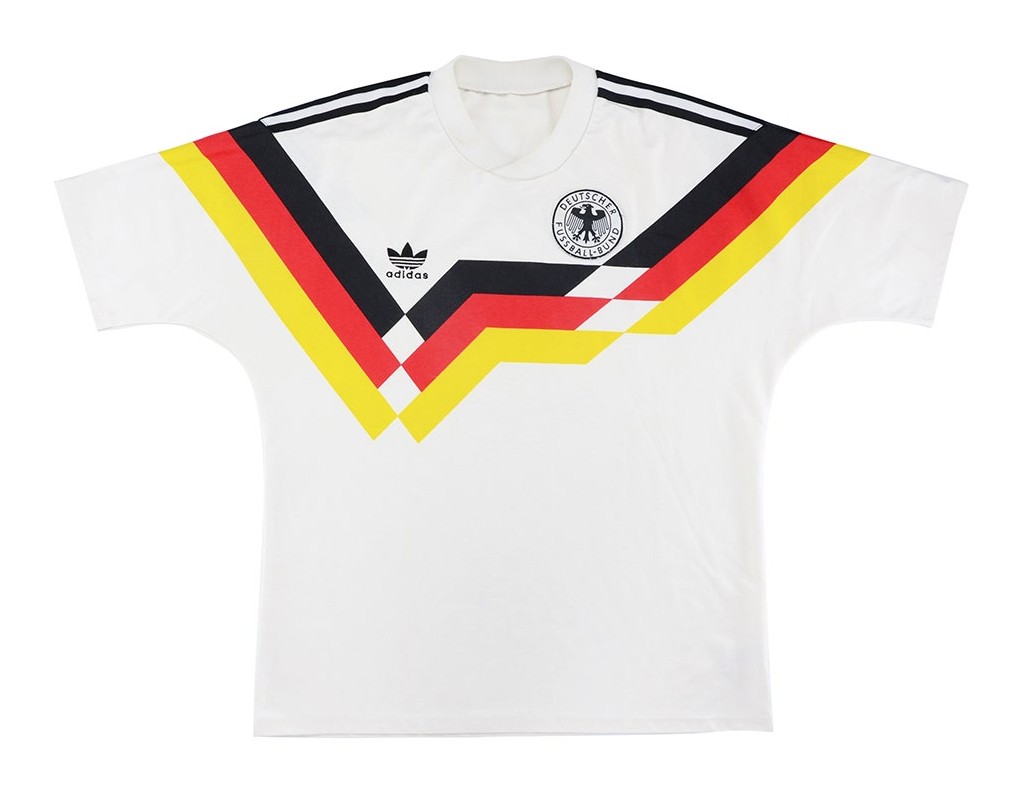
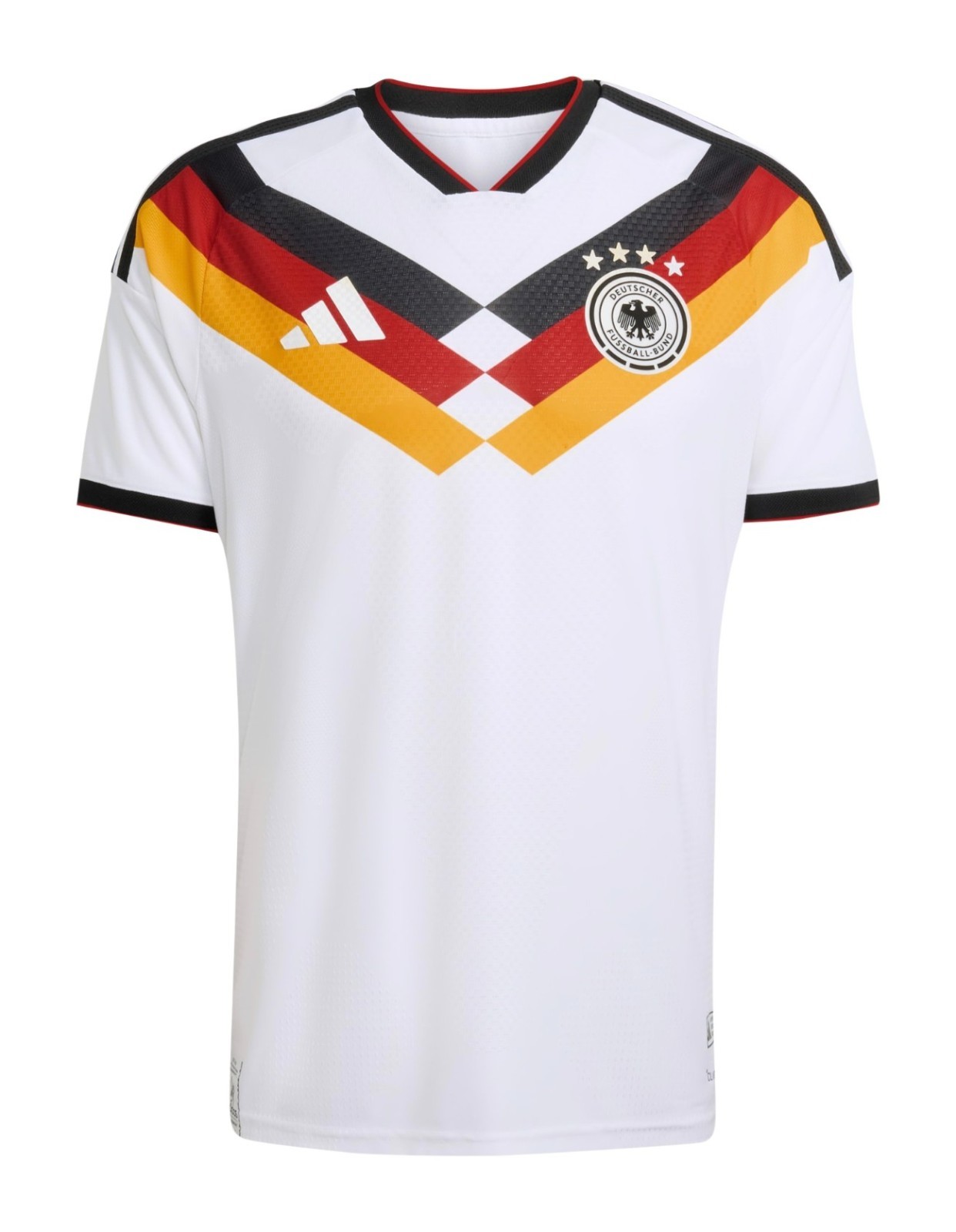
White with a bold black, red and yellow graphic band running horizontally across the chest and shoulders — the German flag colours in full — one of adidas's most distinctive late-Trefoil designs. West Germany defeat Argentina in the Rome final. Lothar Matthäus is the tournament's best player. The shirt captures an era.
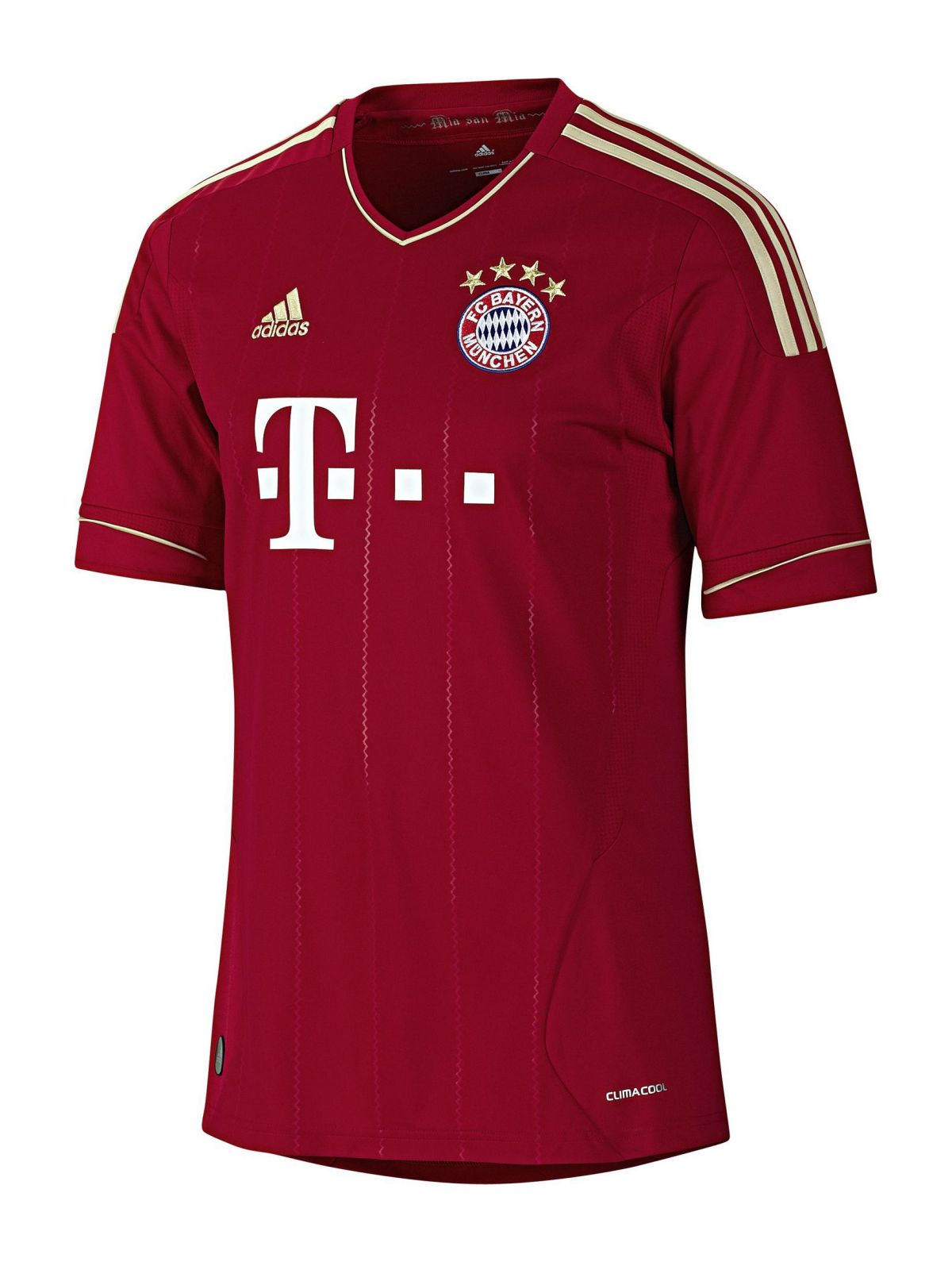
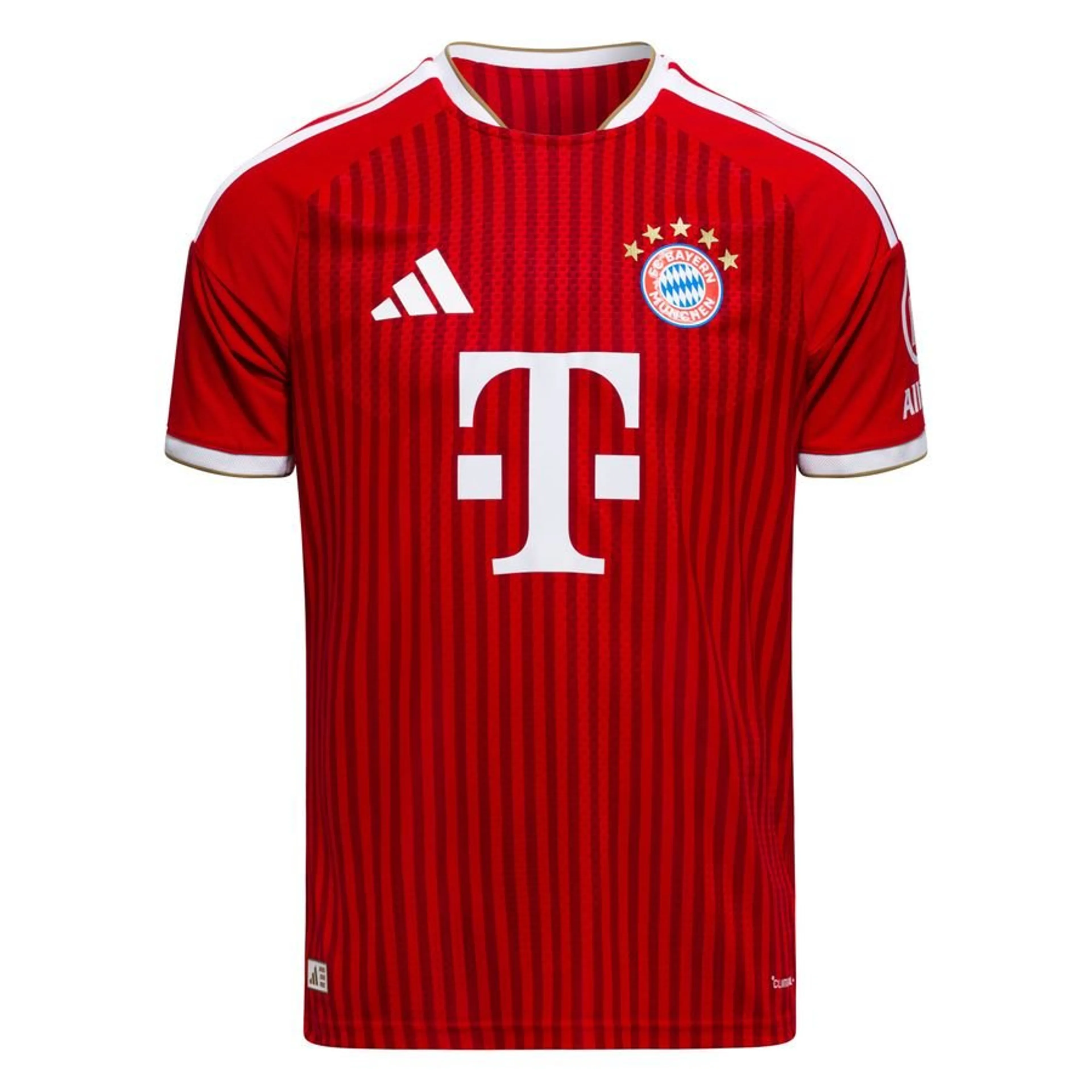
Bayern München win the treble — Bundesliga, DFB-Pokal and Champions League — defeating Borussia Dortmund 2–1 at Wembley. Arjen Robben scores the winner in the 89th minute. An all-German final settled in regular time. Robben, Ribéry, Neuer. A domestic-final UCL in the adidas heartland.
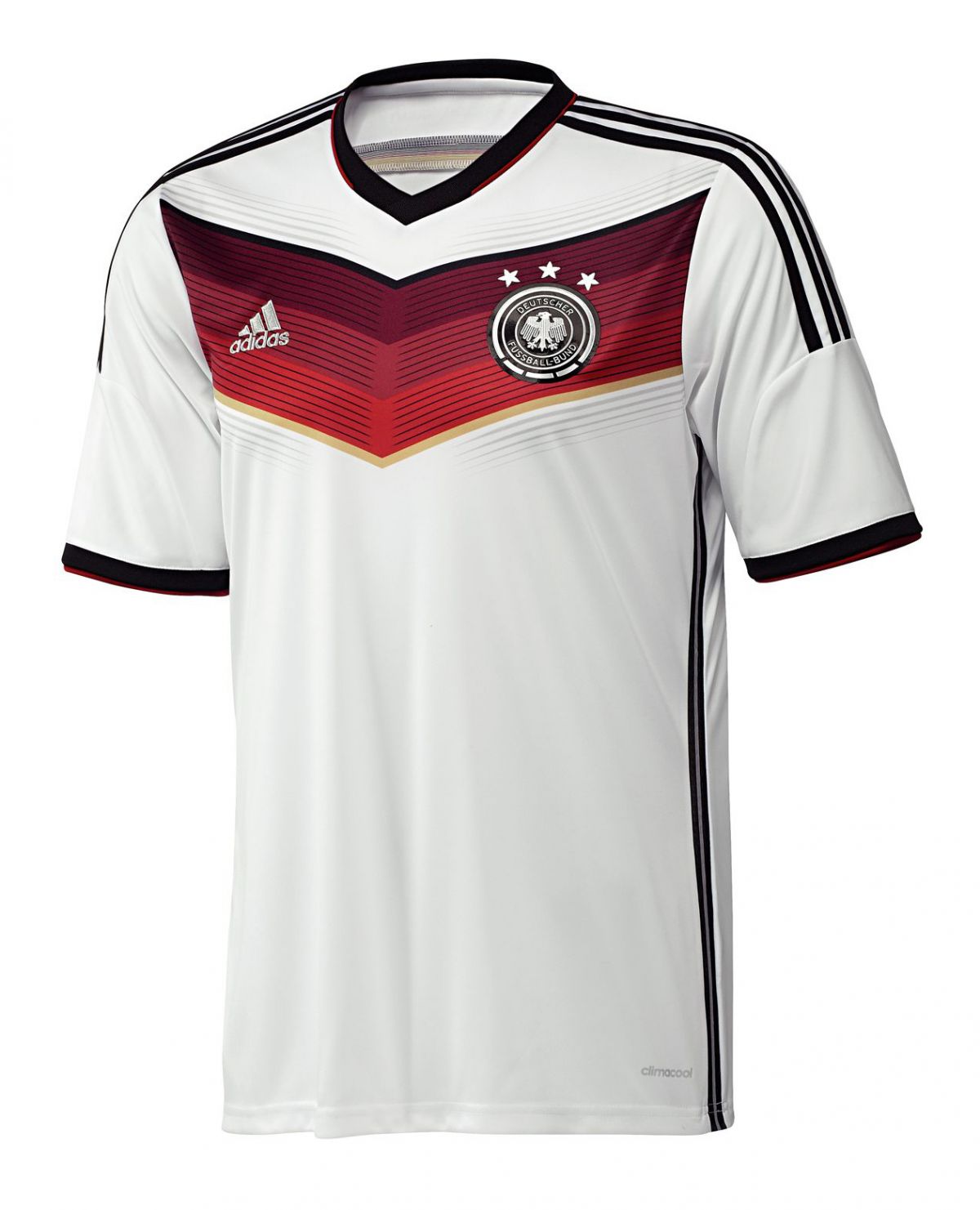
The tournament shirt worn when Germany beat Brazil 7–1 in the semi-final and defeated Argentina in the final. Mario Götze scores in extra time. A minimalist white design with subtle graphic collar that collectors consistently rate among adidas's best.
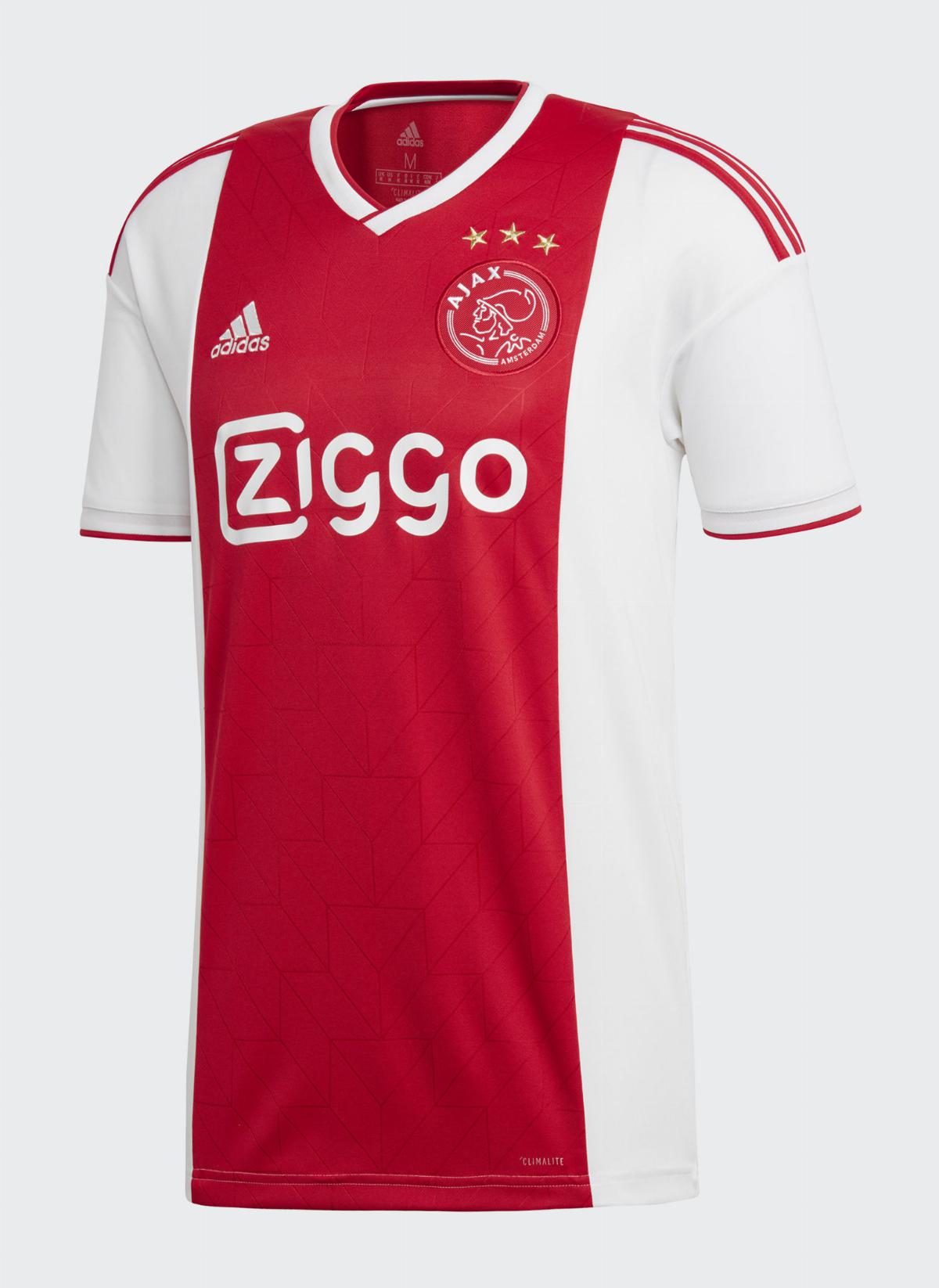
A young Ajax side — de Ligt, de Jong, Ziyech, Tadic — reach the Champions League semi-finals and knock out Real Madrid and Juventus along the way. The iconic red and white vertical stripe in classic adidas construction. One of the most worn replica shirts of that season.
Featured in
Kit-release
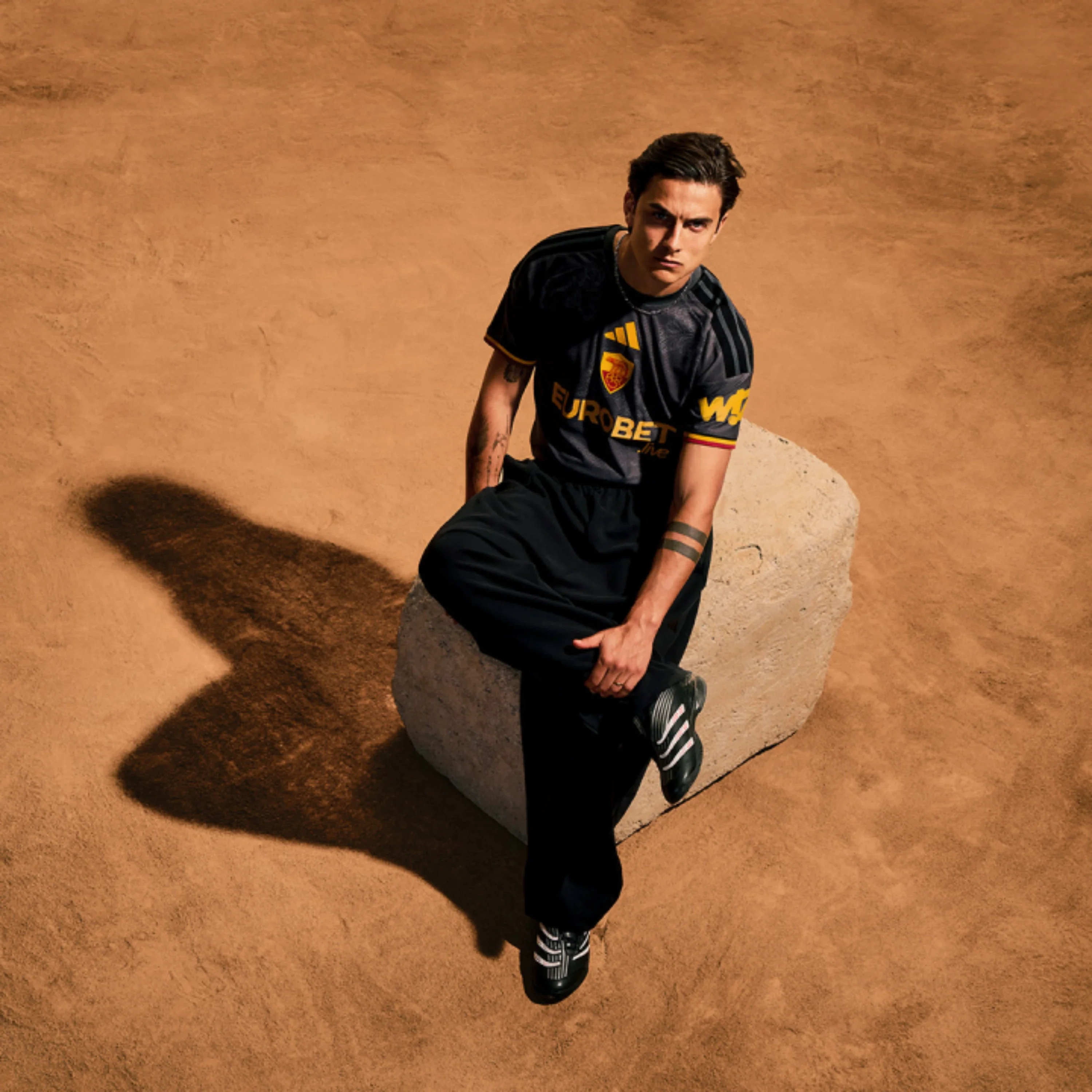
AS Roma 2026-27 third kit by adidas: dark grey with a rallying cry
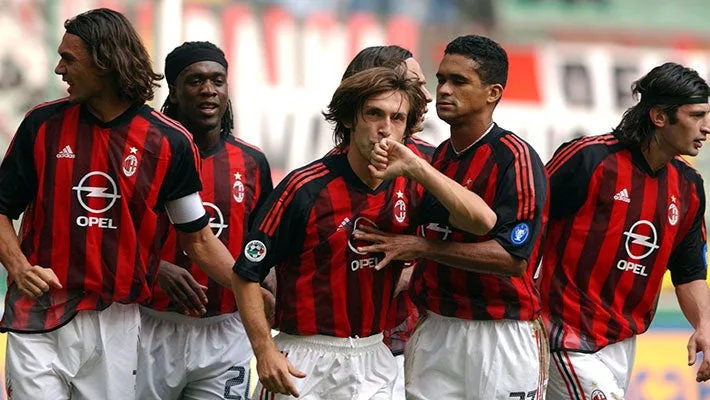
Retro
Story behind the shirt: AC Milan 2002/03 home kit
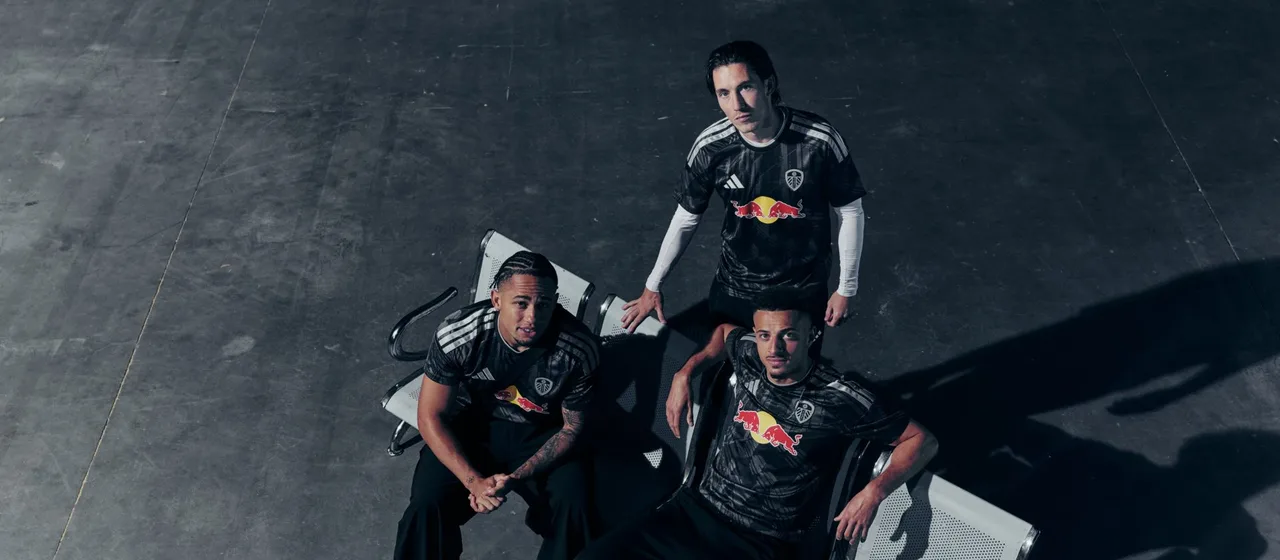
Kit-release
Leeds United's 2026/27 adidas third kit marks 400 years of the city's Royal Charter
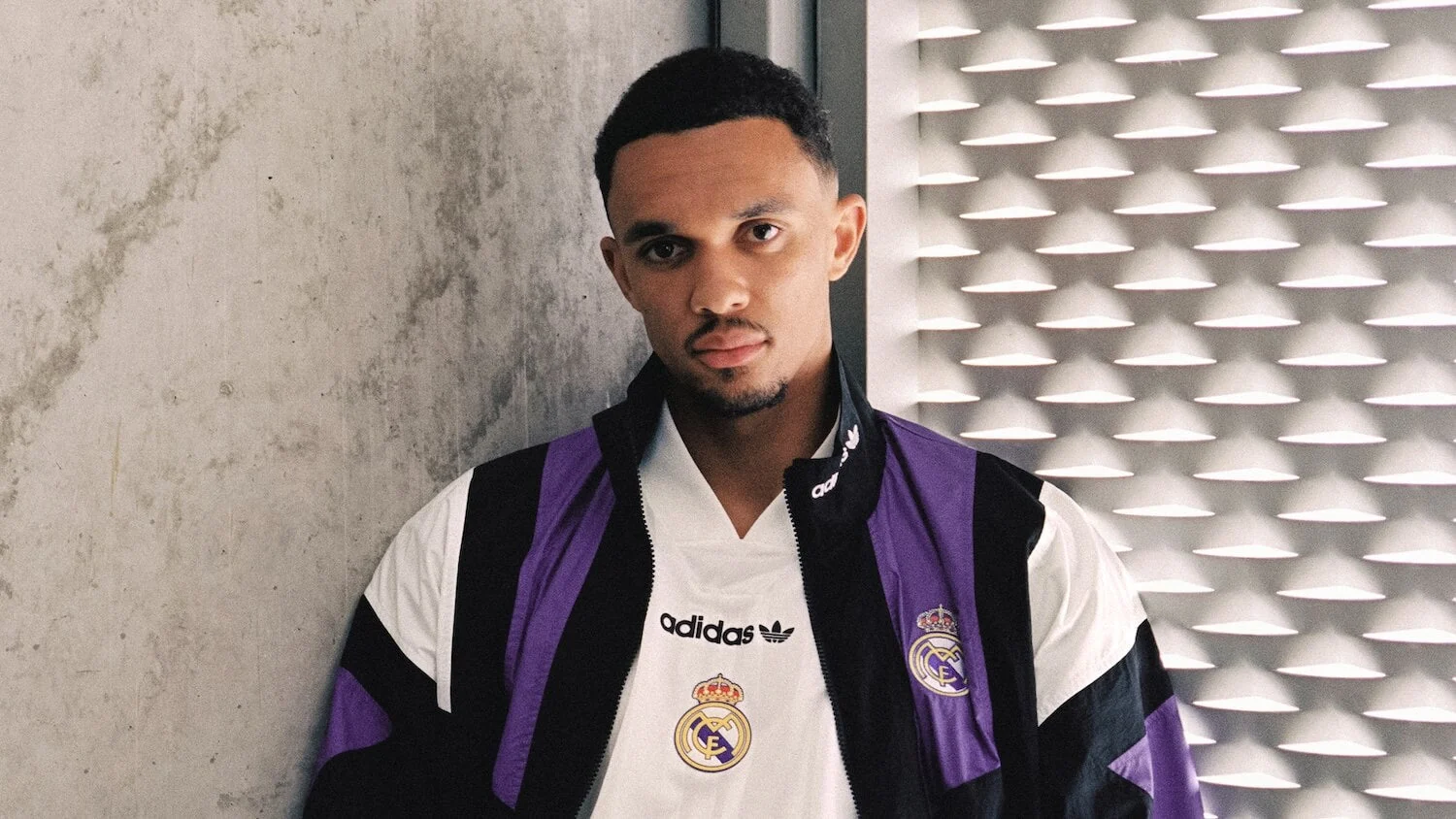
Kit-release
adidas turns back the clock with a Real Madrid EQT retro collection for 2026/27
Logo evolution
adidas has used three distinct logo marks across its history. The logo on a shirt is the single most reliable way to date an adidas kit. Collectors refer to shirts by their logo era: Trefoil, Equipment, or Performance.
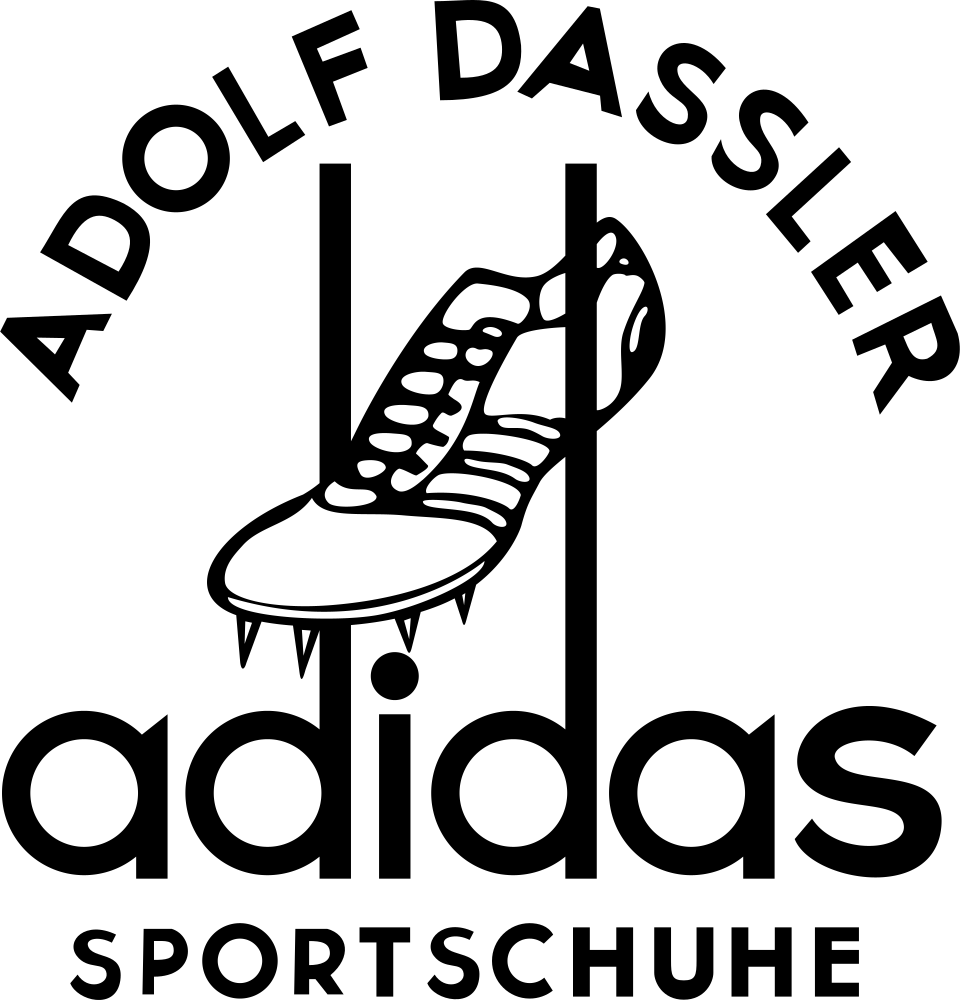
Founding mark
1948 – 1950
Original wordmark

Three Stripes era
1950 – 1971
Wordmark + stripes
Trefoil
1971 – 1991
Football kit standard
Performance
1991 – now
Three bars (mountain)